
.png)
Best Time of Year for Chimney Sweeping
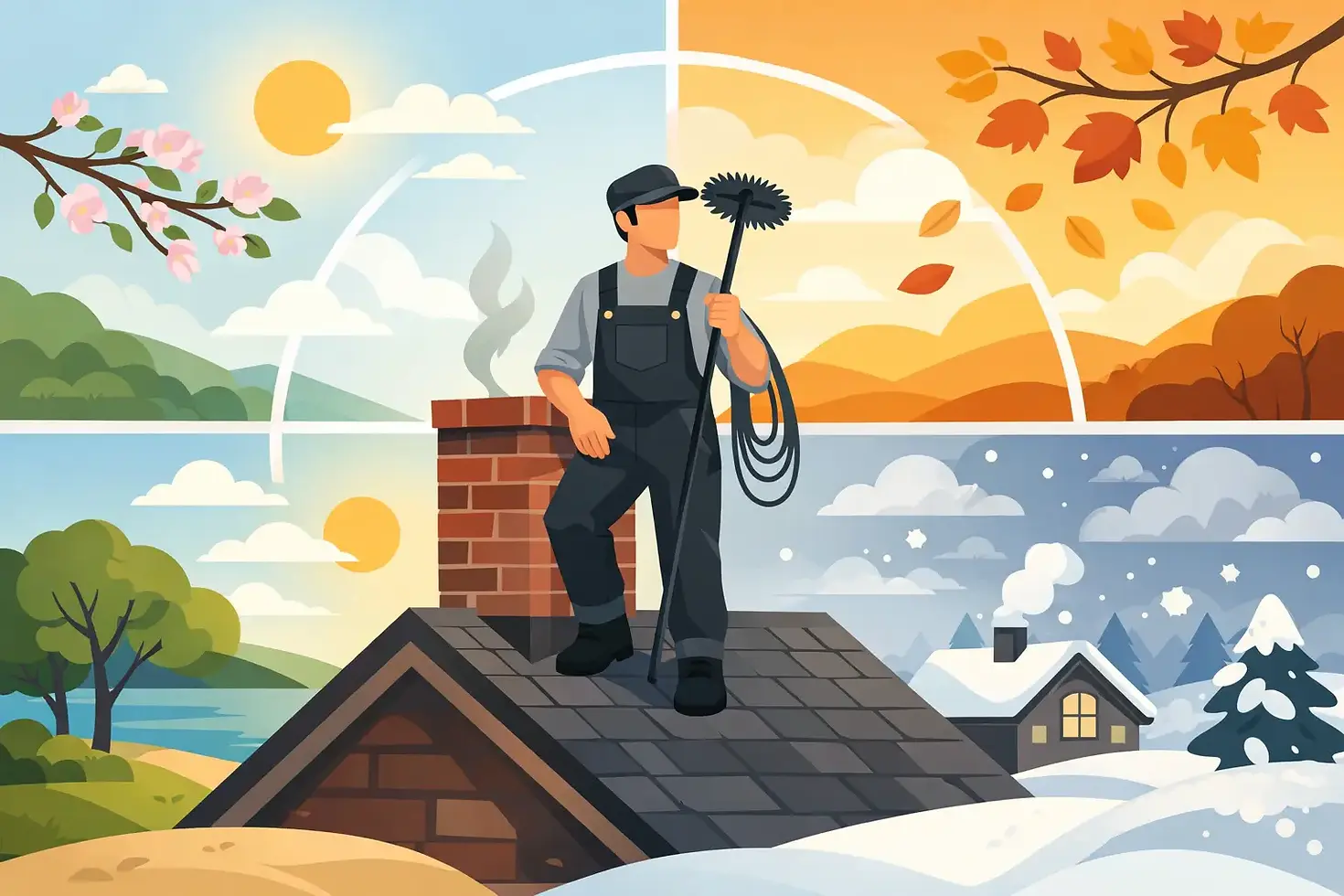
The first cold evening of autumn is when many people realise they should have booked their chimney sweep weeks earlier. The fire gets lit, the stove is back in use, and suddenly there is a nagging question about whether everything is clean, safe and ready. If you are wondering about the best time of year for chimney sweeping, the short answer is usually spring or summer - but the right timing can depend on how often you use your fire and what kind of appliance you have.
For most households, the best time to arrange a sweep is after the main heating season has finished and before the autumn rush begins. That gives you more flexibility with appointments, and it means your chimney is cleaned well before you need to rely on it again. Just as importantly, it helps deal with soot, debris and any blockages before they sit in the flue for months.
Why the best time of year for chimney sweeping is often spring or summer
Once the weather starts to warm up and the stove or open fire is being used less, it makes sense to get the chimney checked and swept. Soot and tar left sitting in the flue over the warmer months can produce stale odours, especially in damp or humid conditions. If there is any nesting material, loose debris or early signs of a problem, you are more likely to catch it before the colder months return.
There is also a practical reason. Autumn is one of the busiest times of year for chimney sweeps. People quite understandably want everything sorted before they light their first fire, but that means appointment slots can fill quickly. Booking in spring or summer usually gives you more choice and less pressure.
For homeowners in Somerset, Dorset and Devon, this can be especially useful in older properties, cottages and rural homes where chimneys often work hard through the colder months. A little forward planning can save a lot of stress later on.
What happens if you leave it until autumn?
Autumn is not a bad time to have your chimney swept. In fact, plenty of people do exactly that, and if your chimney is due, it is far better to book in autumn than to keep putting it off. A professional sweep can still make sure your flue is clear, your appliance is operating safely and any obvious issues are picked up before regular use begins.
The downside is mainly availability. As soon as the temperatures drop, demand rises. If you wait until the first chilly week in September or October, you may have fewer appointment options and a longer wait.
There is also the risk that a problem turns up at the worst moment. If a bird's nest, blockage or damaged flue lining is found just as you are hoping to start using your fire again, you may be left without it until the issue is dealt with. That is why earlier is often easier.
Timing depends on how you use your chimney
Not every household uses their chimney in the same way, so the best time of year for chimney sweeping is not identical for everyone.
If you use a wood burner or multi-fuel stove daily through autumn and winter, annual sweeping is usually the minimum most homeowners should plan for. In heavier-use homes, especially where solid fuel is burned regularly, more frequent sweeping may be sensible.
If you only light an open fire occasionally, once a year may still be enough, but the timing can be more flexible. Many people with decorative or occasional-use fireplaces prefer a late summer appointment so everything is fresh and ready ahead of winter.
If you have just moved into a property and are not sure when the chimney was last swept, the best time is now. It is not worth guessing. Before using any fireplace or stove, it is sensible to have the chimney professionally checked and cleaned.
Why spring sweeping has a few extra advantages
Spring is often the sweet spot. Your fireplace has just come through its busiest period, so any soot deposits, bird activity or combustion residue can be dealt with promptly. This reduces the chance of smells developing over summer and means the chimney is left in good condition for the months ahead.
It can also make routine maintenance easier to manage. If a CCTV survey, bird's nest removal or further chimney care is needed, there is usually more time to organise it without the pressure of cold weather arriving.
For households that like to stay on top of home maintenance, spring sweeping fits neatly with other seasonal jobs. Gutters get checked, gardens are tidied, and the chimney can be dealt with at the same time rather than becoming an urgent autumn task.
Summer is ideal if you want to stay ahead
Summer works well for homeowners who prefer to get practical jobs done early. It is often easier to remember when the chimney is not in use, and there is no temptation to squeeze in one more fire before booking.
A summer sweep also gives peace of mind. When the evenings turn colder again, your appliance is ready to use without any last-minute worries. That is especially helpful for busy family homes or anyone who depends on a stove as an important source of heat.
The only slight drawback is that if your chimney sits unused for a long period after sweeping, it is still worth keeping an eye out for signs of bird activity before autumn. Nests can appear quickly in some locations, particularly in rural areas.
Signs you should not wait for the "right" season
While spring and summer are often best, there are times when the calendar matters less than the condition of the chimney. If you notice soot falling into the fireplace, smoke entering the room, strong smoky smells, poor draw, or signs that birds may be nesting, it is time to get it checked.
The same applies if your stove is not burning as cleanly as usual or if you have bought a house with a fireplace history you do not know. A chimney should never be used on the assumption that it is probably fine.
Regular sweeping is about more than tidiness. It helps reduce the risk of chimney fires, keeps the flue clear and supports safer operation of your fire or stove. That is why timing matters, but staying overdue matters more.
How often should a chimney be swept?
This depends on the fuel you burn and how frequently you use the appliance. Wood burners, multi-fuel stoves, open fires and occasionally used chimneys can all have different maintenance needs. The safest approach is to ask a qualified sweep based on your setup and usage.
As a general rule, chimneys that are used regularly should be swept at least once a year, and sometimes more often. Burning unseasoned wood, heavy use through winter, or older chimney systems can all increase the need for cleaning.
A professional sweep will usually be able to spot whether your chimney is simply due routine maintenance or whether something else needs attention. That might include a blockage, nesting material or signs that a closer inspection would be wise.
Choosing the best time to book locally
In practice, the best booking window is the one that keeps you ahead of demand and avoids long gaps between sweeps. For many homes, that means booking as winter ends or during the summer months. If you like to plan ahead, it can help to book your next appointment as soon as the current one is done.
That simple habit takes the guesswork out of it. You are less likely to forget, less likely to be caught in the autumn rush, and more likely to keep your chimney in steady, safe condition year after year.
At Three Counties Sweeps, that is often the advice we give householders across Somerset, Dorset and Devon - do not wait until the first cold snap if you can help it. A clean, well-maintained chimney is one of those jobs that is easiest when it is planned before it becomes urgent.
If you only remember in autumn, book then. If you have any sign of a problem, book now. But if you want the easiest answer to the question, the best time of year for chimney sweeping is usually spring or summer, when there is time to sort it properly and head into winter with one less thing on your mind.


Comments