
.png)

How Often Should You Sweep Your Chimney?
You usually only think about your chimney when something starts to feel off - the fire is not drawing properly, there is a smoky smell in the room, or soot starts appearing where it should not. That is often when people ask, how often should you sweep your chimney? The short answer is at least once a year for many homes, but the right timing depends on what you burn, how often you use it, and the condition of the flue.
If you use a wood burner or open fire regularly through autumn and winter, leaving it too long between sweeps can lead to soot build-up, blockages and a higher fire risk. A chimney that looks fine from the outside can still be dirty or restricted inside. Regular sweeping is one of those jobs that is easy to put off, but it makes a real difference to safety, performance and peace of mind.
How often should you sweep your chimney in the UK?
For most households, once a year is the minimum sensible starting point. That works well for chimneys that are used moderately and properly maintained. But not every fireplace or stove is used in the same way, so a fixed rule does not always tell the full story.
If you burn wood regularly, especially through the colder months, your chimney may need sweeping more often. Many solid fuel appliances benefit from sweeping every six months, particularly if they are in frequent use. Smokeless fuels can still leave deposits, and open fires often produce more soot than people expect.
A practical way to think about it is this: the more often you light the fire, the more often the chimney needs attention. A stove used a few weekends over winter is very different from one heating the house most evenings from October to March.
The right sweeping schedule for different fuels
What you burn has a big effect on how quickly deposits build up inside the flue. That is why one home may be fine with an annual sweep, while another really needs two visits a year.
Wood-burning stoves
If you use a wood burner regularly, once every six months is often the safest interval. Wood can create creosote and tar deposits, especially if logs are not properly seasoned or the stove is being run too low. Those deposits are one of the main causes of chimney fires.
Even when the stove seems to be working well, build-up can still be happening gradually. Sweeping before and after the main heating season can help keep things running cleanly.
Open fires
Open fires usually need at least one annual sweep, and more frequent sweeping if they are used often. They can produce a lot of soot, and because they are more exposed, they are also more likely to attract debris or bird activity in the flue.
If you burn a mix of wood and coal on an open fire, it is worth asking your sweep what schedule suits your setup rather than relying on a general rule.
Smokeless fuel and coal
These fuels can still create deposits, just of a different kind. An annual sweep may be enough for lighter use, but regular use may call for more frequent cleaning. The flue condition, appliance type and burning habits all matter.
Occasional use fireplaces
If your chimney is rarely used, that does not always mean it can be ignored. Birds can nest in unused flues, old soot can hold moisture, and long gaps between checks can allow small issues to go unnoticed. Even occasional-use chimneys benefit from periodic sweeping and inspection.
Signs your chimney needs sweeping sooner
Sometimes the calendar says one thing, but the chimney says another. If you notice any of the following, it is sensible to get it checked sooner rather than later.
A smoky smell in the room, especially after rain or when the fire is not lit, can point to soot build-up or airflow issues. If smoke spills back into the room when you light the fire, the flue may be partially blocked. Bits of soot falling into the fireplace, poor draw, or a fire that is harder to keep going can also be warning signs.
You might also notice black staining around the fireplace opening or hear birds or debris inside the chimney. None of these signs automatically mean a serious problem, but they do mean it is time to stop guessing and get the chimney looked at properly.
Why regular chimney sweeping matters
The biggest reason is safety. Soot, tar and creosote are all combustible, and if enough builds up inside the flue, a chimney fire can start. That is not something most homeowners see coming. Often, the chimney has simply gone too long without proper cleaning.
There is also the issue of fumes. A blocked or restricted chimney can stop smoke and gases venting as they should. That affects how well your fire burns and can increase the risk of carbon monoxide problems.
Then there is the practical side. A clean chimney generally helps your stove or fire burn more efficiently, draw better and create less mess indoors. It can also help spot other issues early, such as loose liners, damaged pots, nesting birds or signs of moisture trouble.
How often should you sweep your chimney if you burn wood every day?
If your stove is part of your everyday heating through winter, once a year is unlikely to be enough. In many cases, every six months is the better approach, and in heavy-use homes it can be worth discussing an even more tailored schedule.
Daily burning creates more residue, but the type of wood matters too. Wet or unseasoned logs tend to create more tar and smoke, which means faster build-up in the flue. Burning seasoned wood with the right moisture content helps, but it does not remove the need for regular sweeping.
The way the appliance is operated matters as well. Slumbering a stove for long periods may seem economical, but cooler burning can encourage deposits to form. Good burning habits and regular chimney care work best together.
Season matters more than many people realise
A lot of homeowners book a sweep in early autumn, just before the fire gets used again. That makes sense, especially if the chimney has sat unused through summer and may have picked up debris or bird activity.
Spring can also be a smart time. Sweeping after winter use removes soot and residue before warmer weather and moisture have a chance to create smells or staining. If your appliance is heavily used, one visit in spring and another in autumn is often the most sensible routine.
There is no single perfect month. The best time is the one that fits how you actually use your stove or fire.
What happens during a professional chimney sweep
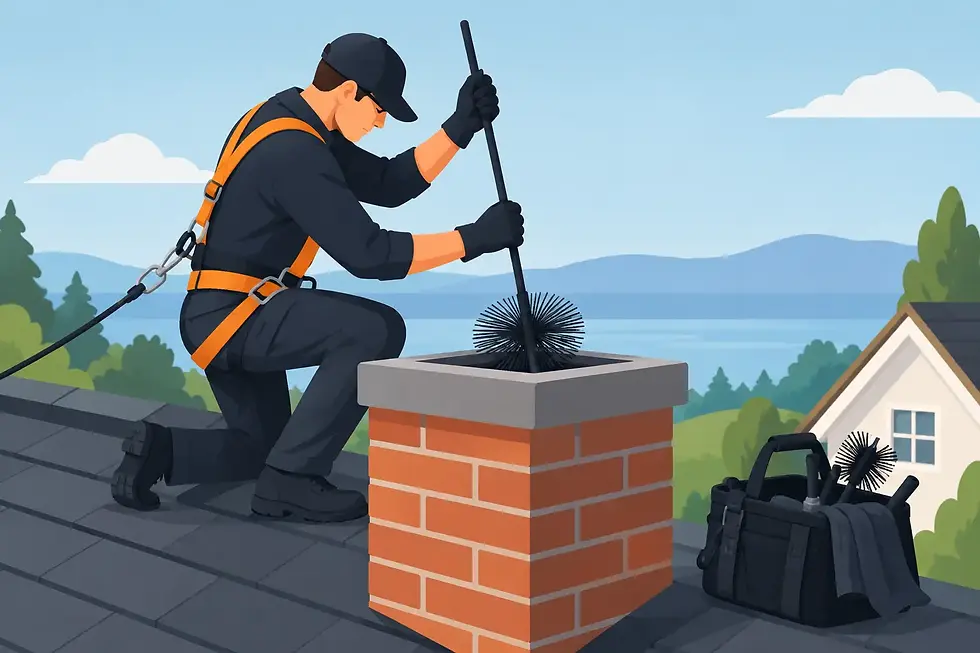
A proper chimney sweep is not just about brushing soot away. A good visit should also help you understand the condition of the flue and whether anything needs attention.
In a domestic setting, the job should be carried out cleanly and with respect for your home. Modern brush and vacuum sweeping keeps mess to a minimum, and in some cases power sweeping may be the right option depending on the appliance and flue. If there are concerns about blockages, damage or performance, a CCTV chimney survey can give a clearer picture.
This is often where the value of using a professional really shows. It is not only about getting the chimney clean. It is about spotting the issues that homeowners cannot easily see from the fireplace opening.
Is DIY chimney sweeping enough?
For most people, no. DIY kits exist, but they rarely give the same result as a professional clean and inspection. More importantly, they can give a false sense of security.
A chimney may appear clear and still have stubborn deposits, partial blockages or defects further up the flue. Different liners and appliances need the right equipment and technique. If the job is done badly, you may miss the very problems that needed attention in the first place.
For householders who want the reassurance that the chimney is clean, safe and checked properly, professional sweeping is the better choice.
The simplest answer
So, how often should you sweep your chimney? For many homes, at least once a year. For regularly used wood burners and solid fuel appliances, every six months is often the safer and more practical choice. If the chimney is showing signs of poor performance, unusual smells or blockage, it should be checked sooner.
Every home is a bit different. A modern stove in a newer property will not behave exactly like an open fire in an older cottage. The best approach is to match the sweeping schedule to your fuel, your usage and the condition of the flue. If you are not sure, asking a trusted local sweep is far better than waiting until the chimney starts telling you there is a problem.


Comments