
.png)

A Guide to Safe Wood Burner Use
- plamb10
- Jun 13
- 6 min read
The first time a stove fills a room with smoke or leaves the glass black after one evening, most homeowners realise the same thing - a wood burner is simple to enjoy, but not always simple to use well. This guide to safe wood burner use is here to keep things straightforward, so you can heat your home efficiently without risking chimney fires, fumes or avoidable damage.
A wood burner should feel reliable. You light it, it burns cleanly, the room warms up, and everything works as it should. When it does not, the cause is often basic rather than dramatic: the wrong fuel, poor airflow, neglected sweeping, or a chimney that is starting to struggle. Safe use is mostly about good habits.
Why safe wood burner use matters
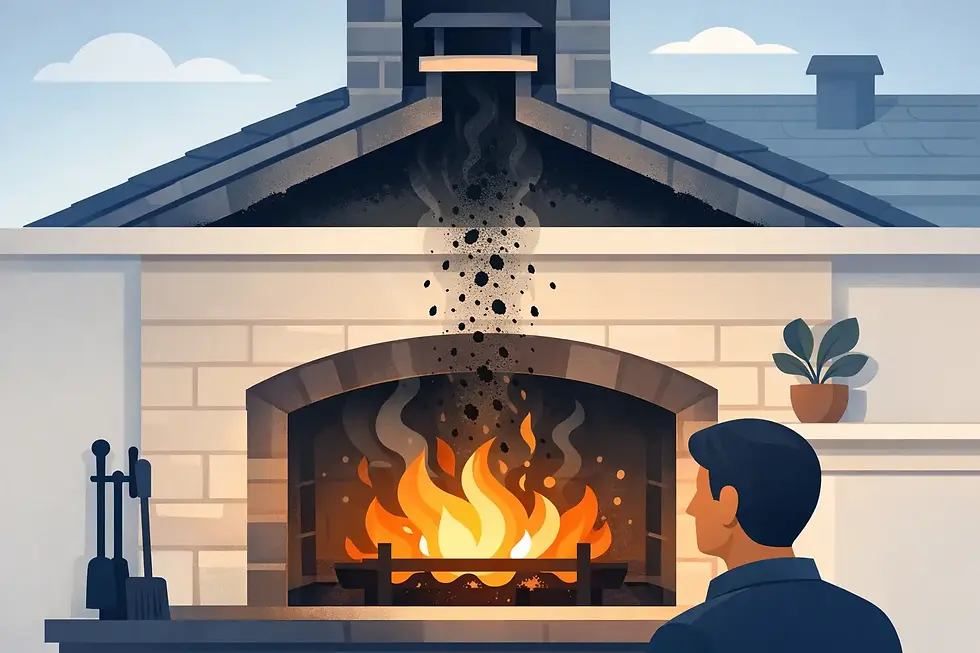
A stove that appears to be working can still be causing problems in the background. Soot and tar deposits build up gradually inside the flue. Damp or unsuitable fuel burns cooler and dirtier than people expect. Air vents get closed too far in an effort to make logs last longer, and the fire starts to smoulder instead of burn properly.
That is when you see the warning signs: dark smoke, strong smells, excess soot, blackened stove glass and poor draw. Left alone, those issues can increase the risk of chimney fires and carbon monoxide entering the home. Safe use is not about being nervous around your stove. It is about understanding what normal looks like and acting early when something changes.
Guide to safe wood burner use at home
The safest stove users tend to do the ordinary things well. They burn the right fuel, let the fire get enough air, keep the appliance maintained and have the chimney swept regularly. None of that is complicated, but each part matters.
Burn only the right wood
Your stove manual should always come first, but as a general rule you want properly seasoned or kiln-dried logs with low moisture content. Wet wood wastes heat because the fire uses energy to drive out water before the fuel can burn efficiently. It also creates more smoke and more deposits inside the flue.
If logs hiss, spit excessively or leave the glass dirty very quickly, moisture is often part of the problem. Wood should be stored somewhere dry and ventilated, not wrapped up so tightly that damp gets trapped. A log store with airflow is usually far better than a heap under a tarp on wet ground.
Treated timber, painted wood, old furniture and general household rubbish should never go into a wood burner. They can release harmful fumes, damage the appliance and create heavy deposits in the chimney. A stove is not an incinerator, even if it looks capable of burning almost anything.
Get the fire hot enough, soon enough
One of the most common mistakes is trying to run a stove too slowly from the beginning. A small, struggling fire produces more smoke and leaves more residue behind than a fire that gets up to proper operating temperature. When lighting the stove, use suitable kindling and enough flame to establish a clean burn quickly.
Once the fire is established, adjust the controls according to the appliance instructions rather than shutting the air down too early. There is always a balance to strike. You do not want to waste fuel, but you also do not want a lazy, smoky burn that coats the flue.
If your stove spends most of its life slumbering overnight or ticking over very low, deposits will usually build faster. That does not mean every home should run a roaring fire all the time. It means your stove needs periods of proper combustion to stay cleaner and safer.
Learn what the air controls actually do
Many households use the controls by guesswork. That is understandable, especially if you have moved into a property with an existing stove. But a little familiarity makes a big difference.
The main purpose of the air controls is to support combustion. Too much air and the fire may burn too quickly. Too little and it can smoulder, smoke and create soot. Different stoves respond in different ways, so it is worth spending time with the manufacturer guidance and noticing how your own appliance behaves.
If smoke spills into the room when you refuel, avoid swinging the door wide open immediately. Opening the air controls for a short while before opening the door can help strengthen draw. Small changes in technique often solve problems that people assume are serious faults.
Keep the chimney and stove maintained
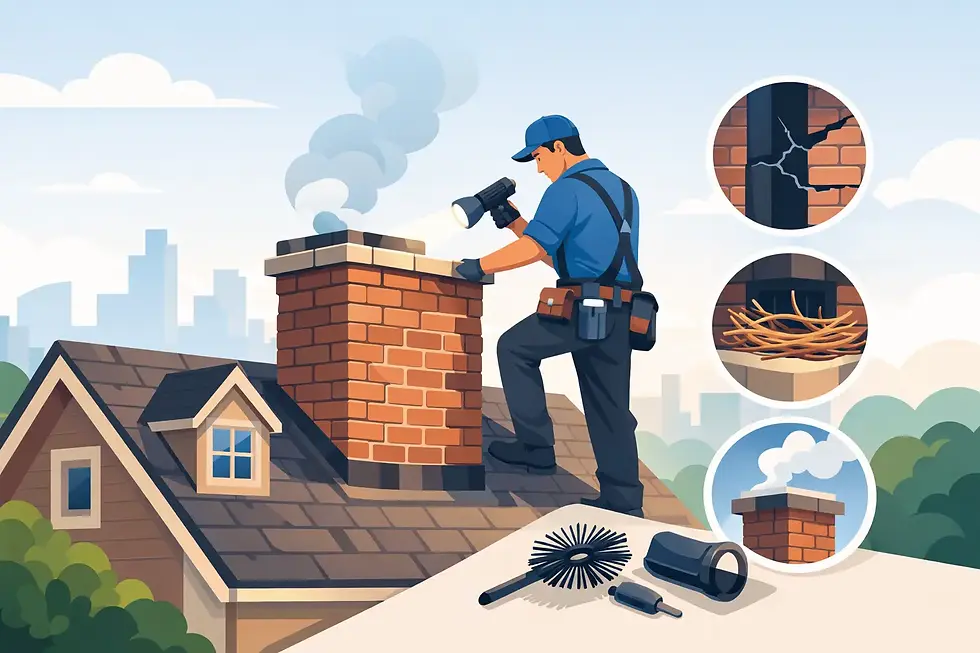
Even the best burning habits do not remove the need for routine sweeping and inspection. Chimneys collect soot, and wood burners create deposits over time. If birds have nested in the flue, if masonry is shedding internally, or if the liner is deteriorating, the stove may become unsafe regardless of how carefully you use it.
A professional sweep does more than remove soot. It gives you a clearer picture of how the chimney is performing and whether there are early signs of trouble. That matters in older cottages, period homes and rural properties especially, where chimney history is not always obvious.
For many households, an annual sweep is the baseline. If you use your stove heavily through autumn and winter, you may need it more often. The right frequency depends on usage, fuel quality and the way the appliance is operated. This is one of those areas where it depends, and a good sweep will tell you what is sensible rather than simply guessing.
You should also keep an eye on the stove itself. Rope seals wear out, fire bricks crack, baffle plates can shift or deteriorate, and door glass may become damaged. These are not always urgent emergencies, but they should not be ignored.
Warning signs you should never brush off
Some stove problems are inconvenient. Others are genuine safety concerns. If you notice a persistent smoky smell, difficulty getting the fire to draw, smoke entering the room, unusually fast soot build-up, or loud roaring from the chimney, stop and take it seriously.
A roaring sound from the flue can indicate a chimney fire. If that happens, follow fire service guidance, get everyone safe and do not use the appliance again until it has been properly checked. Even a short chimney fire can damage liners and internal structures in ways that are not visible from the hearth.
Carbon monoxide is another serious risk because you cannot see or smell it reliably. Every home with a wood burner should have a suitable carbon monoxide alarm fitted in the correct position and tested regularly. The alarm is not a substitute for maintenance, but it is an essential layer of protection.
Condensation, staining around the chimney breast, tar seepage or persistent unpleasant odours can also point to flue issues. Sometimes the cause is usage, sometimes the chimney needs attention, and sometimes both are involved. The important part is not to keep using the stove in the hope that the problem will sort itself out.
Everyday habits that make wood burner use safer
A few small routines make a noticeable difference over the season. Empty ash sensibly, but do not assume it is cold just because it looks grey. Ash can retain heat far longer than people expect, so use a metal container and keep it on a non-combustible surface.
Keep combustible items well away from the stove. That includes logs, baskets, rugs, kindling, drying clothes and decorative items on the hearth. Many near misses happen not because the stove failed, but because something was placed too close for convenience.
Use the right fireplace tools and a proper glove when refuelling. It sounds obvious, but safe use is also about avoiding hurried decisions when the stove is hot. If children or pets are in the home, a fire guard is often a sensible extra precaution.
It also helps to pay attention to changes in performance over time. If the stove used to light easily and now does not, or if the room starts smelling different, that is useful information. Good maintenance often starts with the homeowner noticing that something has shifted.
When to call in a professional
If you are unsure whether your stove is safe, get it checked. That applies after a chimney fire, after bird activity in the pot, after long periods without sweeping, or when a stove starts behaving differently for no clear reason. Professional advice is especially worthwhile when you have moved into a new property and do not know the chimney's history.
A trusted sweep should be able to explain things in plain English, leave your home clean and tell you honestly whether the issue is simple maintenance or something that needs further investigation. That straightforward approach matters. Most homeowners do not want technical jargon. They want to know whether their fire is safe to use and what needs doing next.
At Three Counties Sweeps, that is exactly how we see it. The aim is not to alarm people. It is to give households clear, practical help so they can enjoy their stove with confidence.
A wood burner should add comfort to your home, not uncertainty. If you treat it with a bit of respect, use the right fuel and keep the chimney properly maintained, it will usually reward you with the kind of steady, dependable heat that made you want one in the first place.

Comments