
.png)

Brush and Vacuum Chimney Sweeping Explained
- plamb10
- Jun 3
- 6 min read
A chimney sweep should leave your flue cleaner, your home tidy and your mind at rest. That is exactly why brush and vacuum chimney sweeping remains the method most homeowners know and trust. It is a straightforward, effective way to remove soot, light tar deposits and everyday debris from chimneys serving open fires, wood burners and many solid fuel appliances, without turning the sitting room into a dust cloud.
For many households, the main concern is not the technical detail. It is whether the job will be done properly, whether soot will go everywhere, and whether any warning signs will be picked up before they become a bigger problem. Fair questions. A good sweep is not just about cleaning - it is about safety, cleanliness and having a professional in your home who treats it with respect.
What brush and vacuum chimney sweeping actually means
At its simplest, brush and vacuum chimney sweeping uses specialist rods and brushes to loosen soot and debris inside the chimney or flue, while a professional vacuum controls the fallout and keeps mess to a minimum. It is the traditional sweeping method, but done with modern equipment and a much cleaner finish than people often imagine.
The brush is chosen to suit the size, shape and lining of the flue. That matters more than many people realise. A chimney serving an older open fireplace may need a different approach from a lined flue connected to a wood-burning stove. Using the right brush helps remove build-up effectively without being too aggressive for the chimney.
The vacuum is not an ordinary household machine. It is designed to handle fine soot safely and contain dust during the work. Combined with protective sheeting and careful set-up, it allows the sweep to work thoroughly while keeping your room clean and usable afterwards.
Why homeowners still choose brush and vacuum chimney sweeping
For routine maintenance, this method remains a sensible choice. It is reliable, widely suitable and well understood. If your chimney is in generally good order and the main issue is soot, ash, cobwebs or minor debris, brush and vacuum sweeping is often all that is needed.
It is also a practical option for households that want regular servicing without fuss. Most people are not looking for drama. They want someone to arrive when promised, carry out the work neatly, explain anything important in plain English and leave them feeling confident about lighting the fire again. This method lends itself well to that kind of straightforward service.
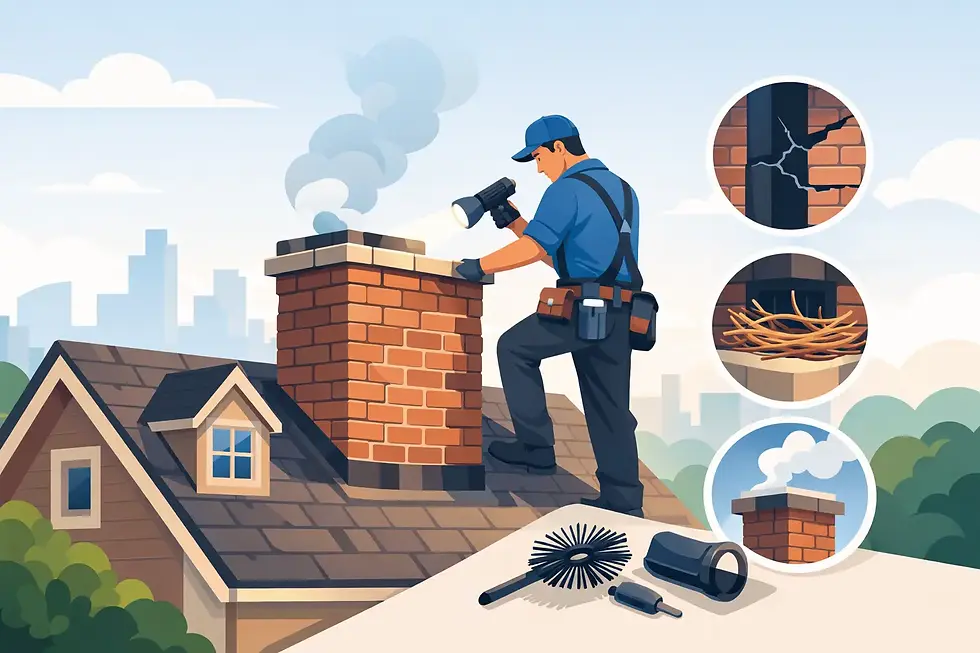
There is also value in the inspection element. While sweeping, an experienced professional can often spot signs that something is not quite right - bits of fallen masonry, evidence of bird activity, excessive tar build-up, a damaged pot or cowl, or signs that the appliance is not drawing as it should. Sweeping and checking go hand in hand.
When brush and vacuum sweeping is the right fit
Brush and vacuum chimney sweeping is commonly suitable for open fires, wood burners, multi-fuel stoves and some lined flue systems where the build-up is routine rather than severe. If you use your fire regularly through autumn and winter, annual sweeping is usually the minimum most homeowners should be thinking about, and some appliances may need more frequent attention depending on fuel type and use.
Burning seasoned wood helps, but it does not remove the need for sweeping. Even well-run stoves produce soot and deposits over time. Open fires can also collect fallen debris, particularly in older properties or chimneys that have not been used for a while.
If you have just moved into a house and do not know when the chimney was last swept, booking a clean and check is a sensible starting point. The same applies if you notice smoky smells, poor draw, soot falling into the hearth, or birds around the chimney pot. Those signs do not always mean a major problem, but they do mean it is worth getting the chimney looked at properly.
When another method may be better
This is where honesty matters. Brush and vacuum chimney sweeping is very effective for many jobs, but it is not the answer to every chimney problem.
If there is heavy glazed tar or creosote in the flue, a standard brush may not remove enough of it. In that case, power sweeping may be the better option. Power sweeping uses specialist rotating equipment that can be more effective on stubborn deposits, especially in certain stove flues.
Likewise, if there is a suspected blockage, a bird's nest, significant damage or concerns about the internal condition of the flue, extra work may be needed beyond a standard sweep. That could include nest removal or a CCTV chimney survey to see what is happening inside. The right approach depends on the age of the chimney, the type of appliance and what signs are showing before and during the visit.
A good sweep should tell you that clearly. Not every chimney needs the same treatment, and there is no sense pretending otherwise.
What happens during a brush and vacuum chimney sweeping visit
Most homeowners feel more comfortable when they know what to expect. The visit usually begins with a quick look at the fireplace, stove or appliance and a discussion about how it has been performing. If there have been smoke issues, odd smells or problems lighting the fire, that is useful information.
The area around the fireplace or stove is then protected carefully. Cleanliness matters in this kind of work, especially in family homes and furnished living spaces. Once everything is prepared, the sweep will use rods and the appropriate brush to clean through the flue, controlling soot with the vacuum as the debris is loosened and removed.
After sweeping, the fireplace or appliance area is cleaned down and checked. Depending on the chimney and the service being carried out, the sweep may also advise on any visible concerns, usage issues or whether a further inspection is worth considering. In many cases, the process is straightforward and efficient, with far less mess than people expect.
The real safety benefit
People often book a chimney sweep because the fire is due to be used again after summer, or because they know it is time. Both are good reasons. The bigger point is that a clean flue helps reduce fire risk and supports proper ventilation.
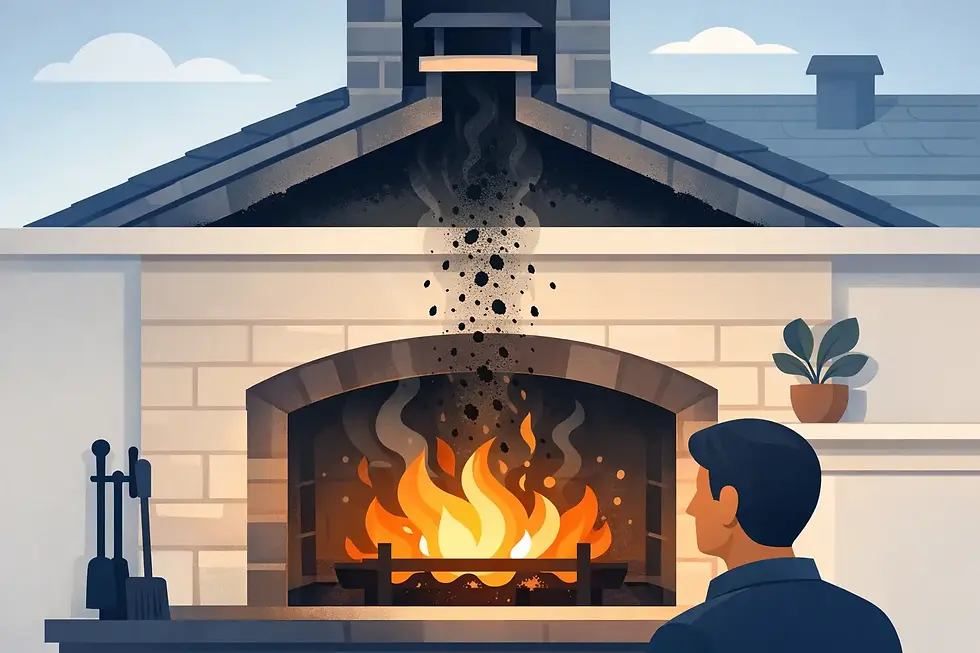
Soot and tar deposits can restrict the flue and increase the chance of chimney fires. Blockages can affect how smoke and gases leave the property. If a chimney is not drawing correctly, the problem is not only inconvenience - it can also become a safety issue.
That is why regular sweeping is part of sensible home maintenance, not an optional extra for people with older houses. Whether you have a cottage fireplace, a modern stove or a rarely used burner in a second reception room, the principle is the same. If it burns fuel and vents through a chimney, it needs proper care.
Choosing a chimney sweep you are happy to welcome in
The method matters, but so does the person doing the work. Most householders want a service that feels professional from first contact to finish. That means clear communication, turning up as arranged, working tidily and explaining things without jargon.
Credentials help too. Insurance, DBS checking and recognised industry membership all give reassurance, particularly when someone is working inside your home. So does a local reputation for reliability and respect. In a service like this, trust is not a small detail. It is part of the job.
At Three Counties Sweeps, that trust-led approach is central to how the service is delivered. For homeowners across Somerset, Dorset and Devon, the aim is simple - clean, safe chimney care carried out properly, with friendly service and real respect for your home.
Brush and vacuum chimney sweeping and regular maintenance
The best time to think about chimney sweeping is before there is a problem. Waiting until smoke starts blowing back into the room or the stove stops drawing properly can leave you needing a more urgent appointment at the busiest time of year.
Regular maintenance usually works out better. It keeps deposits under control, helps spot issues early and gives you confidence that your fire or stove is ready when you want to use it. It also means you are less likely to face avoidable repairs caused by neglect or long-term build-up.
If you are unsure what your chimney needs, that is normal. Most people are not expected to know whether a flue needs brush and vacuum sweeping, power sweeping or further investigation. What matters is having someone assess it honestly and recommend the service that fits.
A well-swept chimney does not draw attention to itself. It simply lets your fire burn as it should, without the soot, smells and uncertainty that come from putting the job off.

Comments