
.png)
Can Birds' Nests Block Chimneys? The Risks Explained
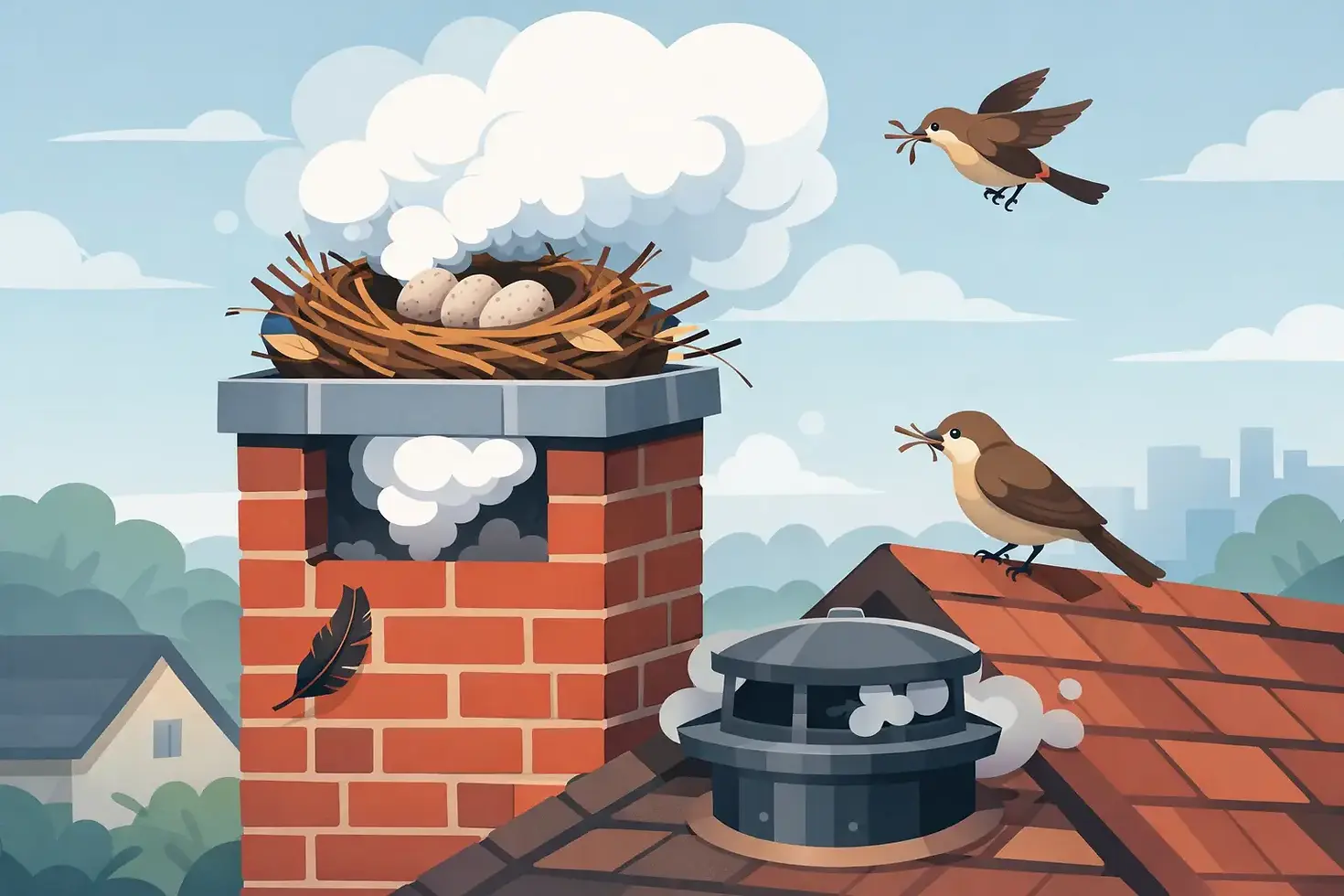
A chimney can look perfectly clear from the hearth while a tightly packed nest is sitting just above the fireplace opening. Homeowners often ask, “can birds nests block chimneys?” The simple answer is yes. A nest can restrict or completely stop the safe flow of smoke, fumes and gases out of your home, making it a problem that needs careful professional attention.
Birds are drawn to chimney pots because they are high, sheltered and often warm. In Somerset, Dorset and Devon, jackdaws are especially well known for nesting in chimneys, carrying in twigs, moss, wool, mud and sometimes surprisingly large pieces of debris. What starts as a few sticks can quickly become a substantial blockage.
Can birds' nests block chimneys completely?
Yes, particularly when a chimney has not been used for a while or has no suitable guard fitted. Jackdaws tend to build bulky nests, and their material can lodge on a bend, ledge or narrowing in the flue. Over time, soot can settle around it and make the restriction worse.
The degree of blockage depends on the type and age of the chimney. Older properties often have narrower, uneven flues, while some chimneys have internal bends that can catch nesting material. A modern lined flue may be smoother, but it is not immune. Even a partial obstruction can cause poor draw and send smoke back into the room.
A bird’s nest is not simply an inconvenience. If you light a fire below a blocked flue, smoke, soot and potentially dangerous carbon monoxide may not escape as they should. There is also a fire risk if hot gases or sparks reach dry nesting material higher up the chimney.
Signs there may be a nest in your chimney
Sometimes the first sign is obvious: you can hear birds calling, scratching or fluttering above the fireplace. At other times, the signs are less clear. You may notice a smoky smell from an unused fireplace, small pieces of twig or moss falling into the grate, or a fire that suddenly struggles to draw properly.
If you have lit your stove or fire and smoke is entering the room, put it out safely and do not use it again until the chimney has been checked. A carbon monoxide alarm may also sound if combustion gases are not leaving the property correctly. Treat this as urgent, leave the area if you feel unwell, and follow the advice for your alarm.
Other warning signs include a change in the sound of the chimney when the wind is blowing, damp or staining around the fireplace, and a persistent unpleasant odour. Nesting material can hold moisture, and a disused flue may also attract other debris alongside it.
Why it is unsafe to remove a nest yourself
It is tempting to poke a brush, pole or fire tool up the chimney when twigs start falling down. This can compact the nest further, damage a flue liner or cause a large amount of material to drop suddenly into the fireplace. It can also leave part of the obstruction behind, where it remains a risk.
There is another important consideration: birds and their active nests are protected by law. It is generally illegal to intentionally take, damage or destroy an active nest, or disturb certain nesting birds. The nesting season is commonly associated with spring and summer, but birds can nest outside these months, so dates alone are not a reliable guide.
A professional chimney sweep can assess whether a nest is active and advise on the appropriate next step. If the nest is no longer in use, it can be removed safely using the right equipment. If there are eggs or young birds present, removal may need to wait until the nest is inactive, unless there is a serious safety issue requiring specialist advice.
What happens during professional bird nest removal?
The first job is to establish where the nest is and how extensive it is. A chimney camera survey can be particularly useful where the flue has bends, a liner, or a suspected deep blockage. It allows the condition of the chimney to be checked without guesswork.
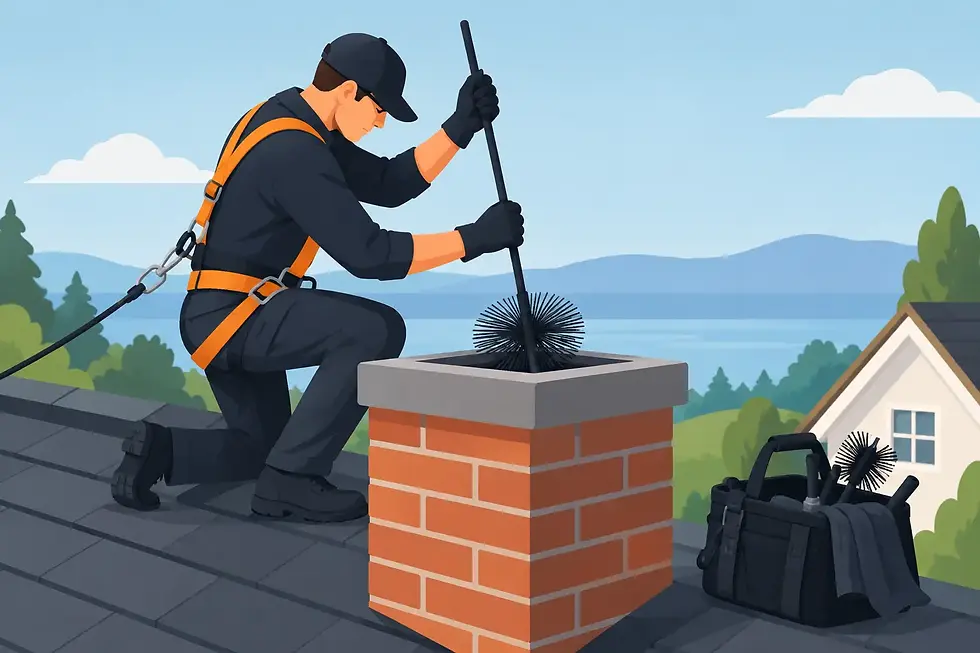
Once it is safe and lawful to proceed, the nest material is removed carefully. This may involve traditional brush and vacuum sweeping, power sweeping where suitable, and controlled removal from the fireplace or access point. The aim is to clear the flue without forcing debris into inaccessible parts of the system.
After removal, the chimney should be swept and checked before it is used. Nesting material can conceal soot build-up, loose debris or damage that was already present. A proper check also confirms that the flue is clear from fireplace to chimney pot and ready to draw safely.
At Three Counties Sweeps, we take care to keep the work clean and explain what has been found in plain language. For households with a wood burner, open fire or stove, knowing the flue is clear before the colder months brings valuable peace of mind.
The risks are different for open fires and stoves
Any blocked chimney is a concern, but the way you use your appliance can affect the warning signs. With an open fire, smoke often spills quickly into the room when the draw is poor. This can be unpleasant and obvious, although it should never be ignored.
A wood burner or multi-fuel stove is more enclosed, which can make it easier to miss a developing problem. Restricted airflow may lead to poor burning, blackened glass, smoke when the door is opened, or fumes escaping through small gaps. A blocked flue can also affect appliance performance and increase the risk from carbon monoxide.
Do not assume that a fire which appears to be burning normally means the chimney is clear. Partial blockages can still allow some smoke through while creating unsafe conditions, especially as the fire gets hotter or weather conditions change.
Preventing birds from nesting in a chimney
The best long-term solution is usually a correctly selected and fitted chimney cowl or bird guard. This allows smoke and gases to escape while discouraging birds from entering the pot. The right choice depends on the chimney, fuel type and appliance, as a guard that is poorly fitted or unsuitable for the flue can affect draw or collect soot.
This is why a one-size-fits-all mesh cover is not always the answer. Fine mesh can become clogged, and an unsuitable cowl may create problems in windy locations. A chimney professional can advise on an option that protects the flue without compromising how it works.
Regular sweeping remains part of prevention too. It gives you the chance to spot early signs of nesting, loose pots, damaged cowls and obstructions before lighting season begins. For many households, arranging a sweep before autumn means there is time to deal with any issue calmly rather than discovering it on the first cold evening.
When to arrange a chimney check
Arrange an inspection if you hear activity in the chimney, find nesting material in the fireplace, notice smoke entering the room, or have not used the chimney for several months. It is also sensible to have a flue checked before using a newly purchased property’s fireplace or stove, particularly if its history is unknown.
If you suspect a complete blockage, do not light a test fire to see what happens. A professional sweep or camera survey is a much safer way to find the cause. Carbon monoxide has no smell, so a clear flue and working carbon monoxide alarm are both essential safeguards.
A chimney is easy to forget when it is out of sight, but birds do not. Dealing with nesting material early, and fitting suitable protection once the flue is clear, helps keep your home warmer, cleaner and safer when you are ready to light the fire.


Comments