
.png)
Essential Tips for Sweeping Log Burners in Devon - Log Burner Cleaning Guide
Keeping your log burner clean and well-maintained is essential for safety, efficiency, and enjoying a cosy home during those chilly Devon evenings. If you have a log burner, you probably know how important it is to keep the chimney and stove in top shape. But how often should you sweep it? What tools do you need? And can you do it yourself, or should you call a professional? In this log burner cleaning guide, I’ll walk you through everything you need to know to keep your log burner safe and working well.
Why Regular Log Burner Cleaning Matters - Log Burner Cleaning Guide
You might wonder why you need to sweep your log burner regularly. After all, it just burns wood, right? Well, not quite. When wood burns, it produces soot and creosote, a sticky, tar-like substance that builds up inside your chimney and flue. This build-up can cause blockages, reduce airflow, and even lead to dangerous chimney fires.
Regular cleaning helps:
Prevent chimney fires by removing flammable creosote.
Improve heating efficiency so your log burner uses less wood.
Reduce smoke and unpleasant smells inside your home.
Keep your home safe by preventing dangerous blockages.
In Devon, where damp weather is common, creosote can build up faster, so staying on top of your log burner cleaning is even more important.

How Often Should You Sweep Your Log Burner?
A common question is: how often should I sweep my log burner? The answer depends on how often you use it and the type of wood you burn. As a general rule:
If you use your log burner daily during winter, aim to sweep it at least once a year.
If you use it less frequently, every two years might be enough.
Burning wet or softwood can cause more creosote, so you might need to sweep more often.
It’s always better to err on the side of caution. If you notice smoke backing up into your room or a strong smell of smoke, it’s time to get your chimney checked and swept.
Tools and Techniques for Sweeping Your Log Burner
If you’re thinking about doing the cleaning yourself, it’s important to have the right tools and know the correct techniques. Here’s what you’ll need:
Chimney brushes: These come in different sizes and shapes to fit your flue.
Extension rods: To reach the full length of your chimney.
Protective gear: Gloves, goggles, and a dust mask to protect yourself from soot.
Drop cloths or sheets: To cover your floor and furniture.
Vacuum cleaner: A special soot vacuum is best, but a regular one can work if you clean it thoroughly afterward.
Step-by-step guide to sweeping:
Prepare the area: Lay down drop cloths and remove any items near the stove.
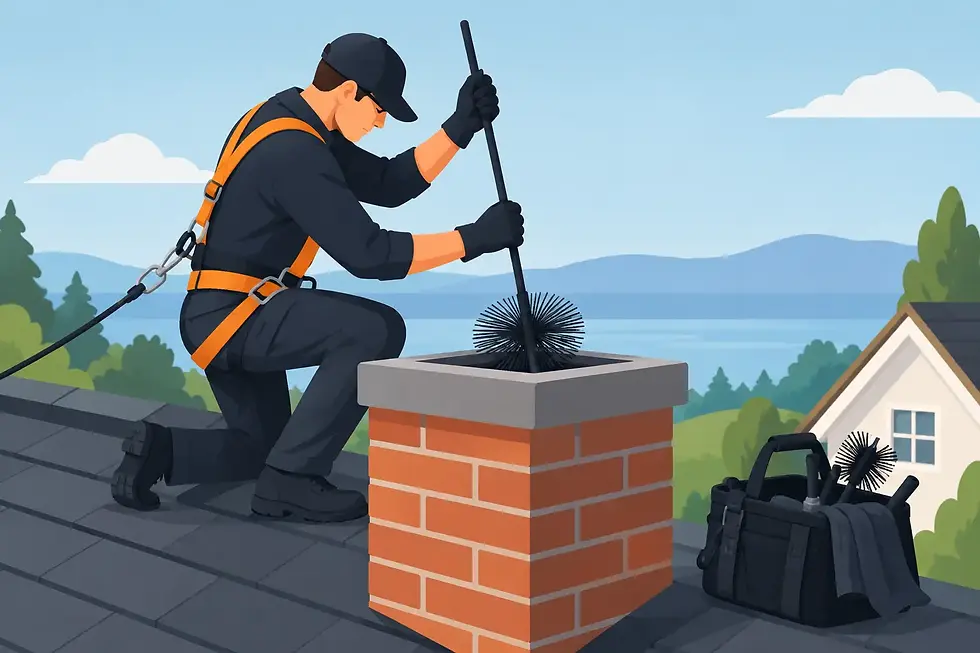
Access the chimney: You can sweep from the top (roof) or from inside the house, depending on your setup.
Attach the brush to the rods and push it up the chimney, scrubbing the sides to loosen soot and creosote.
Work the brush up and down several times to ensure thorough cleaning.
Remove the brush and clean the stove: Use a vacuum to clear out soot from the stove and hearth.
Check the chimney with a torch to make sure it’s clean.
If you’re not comfortable climbing on your roof or handling the equipment, it’s best to call a professional.

When to Call a Professional for Your Log Burner Sweep
While DIY cleaning can be satisfying and cost-effective, there are times when calling a professional is the safest and smartest choice. Professionals have the experience, tools, and knowledge to handle tricky situations and ensure your chimney is safe.
You should consider a professional sweep if:
You have a complex chimney system or multiple flues.
Your chimney is difficult to access or very tall.
You notice persistent smoke issues or strong creosote build-up.
You want a certificate of safety for insurance or peace of mind.
You simply want to save time and avoid the mess.
In Devon, there are trusted services that specialise in chimney and log burner maintenance. For example, if you’re searching for a reliable log burner sweep Devon, you’ll find experts who can help keep your home safe and warm.
Tips for Maintaining Your Log Burner Between Sweeps
Sweeping is essential, but there are plenty of things you can do to keep your log burner in great shape between professional cleanings:
Burn dry, seasoned wood: Wet wood creates more smoke and creosote.
Avoid burning rubbish or treated wood: These can damage your stove and chimney.
Use a stove thermometer: It helps you keep the fire at the right temperature to reduce creosote.
Check the stove door seals regularly to keep the fire burning efficiently.
Empty the ash pan often but leave a small layer of ash to help insulate the firebed.
By following these simple tips, you’ll reduce the amount of soot and creosote that builds up, making your annual sweep easier and safer.
Keeping Your Home Safe and Warm with Regular Sweeps
Regular sweeping and maintenance of your log burner are not just about keeping things clean. It’s about safety, comfort, and peace of mind. A well-maintained log burner heats your home efficiently, reduces the risk of chimney fires, and keeps your indoor air quality better.
If you live in Devon or the surrounding areas, it’s worth investing in regular checks and sweeps. Whether you do it yourself or hire a professional, staying on top of your log burner cleaning will pay off in warmth and safety all year round.
Remember, a clean chimney is a happy chimney!
If you want to learn more or book a professional sweep, check out trusted local services for a thorough and friendly approach to your log burner needs.


Comments