
.png)

How to Prevent Chimney Fires at Home
- plamb10
- Jun 21
- 6 min read
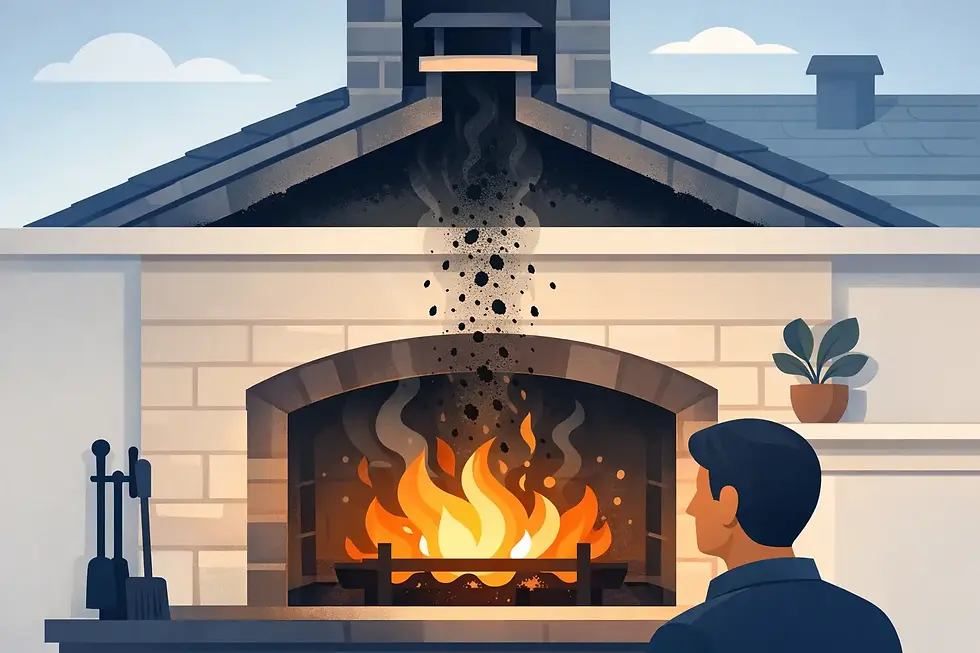
A chimney fire often starts quietly. There may be a rushing sound, a strong hot smell, or flakes of black soot dropping into the hearth. By the time it is obvious, the heat inside the flue can already be intense enough to crack liners, damage brickwork and put the rest of the house at risk. If you want to know how to prevent chimney fires, the good news is that most of the causes are well understood and largely avoidable.
For most households, chimney fires are not caused by one dramatic mistake. They are usually the result of a few smaller issues building up over time - soot and creosote left in the flue, damp or unseasoned wood, poor airflow, or a chimney that has not been checked for blockages or damage. Prevention is really about good habits, regular sweeping and spotting problems early.
How to prevent chimney fires starts with the fuel
What you burn has a direct effect on what builds up inside the chimney. Wood that is too wet creates more smoke, and that smoke carries unburnt particles which stick to the inside of the flue. Over time, those deposits can become highly flammable.
Seasoned or kiln-dried logs are the safer choice for wood burners and open fires. As a rule, firewood should have a moisture content of 20% or below. If it hisses, spits excessively or smoulders more than it burns, it is often too damp. That does not just make the fire harder to manage - it also increases the amount of residue lining your chimney.
It is also worth being selective about what never goes on the fire. Painted timber, treated wood, household rubbish, cardboard in large amounts and coal in an appliance not designed for it can all create the wrong kind of deposits or excessive heat. A hot fire is not always a bad thing, but an uncontrolled one inside a dirty flue is another matter.
Sweep the chimney before build-up becomes dangerous
Regular sweeping is one of the simplest and most effective answers to how to prevent chimney fires. Soot, tar and creosote do not disappear on their own. Once they have built up, they can ignite.
How often a chimney should be swept depends on the fuel and how often you use the appliance. A chimney serving a wood burner used through autumn and winter will usually need more attention than one attached to an occasional decorative fire. Smokeless fuel and gas have different servicing needs too. That is why a blanket rule does not always help - usage matters.
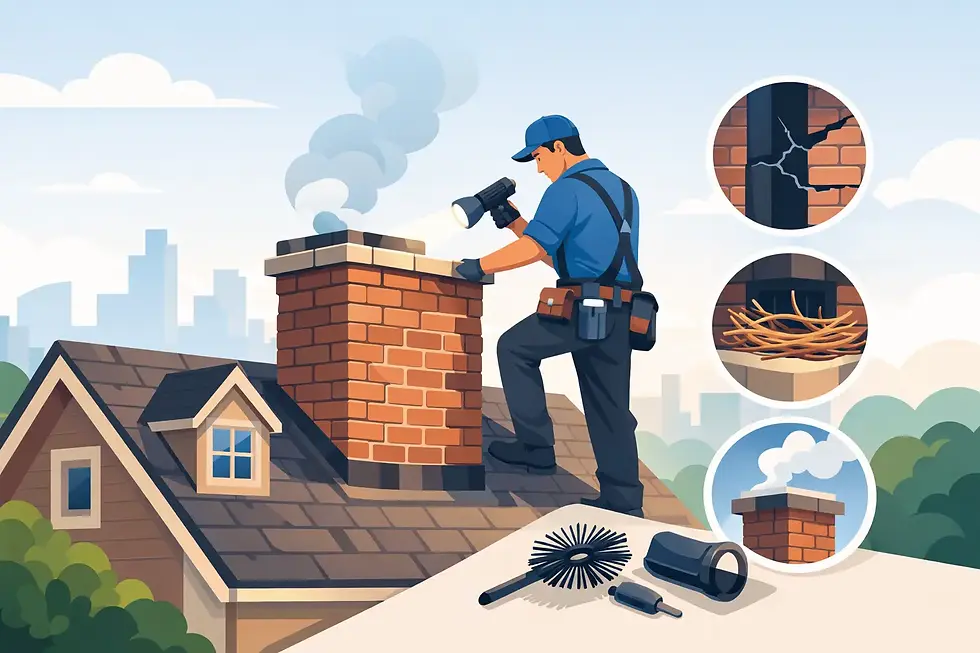
A proper sweep does more than remove soot. It can also reveal signs that something is not quite right, such as bird nests, loose debris, narrowing in the flue, damaged liners or excessive tar deposits. These are all issues that can increase the risk of a chimney fire or affect how safely the fire burns.
For households with busy stoves, especially in older or rural properties, it is sensible to treat sweeping as routine maintenance rather than something to think about only when there is a problem.
Burn hot enough, but not carelessly
A fire that is starved of air tends to smoulder, and smouldering fires produce more smoke and more deposits. One common mistake is closing the air controls too much in an effort to make fuel last longer overnight. It may seem economical, but it often leads to dirtier combustion and a dirtier chimney.
That does not mean you should run the appliance flat out all the time. Overfiring can damage the stove and the flue system. The aim is a clean, controlled burn with the correct airflow for the appliance. If the glass blackens quickly, the fire struggles to stay bright, or smoke lingers when lighting up, the settings may need adjusting.
Different stoves behave differently, and older open fires have their own quirks. The best approach is to follow the manufacturer guidance and have the chimney checked if the fire never seems to draw properly. Poor draw is not always down to user error. Sometimes the issue is the flue, the cowl, a blockage or the condition of the chimney itself.
Keep an eye on the warning signs
Chimneys rarely go from perfectly fine to dangerous overnight. There are usually clues. A strong smoky smell when the fire is not in use, tarry deposits around the appliance, blackened chimney pots, smoke spilling into the room, or bits of soot falling into the grate all point to a system that needs attention.
If you have had a chimney fire in the past, even a small one, it is especially important to have the chimney inspected before using it again. The internal heat from a flue fire can be far greater than many people realise. Damage may not be obvious from the fireplace opening, but cracks and weakened sections higher up can remain hidden.
A CCTV chimney survey can be helpful where there is any doubt about the internal condition of the flue. It gives a clearer picture of faults that sweeping alone cannot diagnose, particularly in older chimneys or where there have been repeated burning issues.
Blockages matter more than people think
A chimney fire risk is not just about soot. Anything that restricts airflow can make combustion poorer and the whole system less predictable. Bird nests are a common example in spring and early summer, particularly if a chimney has been out of use for a while. Fallen masonry, loose liners and heavy debris can cause similar problems.
When the flue is partially blocked, smoke and gases do not move as they should. That can encourage cooler, dirtier burning and increase deposit build-up. In some cases, blockages can also cause dangerous fumes to come back into the room.
If a fire suddenly becomes harder to light, starts smoking back or behaves differently from one week to the next, it is worth getting it checked rather than carrying on and hoping for the best.
Appliance condition plays a part
The chimney and the appliance work together. Rope seals, fire bricks, baffle plates and air vents all affect how efficiently and safely a stove burns. If the stove door does not seal properly, if components are warped, or if parts are missing, the burn pattern can change and put extra strain on the flue.
Open fires have their own maintenance needs as well. Crumbling internal surfaces, poorly fitted dampers and neglected throats can all affect performance. In practical terms, the safer setup is one where the appliance is in sound condition and the chimney is suited to it.
This is one of those areas where shortcuts tend to cost more later. A cheap fix or a guessed adjustment may keep a fire going for now, but it will not address the underlying issue if the chimney is sooting up too quickly.
Good habits through the heating season
If you use your fire regularly, a few simple habits make a real difference. Store logs somewhere dry and ventilated. Empty ash sensibly, but leave the amount recommended for your appliance if it helps maintain a good burn. Check that vents are not blocked by furniture, rugs or DIY draught-proofing. Make sure your carbon monoxide alarm is fitted correctly and tested.
It also helps to pay attention to how your fire normally behaves. Householders often spot problems early because something just seems different - the flame is duller, the room smells smokier, or the stove glass dirties unusually fast. Those small changes can be the first sign that the chimney needs sweeping or inspecting.
In areas with older housing stock, including many homes across Somerset, Dorset and Devon, chimneys can vary a great deal in age, design and previous repair work. That is one reason why a one-size-fits-all answer rarely works. Two houses on the same road may need very different maintenance schedules.
What to do if you suspect a chimney fire
Prevention is the goal, but it is still wise to know the signs. A chimney fire may sound like roaring, rumbling or a loud whooshing in the flue. You might see sparks or flames from the chimney pot, or notice an intense hot smell.
If you suspect one, call the fire service straight away. Close the stove air controls if it is safe to do so, keep everyone out of the room if needed, and do not pour water into the appliance. Even if the fire seems to have gone out on its own, the chimney should be checked before it is used again.
At Three Counties Sweeps, we often find that the safest homes are not the ones with brand new appliances. They are the ones where the owner keeps on top of sweeping, burns the right fuel and does not ignore the early warning signs.
A safe chimney is usually the result of ordinary care done at the right time. Keep the fuel dry, keep the flue clean, and if something does not seem right, get it looked at before your next fire rather than after it.

Comments