
.png)

Chimney Sweep or DIY Cleaning?
- plamb10
- May 18
- 6 min read
A chimney usually looks simple from the outside. A bit of soot, a brush, and a free afternoon can make chimney sweep or DIY cleaning seem like a close call. In reality, the difference often comes down to safety, mess, and whether the job is actually finished properly when you put the tools away.
For many homeowners, especially in older or rural properties, the chimney is easy to forget until something starts going wrong. Maybe the stove is not drawing as well as it used to. Maybe there is a smoky smell in the room, black dust appearing around the fireplace, or concern about birds nesting. By that point, a quick do-it-yourself clean can feel tempting. It is understandable. But chimneys are one of those parts of the house where what you cannot see matters most.
Chimney sweep or DIY cleaning - what is the real difference?
The biggest difference is not just who holds the brush. It is what gets checked while the cleaning is being done.
A proper chimney sweep is not simply about pushing soot up or down the flue. It is about removing deposits thoroughly, checking for blockages, spotting early signs of damage, and making sure the appliance and chimney are working safely together. With a professional service, there is also the benefit of the right equipment - from brush and vacuum systems to power sweeping and, where needed, CCTV inspection.
DIY cleaning tends to focus on the part of the job you can see. That might remove some loose soot near the fireplace opening, but it can easily miss compacted deposits higher up, tar build-up, partial obstructions, and nesting material. If you have a wood burner or stove, those hidden issues are often the ones that affect performance and safety most.
There is also the question of cleanliness in the home. Most people who attempt it themselves are surprised by how fine soot really is. It travels. It settles on furnishings. It gets into corners you did not know existed. What sounds like a money-saving afternoon can turn into hours of cleaning the room afterwards.
When DIY cleaning might seem enough
There are small bits of maintenance a homeowner can do perfectly well. You can keep the hearth area tidy, empty ash as advised by the appliance manufacturer, and keep an eye out for obvious changes such as stronger odours, smoke blowback, or debris falling into the fireplace. Those are sensible habits.
What DIY is not well suited to is the proper sweeping and inspection of the flue system itself. That is particularly true if you use your fire or stove regularly, burn wood through the colder months, or live in a property where the chimney has had years of previous use and unknown history.
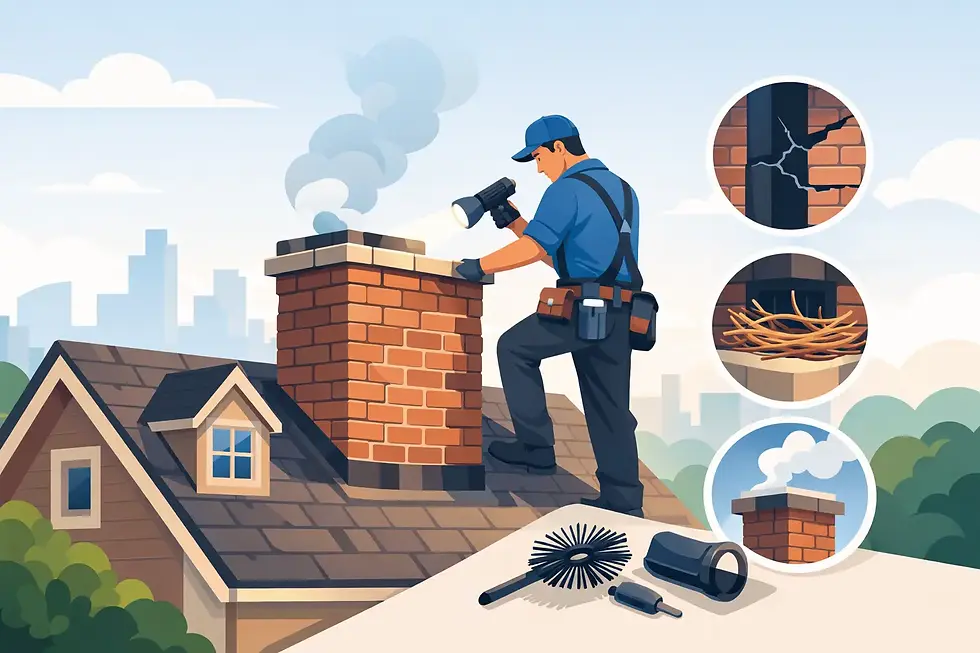
Even if you are practical and confident with jobs around the house, chimneys can be deceptive. A flue may appear clear at the bottom while still being restricted higher up. A bird guard may not be doing its job. A liner may be wearing or damaged. None of that is obvious from a quick look with a torch.
The risks people often underestimate
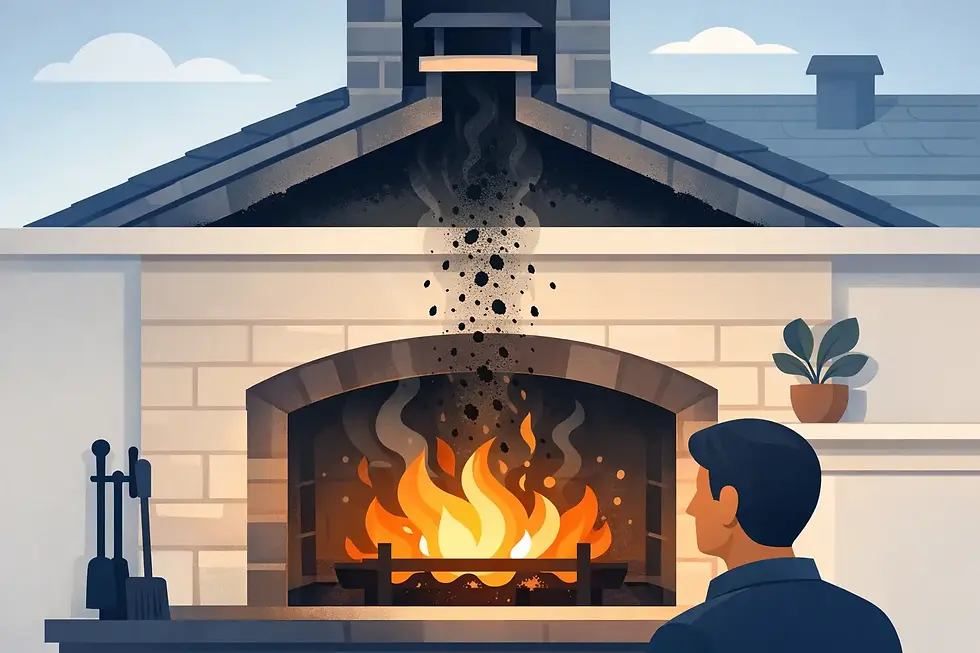
The main concern is fire risk. Soot and creosote build-up can ignite. When that happens, it is not a small inconvenience. Chimney fires can burn extremely hot and may damage liners, masonry and surrounding parts of the property.
There is also the issue of carbon monoxide. If a chimney is partially blocked or drawing poorly, fumes may not leave the property as they should. You cannot rely on smell alone to warn you. That is one reason regular sweeping matters even when everything seems to be working normally.
Then there is simple usability. A poorly maintained chimney often causes the everyday frustrations people put up with for too long - difficult lighting, smoke coming back into the room, lazy flames, and unpleasant smells during damp weather or when the fire is not in use. These problems are not always dramatic, but they are signs that the system needs proper attention.
Why a professional sweep usually works out better value
At first glance, DIY seems cheaper. You buy a brush kit, perhaps some sheets to protect the room, and set aside a bit of time. But that is only cheaper if the job is done thoroughly and nothing is missed.
If soot remains in the flue, if a nest is left partly in place, or if an underlying issue goes unnoticed, you may still need to book a professional afterwards. In some cases, the second visit takes longer because loose debris has been shifted awkwardly or compacted further.
Professional sweeping also gives peace of mind that matters to many households. When someone is trained, insured and experienced, they know what normal wear looks like and what needs closer attention. That can prevent larger repair costs later on.
For homes with stoves, open fires, lined flues, older chimney stacks, or appliances used as a regular heat source, that reassurance is worth a great deal. It is not just about a cleaner chimney. It is about knowing the fire you light next week is as safe as it should be.
What a proper chimney sweep should include
A good service is tidy, careful and respectful of your home. That matters. Letting any tradesperson into the house is built on trust, and chimney work should not leave your room covered in soot.
A proper visit should involve suitable protection for the working area, effective sweeping equipment, removal of soot and debris, and a clear explanation afterwards if anything needs attention. Depending on the chimney and appliance, that may also include power sweeping for a more thorough clean, birds nest removal, or a CCTV survey if there is concern about the condition inside the flue.
That is often where the real value lies. A professional is not there only to clean. They are there to notice things early.
Chimney sweep or DIY cleaning for wood burners and stoves
If you have a wood burner, the balance tips even more clearly towards professional sweeping. Stove systems rely on good airflow. Even a modest build-up inside the flue can affect how the appliance burns.
Burning unseasoned logs, slumbering the stove too often, or using it heavily through winter can all increase deposits. Some homeowners are diligent with stove care but still underestimate what is happening higher up the flue. A clean glass door and a neatly emptied ash pan do not tell the full story.
This is also where the right tools make a real difference. Different flue liners and systems need the correct approach. Too aggressive, and you risk damage. Too light, and the build-up stays put. A professional sweep will match the method to the chimney rather than treating every flue the same.
Choosing someone you can trust in your home
For most people, this decision is not only about technique. It is also about who is coming through the front door.
That is why credentials matter. Insurance, DBS checking, proper training, and membership of a recognised industry body all help show that the service is serious, accountable and safe. Friendly service matters as well, especially when the work is being carried out in your living room rather than outside on a driveway.
Across Somerset, Dorset and Devon, many households want the same thing from a chimney service - someone reliable, tidy, straightforward and professional, who respects the home and explains things clearly without making the job sound more complicated than it is. That is exactly how we believe it should be done at Three Counties Sweeps.
So, should you ever clean it yourself?
Light housekeeping around the fireplace, yes. Full chimney sweeping, generally no.
There are jobs in the home where a careful DIY approach is perfectly reasonable. Chimney sweeping is usually not one of them, because the consequences of getting it half right are too significant. If the flue is used regularly, if the property is older, if you have had nesting issues, or if anything has changed in how the fire or stove behaves, professional attention is the sensible option.
It is also worth remembering that regular servicing is easier than catch-up work. A chimney that is swept on time is usually simpler, cleaner and quicker to maintain than one left for years and then tackled in a rush before winter.
The best time to deal with a chimney is before it starts giving you problems. If you are weighing up chimney sweep or DIY cleaning, the safer choice is usually the one that leaves you with a clean flue, a checked system, and one less thing to worry about when the fire is lit.
Comments