
.png)

Why Is Fireplace Soot Falling Down the Chimney?
- plamb10
- 2 days ago
- 6 min read
A black sprinkling on the hearth is easy to dismiss as part of owning a fireplace. But fireplace soot falling down chimney is worth investigating, especially if it is happening regularly, arriving in larger clumps, or appearing after you light a fire. Your chimney is meant to carry smoke safely up and away from your home, not drop debris back into the room.
A little loose dust after a chimney has been swept, or after particularly windy weather, is not always a sign of serious trouble. Repeated soot fall, however, can indicate a build-up in the flue, an obstruction, a damaged lining or a problem with the way the chimney is drawing. Acting early is usually cleaner, safer and less expensive than waiting until the fireplace will not draw at all.
What to do when soot falls into the fireplace
If soot or debris is falling while the fire is lit, let the fuel burn down safely and do not add more. Once the appliance is cold, avoid disturbing the debris until you can see what has come down. Large flakes of shiny black material, chunks of mortar, bits of tile, twigs, nesting material or anything that looks like a bird’s nest all need professional attention.
Do not try to push a brush, pole or household vacuum up the chimney. A domestic vacuum is not designed for fine soot, and poking around from below can dislodge more material or compact a blockage. Keep children and pets away from the hearth, ventilate the room if there is a strong smoky smell, and arrange for the chimney to be checked before using it again.
If you notice smoke entering the room, a carbon monoxide alarm sounding, or anyone feels dizzy, sick or unusually drowsy, stop using the appliance, get fresh air and follow the safety advice for a suspected carbon monoxide incident. A working carbon monoxide alarm should be fitted in the same room as every solid-fuel appliance, but it is an alarm, not a substitute for a clean and sound chimney.
Common causes of fireplace soot falling down chimney
Loose soot and tar deposits
The most common reason is simply that soot and tar have accumulated on the inside of the flue and are breaking away. Wood smoke contains moisture and particles that cling to cooler chimney walls. Over time, these deposits can form a crust. Changes in temperature, vibration, rainwater and wind can loosen it, sending black flakes down into the fireplace.
This is more likely where wood has been burnt damp, fires have been allowed to smoulder, or the chimney has not been swept at the right interval. Wood should be properly seasoned or certified as ready to burn, with a moisture content of 20% or less. Wet logs may seem to burn, but much of the fire’s energy is spent boiling off water, leaving a cooler, smokier flue and more residue behind.
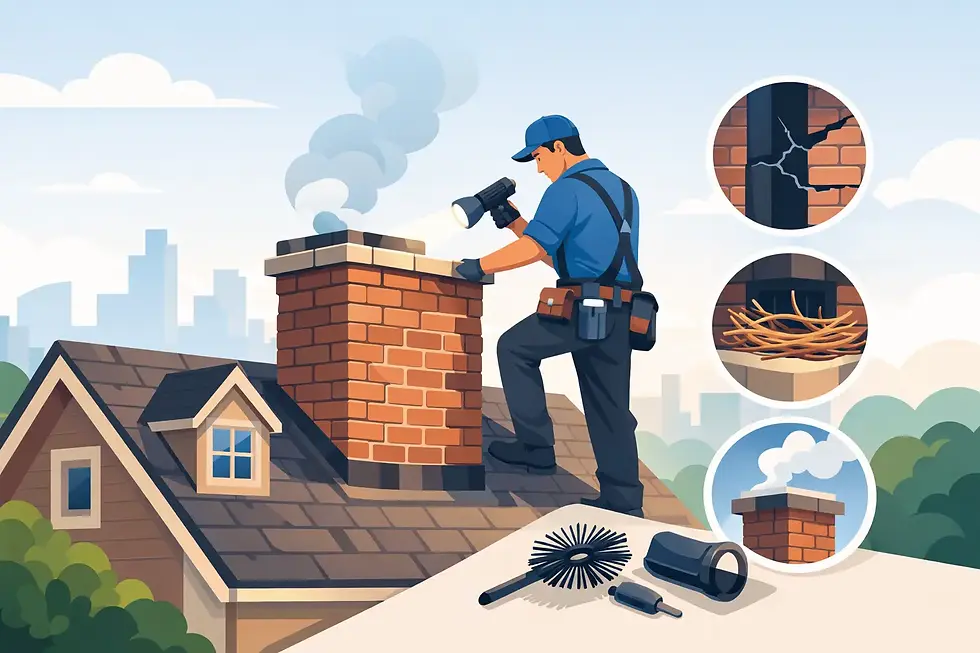
A nest or other blockage
Birds often choose chimney pots as sheltered nesting sites, particularly in spring. Jackdaws are a familiar cause of chimney blockages in rural parts of Somerset, Dorset and Devon. Nesting material can hold soot above it, so when the material shifts, debris may suddenly fall into the grate.
Leaves, moss, fallen mortar and small animal activity can also cause obstruction. The issue is not only the debris that comes down. Material still lodged higher in the chimney can restrict the passage of smoke and dangerous gases. A chimney sweep can remove the blockage safely and advise whether a suitable bird guard is appropriate for your chimney pot.
Damaged flue liners or chimney masonry
Not everything falling down a chimney is soot. Gritty fragments, pieces of clay liner, sandy material or mortar can suggest deterioration inside the flue or chimney stack. Older properties may have unlined chimneys, while lined chimneys can suffer from age, heat stress, moisture or previous unsuitable fuel use.
A sweep can often identify warning signs during a normal visit, but a CCTV chimney survey gives a clear view of the flue where there is concern. This is particularly useful after a chimney fire, when buying an older home, or if the fireplace continues to shed debris despite regular sweeping.
Downdraught and weather conditions
Strong winds can travel down a chimney rather than up it, especially where the pot sits below a roof ridge, near taller trees or close to neighbouring buildings. This downdraught can dislodge loose soot and blow it into the room. It may also make lighting the fire difficult or cause smoke to spill from the opening.
A cowl can help in some situations, but it is not automatically the right answer. The chimney’s height, the appliance type, ventilation and the nature of the downdraught all matter. Fitting the wrong cowl can reduce draw or make access for sweeping more difficult, so it is best assessed case by case.
Why the type of appliance matters
An open fire, a wood burner and a multi-fuel stove all use a chimney differently. Open fires move a large volume of air, while stoves rely on a correctly sized flue and controlled air supply. A stove that has been slumbered overnight or run with the air controls too low may create heavier soot deposits than one burnt hot and cleanly according to the manufacturer’s guidance.
Multi-fuel appliances also need the correct fuel. Household rubbish, treated timber, painted wood, pallets and coal not approved for domestic use should never be burnt. They can release harmful fumes, damage the appliance and leave stubborn deposits in the flue. Even good fuel needs enough airflow to burn efficiently.
If your appliance has recently been installed, changed or reconnected to a different chimney, do not assume an old sweeping routine still applies. The flue arrangement may need checking to make sure it suits the appliance.
When a sweep is enough, and when you may need more
A professional sweep removes soot and combustible deposits using the right brush or power-sweeping equipment, with suitable containment and vacuuming to keep mess in the home to a minimum. For many households, that is all that is needed. You should receive clear advice on what was found and when the chimney should next be swept.
Most chimneys serving wood, coal or other solid fuel appliances need sweeping at least once a year, and often more frequently where the fire is used heavily. Smokeless fuel may require less frequent sweeping, but an annual check remains sensible. The right interval depends on the appliance, fuel, usage and condition of the flue, rather than a one-size-fits-all calendar rule.
A CCTV survey is the sensible next step if debris keeps returning, the sweep finds signs of damage, there has been a chimney fire, or smoke problems persist after cleaning. It can reveal a displaced liner, narrowing, cracks, a hidden obstruction or an area that needs repair. That evidence means any remedial work can be based on the condition of your chimney, not guesswork.
Keeping soot out of the room between visits
Good habits make a noticeable difference. Burn only suitable, dry fuel, build fires that establish a good flame rather than smoulder, and empty ash carefully once cold. Leave a small bed of ash in a wood burner only if the appliance manufacturer recommends it, and never let ash build high enough to interfere with airflow.
Keep the throat of an open fireplace clear and check that the damper, where fitted, opens fully before lighting. If you have a stove, use it as designed and avoid shutting it down too early. A fire that is starved of oxygen produces more smoke, more deposits and less heat for the fuel you have paid for.
It also helps to look outside occasionally. A damaged or missing pot, loose chimney cowl, vegetation around the stack or visible mortar loss may explain why debris is finding its way indoors. Do not climb onto the roof yourself. A clear description and a few safe photographs from ground level are useful when booking an inspection.
A clean chimney is a safer chimney
Soot falling into the fireplace is your chimney asking for attention. It may be a straightforward clean, or it may be the first visible sign of a blockage or flue defect. Either way, putting the fire on hold until it has been checked gives you peace of mind.
Three Counties Sweeps provides professional chimney sweeping, blockage removal and CCTV chimney surveys for householders who want a clean, careful service and clear advice on what their chimney needs. A prompt check now can help your next fire burn as it should - warmly, cleanly and safely.

Comments