
.png)
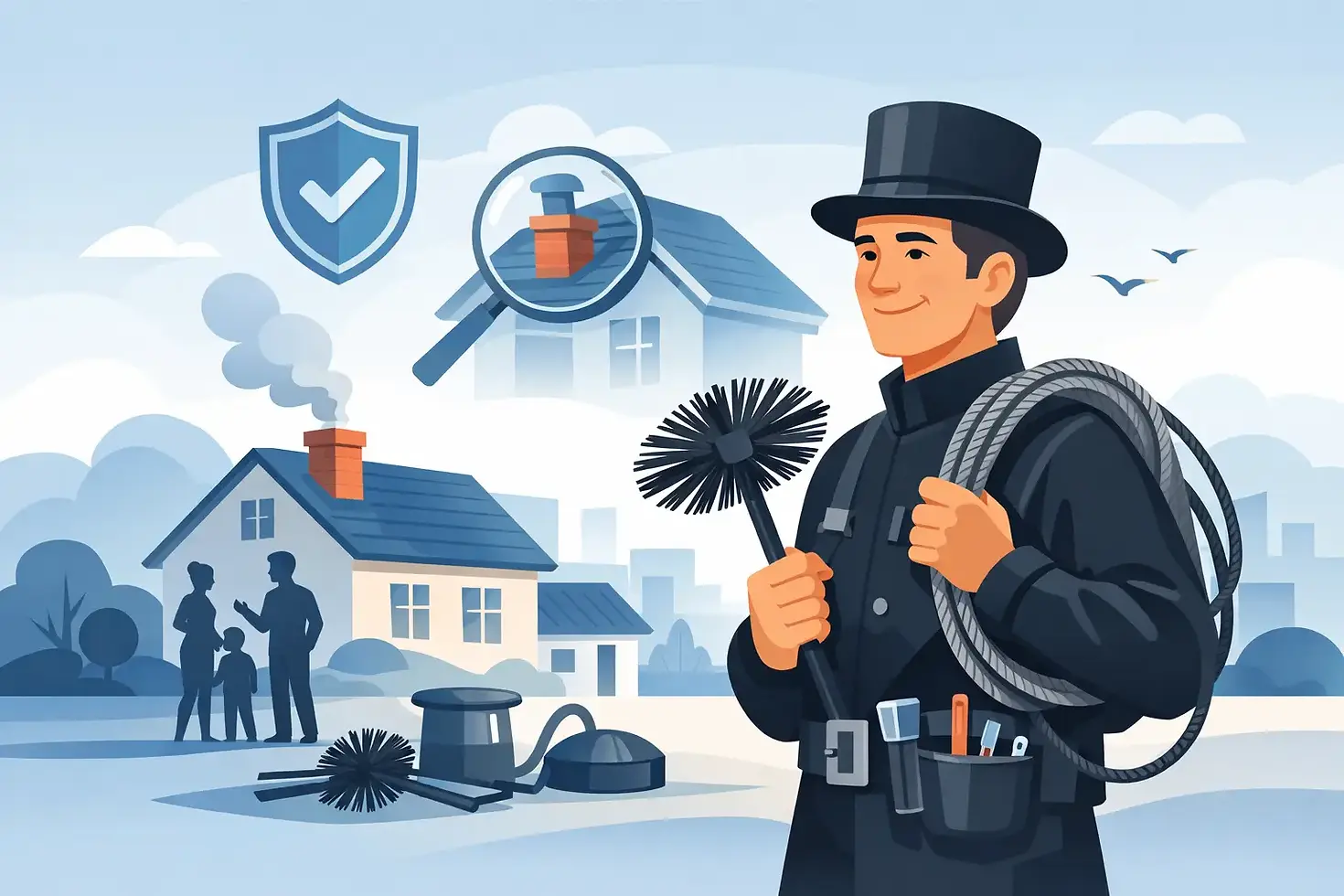
Why Choose a NACS Registered Chimney Sweep?
- plamb10
- 5 days ago
- 5 min read
A chimney sweep is often called when the stove starts smoking, a room smells of soot, or winter is almost here. But regular care is far easier, cleaner and safer than waiting for a problem. Choosing a NACS registered chimney sweep gives homeowners a useful starting point when looking for someone they can trust in their home.
NACS stands for the National Association of Chimney Sweeps. Membership shows that a sweep is connected to a recognised trade body and takes their work seriously. That matters when you are relying on someone to clean a working flue, spot potential issues and leave your home tidy afterwards.
What does NACS registration mean?
A NACS member works within the association's standards and has access to industry training, guidance and support. It is a sign that the sweep has chosen to be accountable to their trade, rather than simply buying some brushes and advertising a service.
For homeowners, that reassurance is valuable. Chimney sweeping is not just about removing visible soot from a fireplace. A proper service looks at the condition and use of the chimney, clears deposits from the flue and helps identify blockages or concerns that need further attention.
Membership alone is not a promise that every chimney will be problem-free. Chimneys vary enormously, particularly in older rural and period properties. A good sweep will explain what they find in plain language, recommend the sensible next step where needed, and never make a problem sound worse than it is.
Why the right chimney sweep matters
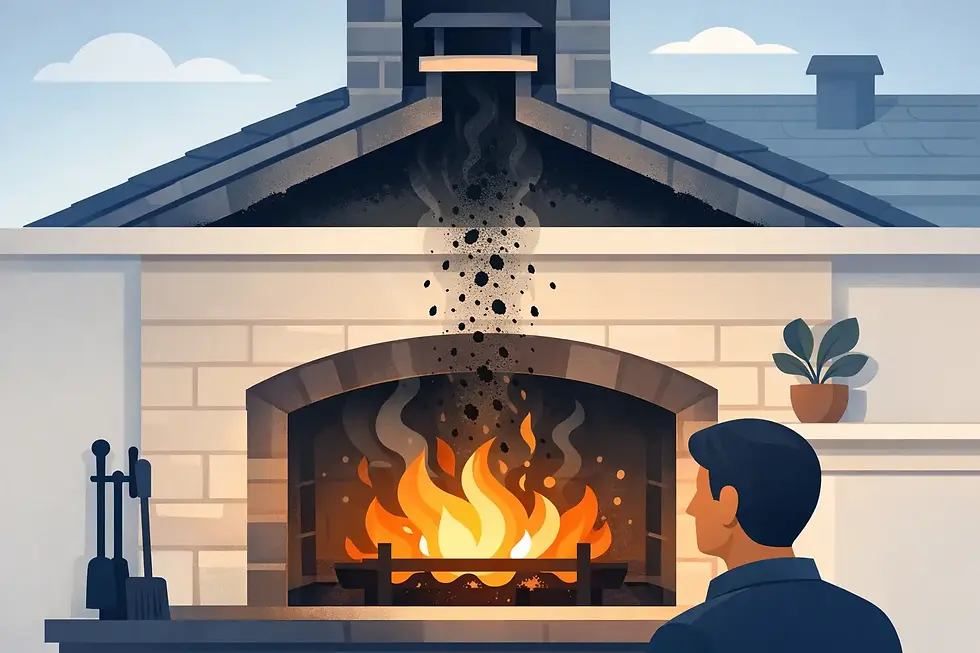
When wood, coal, smokeless fuel or other solid fuels burn, deposits can build inside the flue. Soot, tar and creosote may restrict the passage of gases and, in the wrong conditions, can contribute to a chimney fire. A blocked chimney can also affect how a stove or open fire draws.
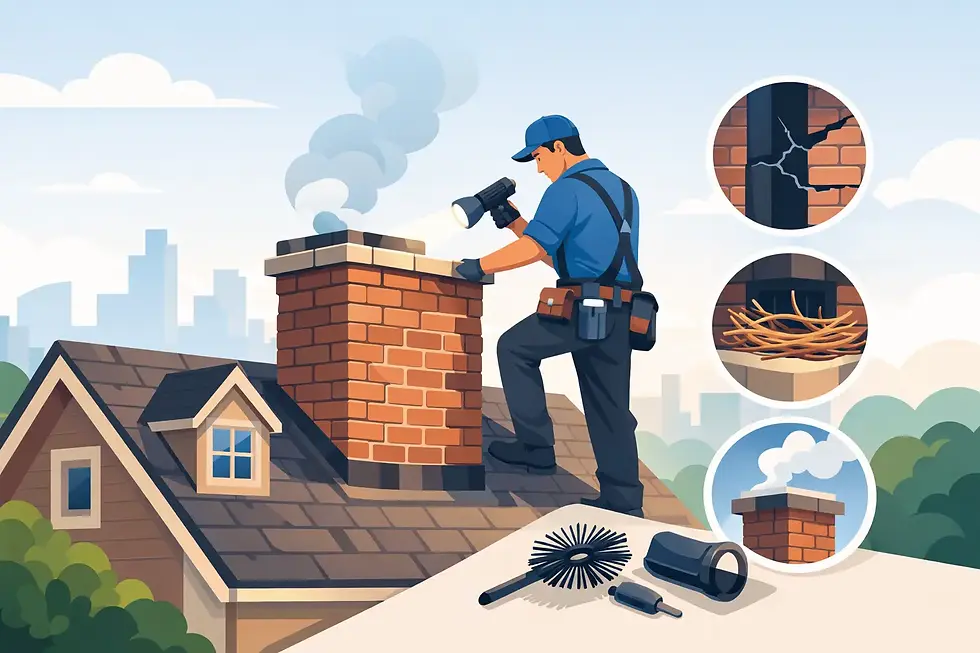
The risks are not always obvious from the hearth. A fire may still light, but smoke may spill back into the room, the appliance may be difficult to control, or an unpleasant smell may linger when the weather changes. Birds' nests, fallen debris and loose mortar can cause similar issues.
A professional sweep has the right equipment to do the job effectively while protecting the room around the appliance. Depending on the chimney, this may involve traditional brush and vacuum sweeping or power sweeping. If there is a concern that cannot be assessed from either end of the flue, a CCTV chimney survey can give a clearer picture.
What to expect from a NACS registered chimney sweep
A reliable appointment should feel straightforward from the moment the sweep arrives. They should ask about the appliance, the fuel you use and any changes you have noticed, such as smoke, odours or poor draw. This conversation helps them choose the most appropriate method and understand what may be happening inside the flue.
Before work begins, the area around the fireplace or stove should be protected. A careful sweep uses suitable sheeting and a vacuum system designed for chimney work, so soot stays where it belongs. There can be a little dust around old fireplaces or awkward openings, but a professional approach keeps disruption to a minimum.
Once the chimney has been swept, you should be told what was removed and whether anything needs watching. Where the flue is clear and working as expected, the sweep can issue a certificate or receipt for your records. Keep it somewhere safe, particularly if you have a stove, use your fire regularly, rent out the property or need to evidence maintenance to an insurer.
If a bird's nest, damaged liner or significant obstruction is found, the job may need more than a standard sweep. That is not necessarily a cause for alarm. The important thing is to have a clear explanation of the issue, what work is required and whether the appliance should stay out of use until it is resolved.
Clean work and household respect count
Credentials are important, but so is how someone behaves in your home. You should feel comfortable asking questions, and you should not be left to sweep up after the sweep has gone. Punctuality, clean footwear or protection where appropriate, tidy equipment and clear communication all make a difference.
This is especially true when the fireplace is in the middle of a family living room. The best service is one that combines proper technical care with a respectful, friendly manner. At Three Counties Sweeps, that is central to how we work: professional chimney care without the fuss or mess people understandably worry about.
How often should your chimney be swept?
There is no single timetable that suits every property. How often you need a sweep depends on the fuel, the appliance, how frequently it is used and the condition of the chimney. A wood burner used most evenings through autumn and winter will usually need more attention than an open fire used only a handful of times a year.
As a practical rule, regular users of wood-burning and solid-fuel appliances should arrange an annual sweep at minimum, with more frequent checks where use is heavy or the fuel produces more deposits. If you burn wood, make sure it is properly seasoned or approved as ready to burn. Wet wood creates more smoke and residue, making the appliance less efficient as well as increasing flue deposits.
Do not wait for the first cold spell to book. Autumn appointments are popular, and arranging maintenance before you need the fire gives time to deal with any unexpected finding. A spring sweep can also be a good choice after the main heating season, particularly if you want the chimney checked and clean before it sits unused.
Questions worth asking before you book
You do not need to be a chimney expert to choose well. A few sensible checks can help you feel confident about who is coming into your home. Ask whether the sweep is a current NACS member, whether they are fully insured, and what is included in the appointment.
It is also worth asking whether they can handle the type of appliance you own. An open fireplace, lined wood burner, range cooker and older unlined chimney may need different equipment or a different approach. If you have experienced recurring smoke problems, a CCTV survey may be more useful than repeated sweeping alone.
For extra peace of mind, particularly in a busy household or where a vulnerable person lives at home, ask about DBS checking. A trustworthy local sweep will be happy to answer these questions clearly. You should never feel pressured into work you do not understand.
Signs your chimney may need attention sooner
Regular servicing is the best approach, but some signs call for an earlier appointment. Arrange a professional inspection if you notice smoke entering the room, a strong sooty smell, debris falling into the fireplace, an unusual roaring sound when the fire is lit, or a marked change in the way the appliance burns.
Bird activity around the chimney pot in spring can also be worth investigating. Some nests are quickly visible, while others sit further down the flue. Do not light a fire if you suspect a blockage. The safest option is to have the chimney checked first.
A carbon monoxide alarm should be fitted and maintained in rooms with solid-fuel appliances, following the manufacturer's instructions. It is an essential warning device, but it does not replace regular sweeping, sound installation and sensible use of the appliance.
Choose reassurance, not guesswork
A NACS registered chimney sweep is a sensible choice for anyone who wants professional standards alongside a friendly, local service. Look for current membership, insurance, clean working practices and someone who will explain the condition of your chimney without jargon.
Your fireplace or stove should bring warmth and comfort to your home, not uncertainty. Booking regular chimney care gives you the chance to enjoy it with greater confidence, whether you are preparing for winter or simply keeping a well-loved home in good order.
Comments