
.png)

How to Maintain a Wood Burner Chimney
- plamb10
- May 24
- 6 min read
Updated: Jun 1
A wood burner usually tells you when something is off. The fire gets harder to light, the glass darkens quickly, smoke lingers, or a stale sooty smell starts to hang around the room. If you are wondering how to maintain a wood burner chimney, the good news is that most of it comes down to regular habits, a few simple checks, and getting it swept at the right time.
A well-maintained chimney helps your stove burn more cleanly and efficiently. More importantly, it reduces the risk of chimney fires, carbon monoxide problems, and blockages from soot, tar, or nests. You do not need to become a chimney expert, but it does help to know what to look for and when to call in a professional.
How to Maintain a Wood Burner Chimney Day to Day
The best chimney maintenance starts before the soot even reaches the flue. What you burn, how you burn it, and how often you use the stove all affect what builds up inside the chimney.
Seasoned or kiln-dried wood is always the better choice. Wet or unseasoned logs create more smoke, more condensation, and more creosote deposits. That sticky, tarry residue is one of the main causes of chimney fires. If your firewood hisses, spits excessively, or leaves the stove glass black after a short burn, the moisture content may be too high.
Running the stove too low for long periods can also cause trouble. Many people try to make fuel last by slumbering the stove overnight or keeping the air supply very restricted. It can seem economical, but it often produces cooler, dirtier flue gases that leave more residue inside the chimney. A stove that burns hot enough, with the right airflow, usually keeps both the appliance and chimney in better condition.
Ash matters too. A small bed of ash can help a fire establish, but letting it build up too much can interfere with airflow and make the stove perform poorly. Empty the ash pan as needed, store ashes safely in a metal container, and make sure everything is properly cold before disposal.
The Signs Your Chimney Needs Attention
Some problems creep up slowly, so it is worth paying attention to changes in the way your stove behaves. If smoke spills into the room when you open the door, that can point to a partial blockage, poor draw, or an issue with ventilation. If the fire feels sluggish and struggles even with dry wood, the flue may be narrowing with soot deposits.
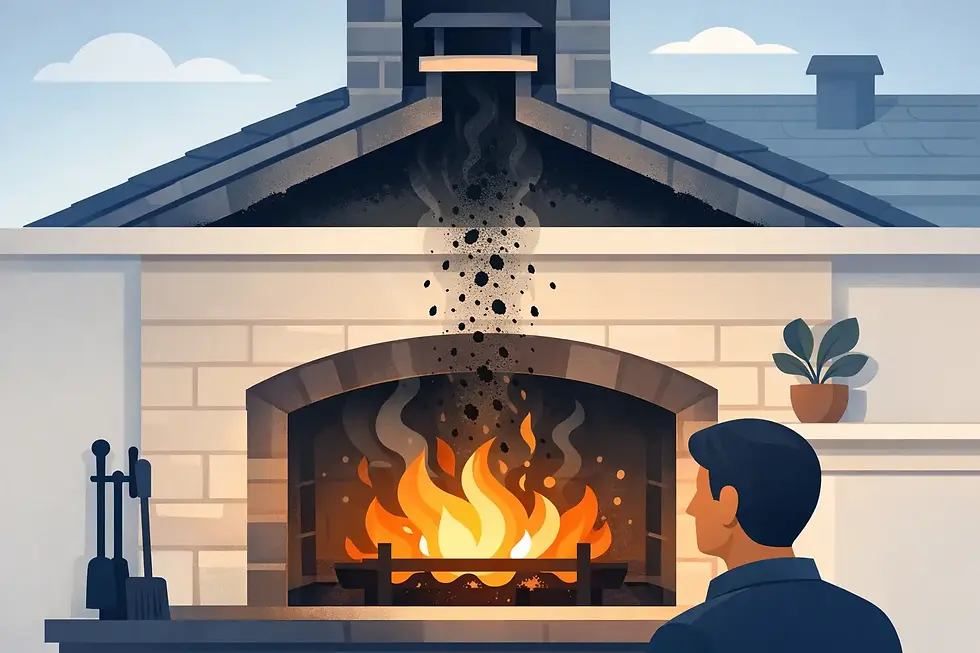
Strong smoky odours, especially in milder weather, can suggest stale soot inside the chimney or poor airflow. Bits of soot falling into the fireplace or stove are another sign that sweeping may be overdue. You might also notice birds entering and leaving the chimney pot in spring, which can mean nest material is building up above.
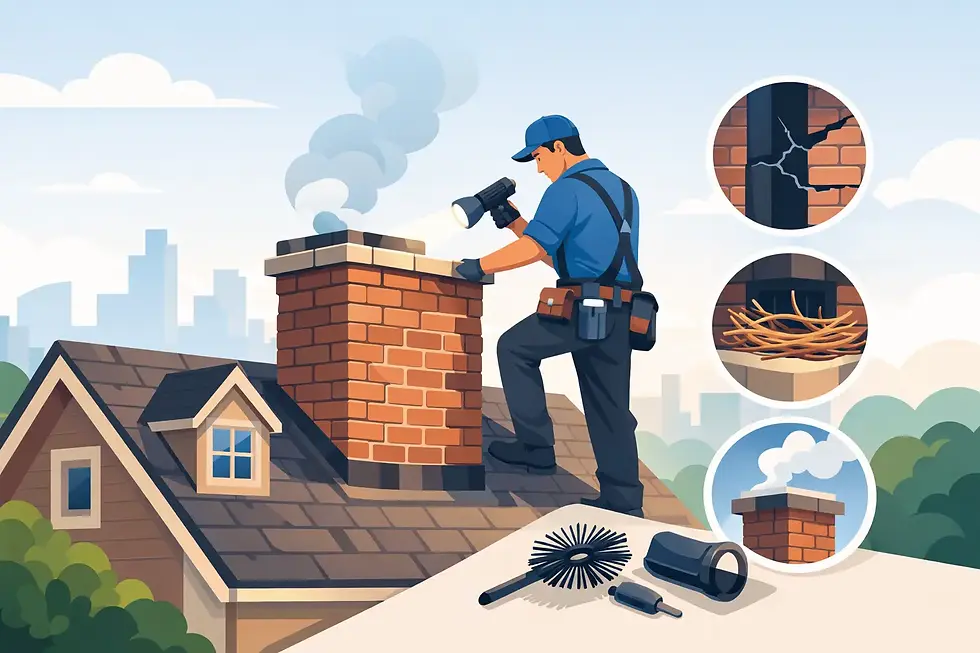
Sometimes the warning signs are outside. Staining on the chimney breast, damp patches near the flue, crumbling mortar, or damage around the pot and cowl can all affect performance and safety. These are not jobs to ignore and hope for the best.
How Often Should a Wood Burner Chimney Be Swept?
This is the question most homeowners ask, and the honest answer is that it depends on use. A chimney serving a wood-burning stove should generally be swept at least once a year, but many households need it done more often. If you use your stove daily through autumn and winter, twice a year is often sensible.
The type of fuel makes a difference. Burning only clean, dry hardwood is usually kinder to the flue than burning damp logs or a mix of poorer-quality fuels. The way the stove is operated matters as well. Frequent low, slumbering burns tend to create more deposits than hotter, well-ventilated fires.
If your property is older, the chimney has bends, or the appliance sees heavy use, a more regular sweeping schedule can help avoid problems before they start. This is one of those areas where a professional sweep can give practical advice based on your setup, rather than a one-size-fits-all answer.
What Professional Sweeping Actually Does
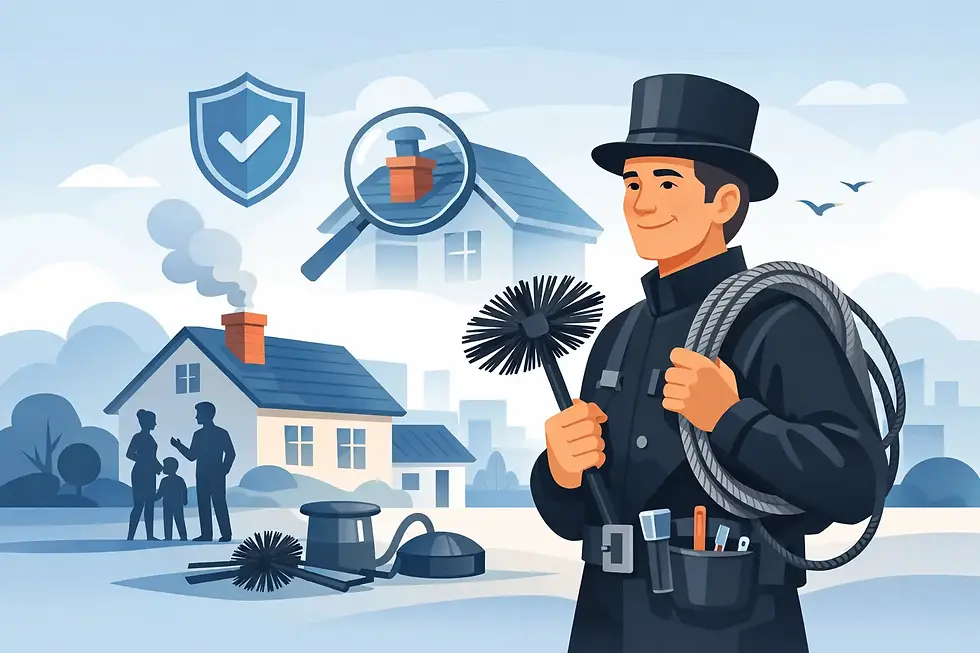
A proper chimney sweep does more than remove loose soot. The aim is to clear deposits thoroughly, check for blockages, and identify signs of wear or damage that could become a safety issue later. For wood burners, that can include soot, creosote, masonry debris, and sometimes bird nesting material.
A clean, careful service matters in any home, especially if the stove sits in a main living space. Brush and vacuum sweeping is often enough for routine maintenance, while power sweeping can be useful for more stubborn deposits or particular flue types. In some cases, a CCTV survey helps investigate performance issues, recurring blockages, or concerns about the condition of the flue lining.
Good chimney care is not just about getting the soot out. It is about making sure the whole system is working as it should.
Simple Checks You Can Do Between Sweeps
Homeowners can do a few sensible checks without taking risks. Start with the stove itself. Look at the firebricks, rope seals, and baffle plate. If seals are worn or the baffle is out of place, the stove may not burn as efficiently, which can affect the chimney as well.
Check the glass and air vents. If the stove is blackening up unusually fast, that can be a clue that combustion is poor or the fuel is too wet. Keep an eye on smoke behaviour too. A small amount on lighting is not unusual, but persistent smoke back into the room is a sign something needs attention.
Outside, if it is safe to do so from ground level, look up at the chimney pot and cowl. You are checking for obvious damage, leaning parts, or signs of bird activity. Do not climb onto the roof or attempt high-level inspections yourself. A professional has the right equipment for that safely.
Carbon monoxide alarms are another essential part of chimney maintenance. Test the alarm regularly and replace it according to the manufacturer's guidance. A working alarm is not a substitute for sweeping or servicing, but it is an important layer of protection.
Common Mistakes That Shorten Chimney Life
One of the biggest mistakes is burning the wrong things. Treated timber, painted wood, household rubbish, glossy paper, and coal in a stove designed only for wood can all create extra deposits or damage the appliance and flue. They can also release harmful fumes.
Another common issue is assuming that if the fire still lights, the chimney must be fine. Chimneys can partially block while the stove continues to work, just less efficiently and safely. Waiting until there is a strong smell, visible smoke, or a full blockage often means the problem has had time to build.
Skipping appliance servicing is another false economy. The chimney and stove work together. If one is underperforming, the other often feels the effects. A loose seal, damaged liner, or poorly fitted cowl can all lead to bigger issues if left unchecked.
When It Is Time to Call in a Professional
If you have not had the chimney swept in the last year, that is reason enough to book it in. The same goes for smoke problems, bird nests, tar deposits, unusual odours, or any concern about the condition of the flue. If you have recently moved into a property with a wood burner and do not know its history, it is wise to have the chimney checked before regular use.
This is especially true in older homes across Somerset, Dorset and Devon, where chimneys can have a few surprises hidden inside. A local, qualified sweep will understand the sort of issues that show up in period properties, rural homes, and chimneys that may have seen years of mixed use.
At Three Counties Sweeps, the focus is on keeping things simple for homeowners - clean work, clear advice, and a reliable service that respects your home as much as your chimney.
A Sensible Routine That Keeps Problems Away
If you want the practical answer to how to maintain a wood burner chimney, it is this: burn dry wood, avoid slumbering the stove for long periods, watch for changes in performance, test your carbon monoxide alarm, and have the chimney swept as often as your level of use requires.
That routine is not complicated, but it does make a real difference. A wood burner should feel like a comfort, not a worry. When the chimney is looked after properly, the stove burns better, the room stays cleaner, and you can enjoy the fire with far more peace of mind.
If your stove has started behaving differently, it is usually worth acting sooner rather than later. Small chimney problems are far easier to sort out before they turn into messy, expensive, or unsafe ones.
Conclusion
In conclusion, maintaining your wood burner chimney is essential for safety and efficiency. Regular checks, proper fuel choices, and timely professional sweeps will keep your chimney in top condition. Remember, a well-maintained chimney not only enhances your wood burner’s performance but also ensures your home remains safe and comfortable. So, let’s keep those fires burning brightly and safely!
Comments