
.png)

A Practical Guide to Hearth Fire Safety at Home
A lit fire is one of the nicest parts of a cold evening, whether it is an open fireplace, a wood burner or a multi-fuel stove. But the hearth is not simply a decorative spot in the room. It is the working area around a source of intense heat, sparks and ash. This guide to hearth fire safety explains the everyday habits that help you enjoy your fire with confidence.
Most problems do not begin with one dramatic mistake. They tend to build up through small things: fuel stored too close to the stove, a damaged fireguard, ash left in a cardboard box, or a chimney that has not been checked for longer than it should. A little care before and after each fire goes a long way.
Start with a clear, suitable hearth
Your hearth should provide a non-combustible surface beneath and in front of the fire. Its job is to protect the floor from heat, falling embers and hot ash. Stone, slate, tile and properly specified glass hearths are common choices, but the right size and material depend on the appliance and how it is installed.
For an open fire, the area in front is particularly important because sparks can travel further than expected. With a stove, heat can still affect nearby flooring and furnishings even when the door is shut. If you are fitting a new appliance, replacing a hearth or unsure whether an older installation meets current requirements, ask a qualified installer for advice rather than assuming it is fine.
Keep the hearth itself clear. A few fireplace tools are practical, but avoid leaving kindling baskets, newspapers, decorative dried flowers or children’s toys beside the fire. These items can catch a spark or become hot without anyone noticing.
Keep a safe space around the fire
The warmth from a fire reaches further than the flames. Curtains, rugs, cushions and furniture can become a hazard if they are close enough to be affected by radiant heat. Give the appliance room to breathe, and be especially careful with a cosy armchair that has gradually edged closer over winter.
A fixed fireguard is a sensible safeguard for open fires, particularly in homes with young children, older relatives or pets. Choose one that is stable, large enough to cover the opening and designed for use with fires, rather than a lightweight decorative screen. A stove door offers more protection, but its glass and metal surfaces can still become extremely hot. A suitable stove guard may be worthwhile where children or dogs are likely to get close.
Do not dry washing on or immediately beside a stove. It can seem convenient on a damp day, but fabric can overheat and it may also affect airflow around the appliance. Drying racks should be positioned well away from the heat source.
Never leave a fire unattended
Open fires should be watched while they are burning. Before leaving the room or going to bed, allow the fire to die down safely and make sure any guard is secure. With a stove, follow the manufacturer’s instructions for loading and damping down. Do not overfill it in an attempt to make it burn all night.
Burn the right fuel, in the right way
The fuel you use affects both fire safety and chimney condition. For wood burners and open fires, use dry, properly seasoned or kiln-dried wood. Wet wood creates more smoke, soot and tar deposits, and it is harder to burn efficiently. Wood marked as ready to burn is a straightforward choice where available.
Never burn household rubbish, painted or treated timber, old furniture, plastics or cardboard packaging. These can release harmful fumes, produce excessive deposits and create unpredictable flames. Coal and smokeless fuels are not interchangeable either. If you have a multi-fuel stove, check the manufacturer’s guidance on what it is designed to burn.
Build fires steadily rather than trying to force a large blaze quickly. A smaller, well-managed fire burns more cleanly than a heavily loaded grate struggling for air. If smoke enters the room, do not ignore it. Open the appliance door or air controls only as instructed, and check that the chimney is drawing properly. Persistent smoke problems need investigating before you use the fire again.
Ventilation is part of hearth fire safety
A fire needs oxygen to burn safely. Many older homes have natural gaps around doors and windows, but modern improvements such as draught-proofing and replacement windows can reduce ventilation significantly. Some appliances require a permanent air vent, particularly where their output is higher.
Do not block an air vent because it feels chilly or lets in noise. It may have been installed to supply the appliance safely. Extractor fans in kitchens and bathrooms can also affect how a chimney draws, especially in tightly sealed homes. If you notice smoke being pulled back into the room when a fan is running, stop using the fire and seek professional advice.
Every home with a solid-fuel appliance should have a carbon monoxide alarm. Fit it in the same room as the appliance, following the manufacturer’s positioning instructions, and test it regularly. A carbon monoxide alarm is not a substitute for sweeping and maintenance, but it is a vital warning device.
If an alarm sounds, or anyone develops symptoms such as headache, dizziness, nausea or unusual tiredness while the fire is in use, get everyone into fresh air, call the appropriate emergency service or seek urgent medical advice, and do not relight the appliance until the cause has been checked.
Remove ash with care
Ash can stay hot for much longer than it looks. Even the morning after a fire, hidden embers may still be capable of melting plastic or starting a fire. Let ash cool completely before removal, then use a metal shovel and place it in a metal container with a secure lid.
Never put warm ash into a plastic bin, paper bag, wheelie bin or cardboard box. Keep the metal container outside, away from sheds, fences, logs and other combustible materials, until you are certain the contents are cold. This is one of the simplest habits in any guide to hearth fire safety, yet it prevents a surprising number of avoidable incidents.
A small amount of ash in a stove can sometimes help the firebed perform well, depending on the appliance. Do not empty it unnecessarily, but do not let it build up to the point where it interferes with airflow or damages internal components. Your stove handbook will give the best guidance.
Sweep and inspect the chimney regularly
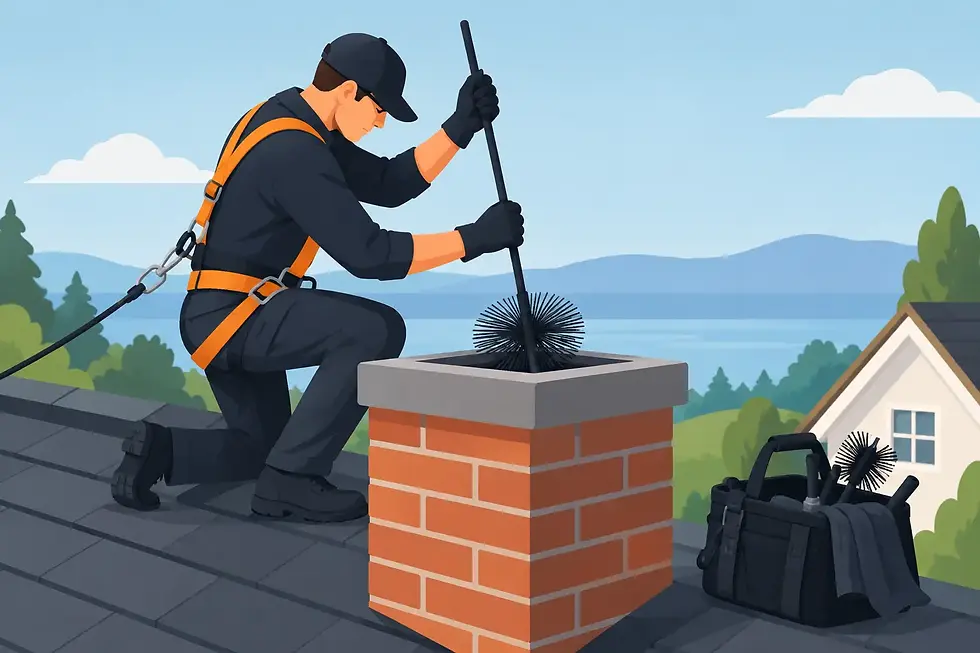
The hearth and chimney work as one system. Soot, creosote, bird nesting material and other blockages can restrict the flue, increase the risk of chimney fires and allow smoke or carbon monoxide back into the room. Regular professional sweeping removes deposits and gives you an opportunity to spot issues before they become more serious.
How often you need a sweep depends on the fuel, appliance, frequency of use and the condition of the chimney. As a general guide, wood-burning and multi-fuel appliances are commonly swept at least once a year, often more frequently with heavy use. Open fires may also need more regular attention depending on what is burned. A chimney sweep can give advice based on your own setup rather than a one-size-fits-all timetable.
Look out for warning signs between appointments: smoke entering the room, a lingering tar smell, poor draw, black marks around the fireplace, debris in the grate or a bird repeatedly entering the chimney pot. Do not try to push a blockage through yourself. CCTV chimney surveys can be useful where the cause is unclear or where there may be damage inside the flue.
For households across Somerset, Dorset and Devon, Three Counties Sweeps provides clean, professional chimney sweeping and chimney care, including power sweeping, surveys and bird nest removal. Keeping a record of your sweeps is also useful for your own peace of mind and may be requested by insurers after a chimney-related incident.
Know what to do if you suspect a chimney fire
A chimney fire may sound like a loud roaring or rumbling from the flue. You might see sparks or flames from the chimney pot, notice an intense hot smell, or see smoke where it should not be. If you suspect one, get everyone out of the property, call 999 and ask for the fire service.
Do not use water on the fire or attempt to extinguish the chimney yourself. If it is safe to do so on your way out, close the stove air controls and shut doors to limit oxygen, but do not delay leaving the house. Once the fire service has attended, have the chimney inspected before using it again. Heat can damage liners, brickwork and surrounding materials even when there is little obvious damage from below.
A safe hearth is built on ordinary, repeatable care: clear space, suitable fuel, good ventilation, cooled ash and a chimney that is properly maintained. Treat any change in the way your fire burns as a reason to pause and check it. Your fireplace should make home feel warmer, not give you something to worry about.


Comments