
.png)

How to Chimney Sweep a Log Burner Safely
- plamb10
- May 7
- 6 min read
That first smoky smell when you light the stove for autumn is lovely. The smell of soot dropping into the room, a weak draw, or a bird guard rattling with debris is not. If you are wondering how to chimney sweep a log burner, the short answer is carefully, cleanly, and with a clear idea of when a DIY job is sensible and when it is better left to a professional.
A log burner chimney is not just a pipe that carries smoke away. It is part of the whole system that helps your stove burn properly and safely. When soot, tar and creosote build up, the fire can struggle, the room can fill with unpleasant smells, and in the worst cases you can end up with a chimney fire. That is why regular sweeping matters, especially in homes that rely on a stove through the colder months.
How to chimney sweep a log burner step by step
Before you start, make sure the stove has been completely out for at least 24 hours. Even ash that looks cold can hold heat. Clear the area around the stove, move rugs and soft furnishings back, and protect the hearth and floor with dust sheets. A proper chimney sweep vacuum helps, but even with careful preparation this is still a dusty job.
You will usually need a chimney brush of the correct size and shape for your flue, a set of rods, protective sheets, gloves, a mask, and a good vacuum designed for fine soot. The brush must match the flue liner. Too small and it will miss deposits. Too stiff or too large and it can damage the liner, especially if you have a stainless steel system.
The next part depends on your stove set-up. Many people sweep from the bottom through the appliance opening, but some systems are better approached from the top. Bottom-up sweeping is often more practical for householders because it avoids roof access, but only if the stove and flue arrangement allow it.
Open the stove door and remove internal parts as needed, such as the baffle plate or throat plate, following the manufacturer’s guidance. This gives access to the flue above. If you are not sure how these parts come apart or go back in, stop there. Forcing components can cause damage or leave the stove unsafe to use afterwards.
Feed the first rod and brush into the flue slowly. Add rods one at a time, turning in the correct direction so they do not unscrew inside the chimney. Push and pull with steady pressure rather than force. You are trying to loosen soot and light deposits from the flue walls, not ram your way through a blockage. If you hit a firm obstruction, such as a bird’s nest or heavy tar build-up, do not keep pushing. That is the point where a routine clean becomes a specialist job.
As the soot falls, collect it from inside the stove and firebox. Once the flue feels clear and the rods move freely to the full height, draw the brush back down carefully. Clean out all soot and debris from the appliance, refit any internal components correctly, and check that seals and fire bricks are still in good condition.
The part most DIY guides leave out
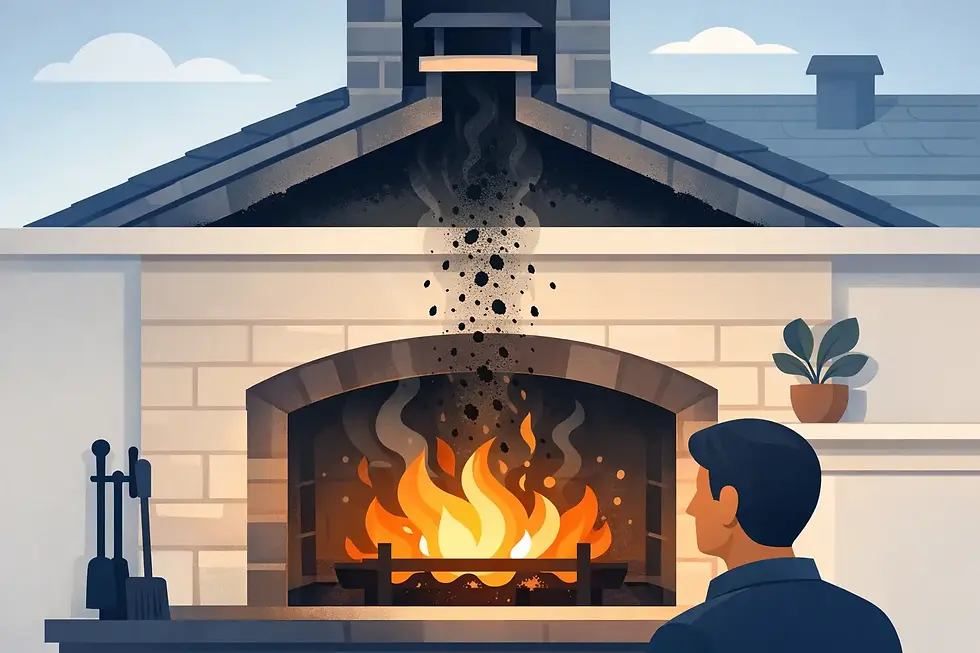
Sweeping the flue is only part of the job. A proper service also looks at what the soot is telling you. Fine grey soot is one thing. Thick black flakes, sticky tar, or bits of masonry are another. Those can point to burning wood that is too wet, a stove being run too cool, a problem with the liner, or damage higher up.
This is where experience really matters. It is one thing to know how to chimney sweep a log burner in theory. It is another to spot the difference between ordinary deposits and signs that the chimney needs more than a brush through.
If your log burner has started to smoke into the room, if the fire is hard to keep in, or if you notice a strong tar smell even when the stove is not lit, sweeping may help but it may not be the whole answer. Poor ventilation, terminal problems, partial blockages and worn stove rope seals can all affect performance.
When DIY chimney sweeping is reasonable
For some households, a careful DIY sweep can be useful between professional visits, particularly if the stove is used lightly and the flue is straightforward. If you are practical, have the right tools, understand your stove, and can work cleanly and safely, it may be a manageable maintenance task.
That said, DIY sweeping is best suited to lighter soot removal rather than diagnosing faults. It also depends on access. If the job involves ladders, roof work, awkward bends, unknown liners or signs of nesting, it quickly becomes less sensible.
There is also the question of proof. Some insurers and appliance guarantees may expect evidence of professional chimney maintenance, especially after a fire-related claim. It is worth checking your policy rather than assuming a DIY sweep will be treated the same way.
When to call a professional sweep
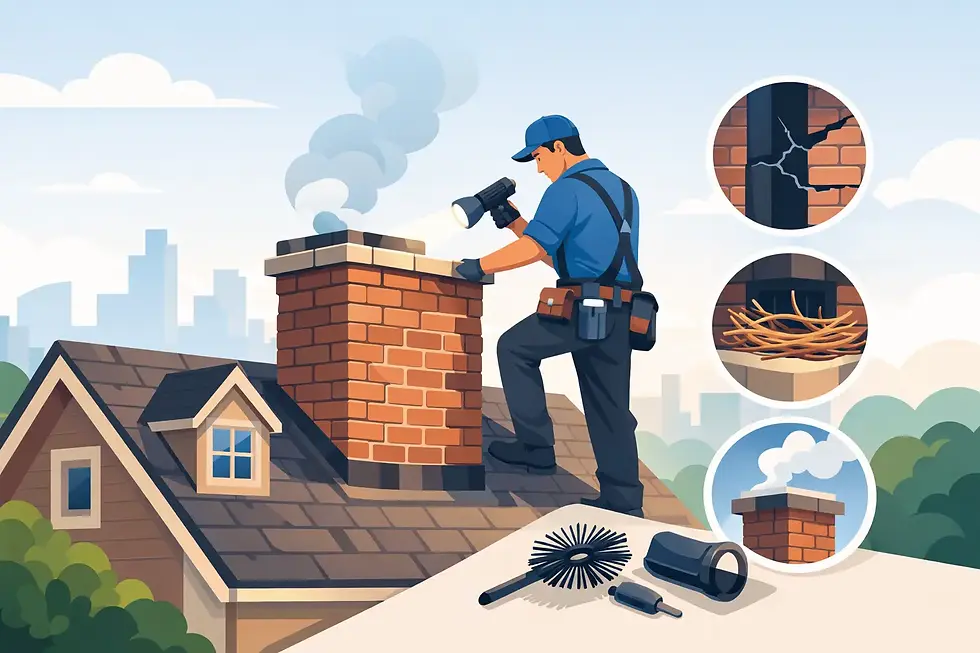
If it has been more than a year since the last sweep, if you burn wood regularly through winter, or if you have just moved into a property with a stove, professional sweeping is the safer route. The same applies if you suspect a bird’s nest, tar glaze, poor draw, a damaged liner, or anything else beyond normal soot build-up.
A professional chimney sweep does more than remove debris. They can assess the condition of the flue, spot wear in stove components, advise on burning practices, and leave the appliance ready to use with far less mess than most householders can manage on their own. In homes where cleanliness and trust matter, that counts for a lot.
For households across Somerset, Dorset and Devon, that reassurance is often the main reason people book a proper chimney service rather than wrestling with rods and soot themselves. A clean, safe and respectful visit saves time, avoids guesswork and gives you confidence when you next light the fire.
How often should a log burner chimney be swept?
It depends on how often you use it and what you burn. As a general rule, a wood-burning stove should be swept at least once a year. If it is your main source of heat and runs daily through the colder months, more frequent sweeping may be sensible.
Burning unseasoned or poor-quality wood leads to faster build-up. Slumbering the stove overnight or running it with too little airflow can do the same because cooler flue gases leave more residue behind. Dry, well-seasoned wood and good burning habits help, but they do not remove the need for regular sweeping.
A useful habit is to pay attention to the stove’s behaviour. If the glass blackens quickly, the fire feels sluggish, or lighting becomes more difficult than usual, it may be time to have the flue checked even if you are not yet at your usual annual date.
Common mistakes when sweeping a log burner chimney
The biggest mistake is using the wrong brush. A mismatch can either clean poorly or cause damage. The second is treating resistance as something to force through. That can separate rods, compact a blockage or harm the liner.
Another common issue is forgetting the stove internals. If baffle plates are removed and not refitted correctly, the appliance will not perform as it should and may become unsafe. There is also the simple but serious mistake of assuming soot is the only concern. Nests, failing mortar, corroded liners and heavy tar deposits are not solved by brushing harder.
And finally, there is mess. Soot has a remarkable ability to find its way onto carpets, curtains and painted surfaces. Professional sweeping equipment is designed to control that. DIY setups often are not.
A cleaner fire starts before the sweep
If you want less build-up between sweeps, burn dry hardwood with a moisture content below 20 per cent, avoid treated or painted timber, and let the stove burn hot enough to keep the flue gases cleaner. Keeping air vents open enough during lighting and refuelling helps too. A stove that is constantly starved of air may seem economical, but it tends to create more soot and tar.
Regular servicing also makes a difference. Rope seals, fire bricks, glass seals and baffles all play a part in how well the stove burns. A chimney can be swept perfectly, but if the appliance itself is worn or incorrectly set up, performance may still disappoint.
If you are weighing up how to chimney sweep a log burner yourself, the best answer is to be honest about the condition of the system, your confidence level, and what is at stake in your home. A stove should feel cosy, not uncertain, and sometimes the most practical job is knowing when to hand it over to someone with the right tools and experience.
Comments