
.png)

Power Sweeping Service for Chimneys Explained
- plamb10
- Jun 27
- 6 min read
Updated: Jul 6
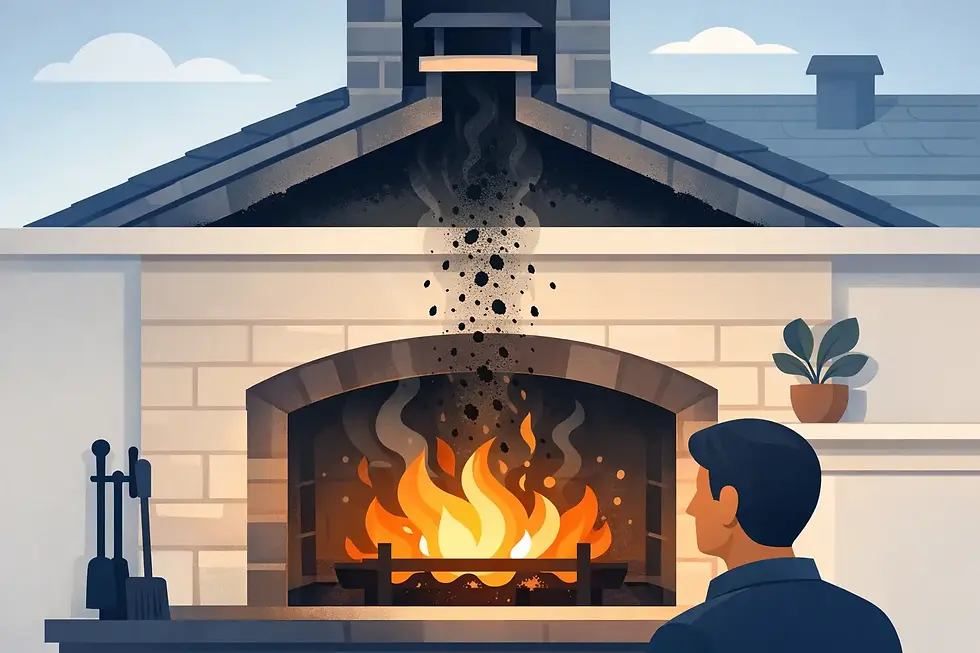
When soot starts dropping into the fireplace, the stove draws poorly, or a room keeps picking up that stale smoky smell, most homeowners know the chimney needs attention. What many do not know is that a power sweeping service for chimneys can be a very effective option, especially where soot, tar, and stubborn deposits have built up beyond what a standard sweep can easily shift.
Power sweeping sounds more dramatic than it is. In practice, it is a controlled, professional cleaning method that uses specialist rotary equipment to clean the flue more thoroughly. Done properly, it is clean, safe, and well suited to many modern stoves and lined chimneys. It is not a replacement for good judgement or experience, though. The right method always depends on the type of appliance, the condition of the flue, and what has built up inside it.
What a Power Sweeping Service for Chimneys Actually Involves
A traditional brush and vacuum sweep uses rods and brushes to remove soot and debris from the flue. Power sweeping builds on that by using rotary equipment with specially selected heads that turn at speed inside the chimney. That rotating action helps break up compacted soot, light creosote deposits, and other build-up that can cling to the flue walls.
For many households, the benefit is not just that the chimney is cleaned. It is that the clean is often more thorough where deposits are stubborn or where the flue has bends, changes in diameter, or awkward sections. This can make a real difference to the way a stove performs afterwards.
That said, power sweeping is not a one-size-fits-all answer. Some chimneys respond perfectly well to a conventional sweep, and in some cases, a sweep may use a combination of methods. A good chimney sweep should choose the approach that suits your chimney, not force every job into the same process.
When Power Sweeping is the Better Choice
If you burn wood regularly, especially unseasoned or less-than-ideal fuel, deposits can build up faster than many people expect. The same goes for households that rely heavily on a stove through the colder months. Tar, flaky soot, and general residue can reduce airflow and increase fire risk if left unchecked.
A power sweeping service for chimneys is often useful when a flue has not been swept for some time, when there is evidence of heavier soot build-up, or when a customer has noticed problems with draw. It can also be a sensible option after a chimney survey has shown deposits that need more than a light routine clean.
You may also benefit from power sweeping if you have moved into a property and do not know the chimney's history. In older homes, especially period properties, chimneys may have seen different fuels, different appliances, and years of varied maintenance. A more thorough clean helps create a clearer starting point.
Why Homeowners Often Notice the Difference
The first thing many people want from any sweep is a straightforward result - a chimney that is clean, safer to use, and not leaving soot where it should not. Power sweeping can help deliver that by cleaning more effectively along the flue walls, which supports better airflow and reduces the material left behind to cause trouble later.
In day-to-day terms, that may mean your stove lights more easily, burns more cleanly, and smells less when not in use. It can also help reduce the chance of blockages forming from soot fall, loose debris, or old nesting material that has been missed in the past.
There is also the housekeeping side of the job, which matters more than many tradespeople admit. Homeowners are right to care about mess. A professional sweep should protect the working area properly, use suitable vacuum equipment, and treat your home with respect. The method may be more advanced, but the aim is still simple - leave the chimney cleaner without turning the room upside down.
Is Power Sweeping Safe for Every Chimney?
This is where experience matters. Power sweeping is very effective, but only when used correctly and on a chimney that is suitable for it. The age of the chimney, whether it is lined, the type of liner, the appliance connected to it, and the condition of the flue all need to be considered.
For example, many modern stove installations with sound flue liners are well suited to rotary sweeping. Older or damaged chimneys may need a more cautious approach. If there are concerns about the structure, a CCTV chimney survey may be the sensible next step before or after sweeping. There is no benefit in cleaning aggressively if the real issue is a cracked liner, a failed joint, or a collapse inside the flue.
A trustworthy sweep will explain this clearly. If power sweeping is not the right option, you should be told so. Recommending the correct service is part of keeping the chimney safe.
Signs Your Chimney May Need More Than a Basic Sweep
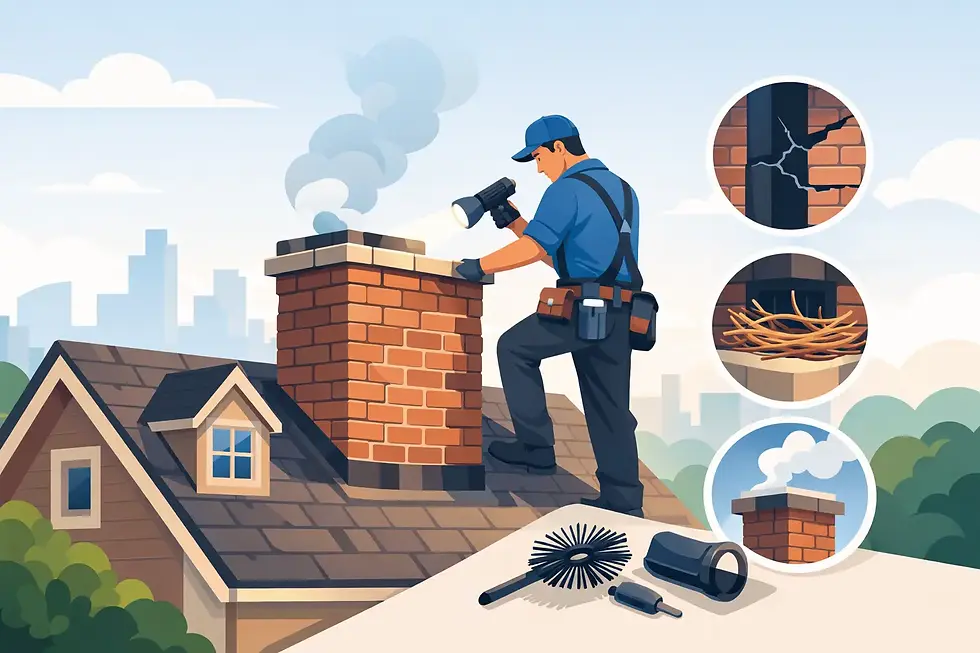
Some problems are easy to spot. Others are quieter, but no less important. If smoke is spilling back into the room, if your fire or stove is struggling to stay lit, or if there is an acrid smell around the fireplace, the chimney may not be clearing properly.
You might also notice black, shiny deposits, especially with wood-burning appliances. These can suggest tar or creosote build-up, which needs careful attention. If birds have nested in the chimney, there may also be compacted material obstructing the flue. In these cases, a standard annual sweep may not be enough on its own.
This is also why regular servicing matters. A chimney that is swept at the right intervals is usually easier to maintain and less likely to develop the sort of heavy build-up that turns a routine visit into a larger job.
Power Sweeping and Stove Care Go Hand in Hand
For households with wood burners and multi-fuel stoves, chimney sweeping is only part of the picture. The appliance itself needs to be considered as well. Baffles, plates, glass, rope seals, and air controls all affect how the stove burns, and poor performance is not always caused by the flue alone.
A good visit is not just about brushing through and leaving. It is about checking what the chimney is telling you. If there is unusual soot, that can point to fuel quality, burning habits, or airflow issues. If deposits are heavier than expected, it may suggest the stove is being slumbered too much or the wood is too wet.
That practical advice is often what homeowners value most. You want someone who will do the job properly, explain anything that needs attention, and leave you feeling confident about using the fire again.
Choosing the Right Chimney Sweep
When someone is working in your home, trust matters. Chimney sweeping may be a specialist trade, but for the customer, it is still about reliability, cleanliness, and feeling comfortable with the person at the door.
Look for a sweep who is properly insured, DBS checked, and trained, and who belongs to a recognised trade body such as the National Association of Chimney Sweeps. Those details are not just badges. They tell you the work is being taken seriously.
It also helps to choose a local service that values clear communication. You should know what is being done, why it is being recommended, and what condition the chimney is left in afterwards. In areas such as Somerset, Dorset, and Devon, many properties have older flues, stove installations, or solid fuel features that benefit from that more personal, experienced approach.
Three Counties Sweeps takes that seriously, with a friendly, respectful service that puts safety and cleanliness first. That means no fuss, no avoidable mess, and no talking over your head.
The Best Results Come from the Right Method, Not the Most Impressive-Sounding One
Power sweeping is an excellent tool, but it is still only a tool. The real value comes from knowing when to use it, when to combine it with other methods, and when a chimney needs further investigation rather than a harder clean.
For many homeowners, that balanced approach is exactly what gives peace of mind. You do not need jargon or scare tactics. You need a professional who will assess the chimney properly, clean it with care, and tell you honestly what condition it is in.
If your stove has not been drawing well, your fireplace smells smoky, or it has been too long since the last sweep, it may be worth asking whether power sweeping is the right option for your chimney. A clean flue does more than improve performance - it helps you use your fire with greater confidence, and that is something every home should have.
Conclusion: Trust in Professional Chimney Care
In conclusion, maintaining your chimney is crucial for safety and efficiency. A power sweeping service can provide the thorough clean your chimney needs, especially when traditional methods fall short. By understanding the signs that indicate a need for more than a basic sweep, you can ensure your home remains safe and comfortable.
Choosing the right chimney sweep is essential. Look for professionals who prioritise your safety and satisfaction. With the right care, your chimney can function optimally, allowing you to enjoy your stove or fireplace without worry. Remember, a well-maintained chimney is not just about cleanliness; it's about peace of mind.
If you’re considering a power sweeping service, don’t hesitate to reach out. A clean chimney leads to a safer home, and that’s a goal we all share.

Comments