
.png)
When to Book a Log Burner Chimney Sweep
- plamb10
- Jul 27
- 5 min read
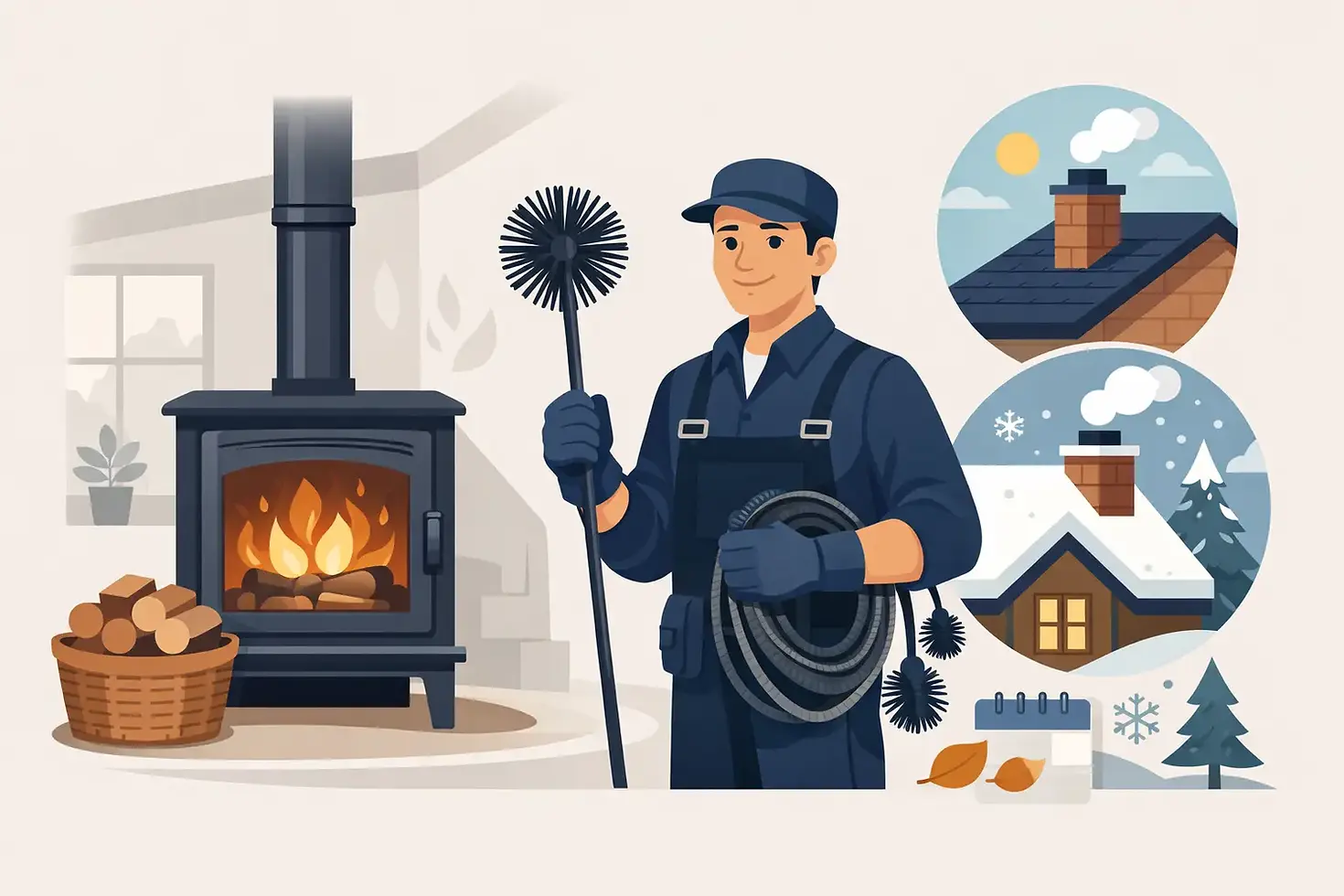
A log burner should feel like one of the safest, cosiest parts of your home, not a source of worry. Booking a regular log burner chimney sweep removes the soot, ash and creosote deposits that build up inside the flue, helping your stove draw properly and reducing the risk of a chimney fire or carbon monoxide problem.
It is easy to put sweeping off when the stove seems to be working well. Yet many issues begin out of sight. A chimney can be partly blocked, heavily coated or affected by a bird’s nest long before there is an obvious problem in the room. Regular care is a simple way to protect your home, your appliance and the people in it.
How often does a log burner chimney need sweeping?
There is no single timetable that suits every household. How often you use your stove, the type and dryness of the wood you burn, the age and shape of the chimney, and the manufacturer’s instructions all make a difference. Your home insurer may also have its own conditions, so it is worth checking your policy.
As a sensible starting point, a log burner used regularly through autumn and winter should usually have its chimney swept at least once a year. If it is your main source of heat, you burn a lot of wood, or you use the stove for long periods most days, more frequent sweeping may be appropriate. Some homes benefit from a sweep before the heating season and a check after a particularly busy winter.
Burning only properly seasoned or kiln-dried wood helps, but it does not remove the need for sweeping. Even clean, dry fuel creates fine soot and ash. Damp wood creates more smoke and tar-like deposits, which can cling to the inside of the flue and build up more quickly.
Signs you should book a log burner chimney sweep sooner
Your annual appointment is not the only reason to call a chimney sweep. If your stove starts behaving differently, it is best not to wait until the next planned service.
A smoky room when lighting the fire, a weaker draw, soot falling into the stove, or a persistent unpleasant smell can all point to a flue that needs attention. Black staining around the stove or fireplace opening may also suggest smoke is not travelling where it should. In damp weather, old soot deposits can give off a particularly sharp smell, even when the burner is not in use.
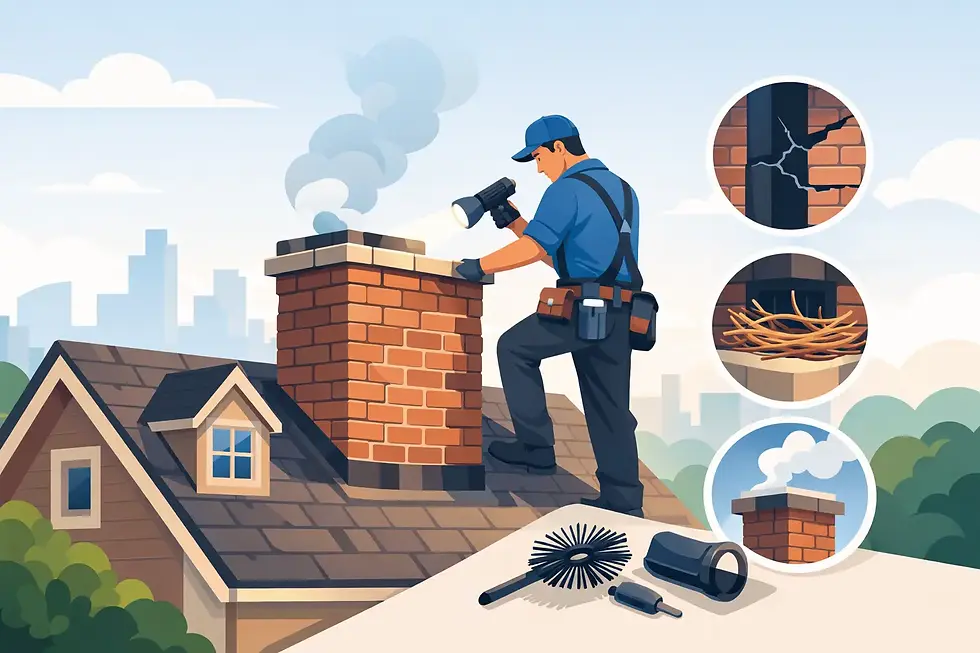
Bird activity around the chimney pot is another reason to arrange a check. Nests, twigs and other debris can restrict the flue, particularly in spring and early summer. Never try to light the stove if you suspect a blockage. A professional inspection can establish what is there and remove it safely where necessary.
If you have had a chimney fire, however small it seemed, stop using the appliance and arrange an inspection. A fire inside the flue can damage liners, mortar joints and components that are not visible from the fireplace.
What happens during a professional sweep?
A proper chimney sweep is not simply a brush pushed up the flue. The right method depends on the appliance, chimney construction and condition of the flue. A professional will first assess the stove and fireplace area, protect the immediate surroundings and explain what they are doing.
For many log burners, brush and vacuum sweeping is an effective approach. Brushes are taken through the flue to dislodge soot, while a suitable vacuum system contains the debris. Power sweeping may be used where the chimney needs a more thorough clean or where the shape of the flue calls for specialist equipment.
The stove, register plate and accessible sections of the flue are checked for signs of excessive deposits, damage or obstruction. If something cannot be properly assessed from the hearth, a CCTV chimney survey can give a clearer view inside. This is especially useful for older properties, newly purchased homes, recurring smoke problems, suspected liner issues or chimneys with bends.
A careful sweep should leave your room tidy. There will always be soot involved in chimney work, but the job should be carried out with protection, containment and respect for your home. You should also receive straightforward advice about anything found, rather than being left to guess whether your stove is safe to use.
Why clean chimneys matter for log burners
Wood smoke contains gases, fine particles and moisture. As it cools in the chimney, it leaves soot and creosote behind. A hot, well-operated stove using dry wood will generally produce fewer deposits than one that is continually shut down to a low, smouldering burn. But every working flue needs maintenance.
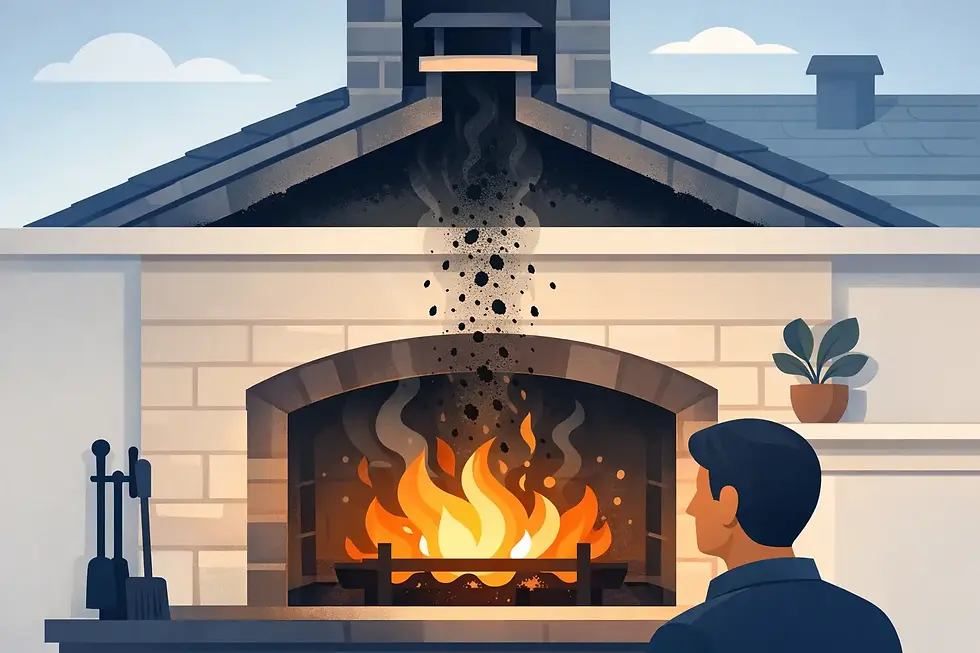
The biggest concern is chimney fire risk. Creosote is combustible, and a build-up can ignite when the flue becomes very hot. Chimney fires do not always look dramatic from outside. They can burn within the flue, sometimes producing a roaring sound, intense heat, sparks or smoke. Even if they go unnoticed, they may weaken a liner or cause damage that needs repairing.
A clear flue also supports better stove performance. When smoke can rise freely, the fire is easier to light and control. You are less likely to have smoke spilling into the room, darkened glass caused by poor combustion, or a fire that struggles to stay alight. Sweeping cannot solve every stove issue, but it removes one of the most common causes of poor draw.
There is also the question of carbon monoxide. This colourless, odourless gas can be produced when fuel does not burn completely. A blocked or poorly functioning flue can increase the risk of combustion gases entering the room. Every room with a solid-fuel appliance should have a working carbon monoxide alarm, fitted and maintained in line with the alarm manufacturer’s instructions and current regulations.
Good habits between chimney sweeps
The best results come from regular sweeping combined with sensible day-to-day use. Choose wood with a moisture content of 20 per cent or below, store it somewhere dry with good airflow, and avoid burning household waste, painted timber, treated wood or wet logs. These can create heavy deposits and release unpleasant fumes.
Try not to run the stove permanently with the air controls closed right down. Slow, smoky burning may seem economical, but it can encourage soot and creosote formation. Follow the stove manufacturer’s guidance on lighting, refuelling and air controls, as each appliance works slightly differently.
Empty ash only when the stove is cold, using a metal container with a lid. Ash can retain heat for much longer than expected. Keep the stove door seals, glass and baffle plates in good condition too. These parts affect how the appliance burns, and a worn seal or displaced baffle can lead to performance problems that a sweep alone will not fix.
It is helpful to keep a record of your chimney sweeping and any work carried out. This gives you a clear maintenance history, can be useful for insurance purposes and makes it easier to spot a recurring issue. If your chimney has a liner, make a note of its age and any observations made during each visit.
Choosing someone you are happy to let into your home
A chimney sweep works inside your living space, often around carpets, furnishings and the stove you use with your family nearby. Technical skill matters, but so do cleanliness, reliability and clear communication.
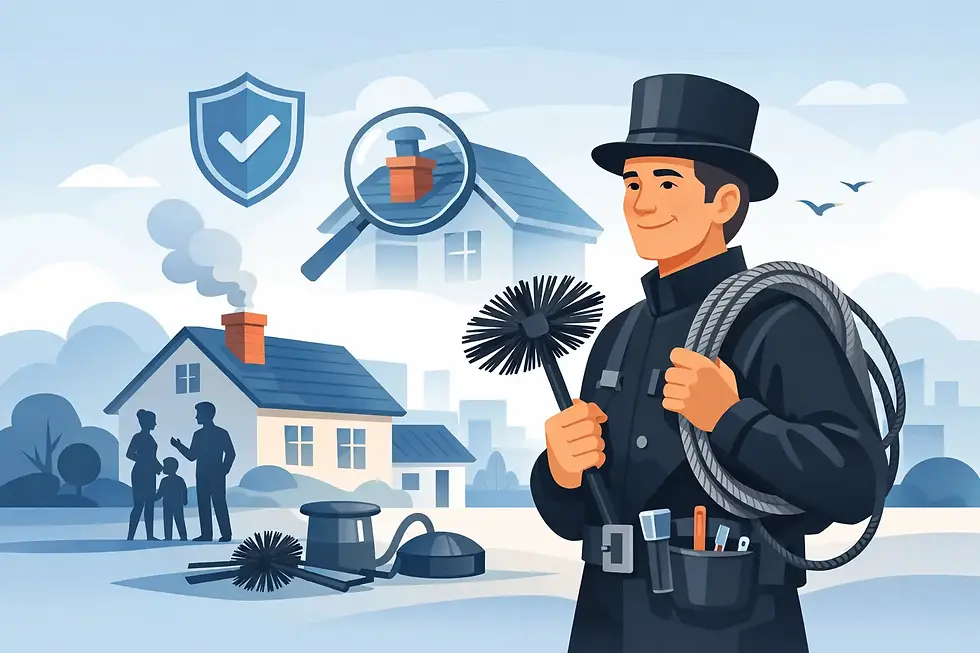
Look for a fully insured sweep with relevant training and recognised industry membership. DBS checking can offer added reassurance, particularly for households where someone may be at home alone during an appointment. A good sweep will arrive as arranged, take care around your home, explain any findings in plain English and never pressure you into work you do not understand.
At Three Counties Sweeps, the aim is to provide that friendly, careful service alongside professional chimney care for homes across Somerset, Dorset and Devon. Whether your burner is used every day or just for weekend fires, the right advice should be based on your chimney, not a one-size-fits-all sales pitch.
Book your sweep before the first cold spell if you can. It is a small household job that brings real peace of mind when you are ready to light the stove again.
Comments