
.png)
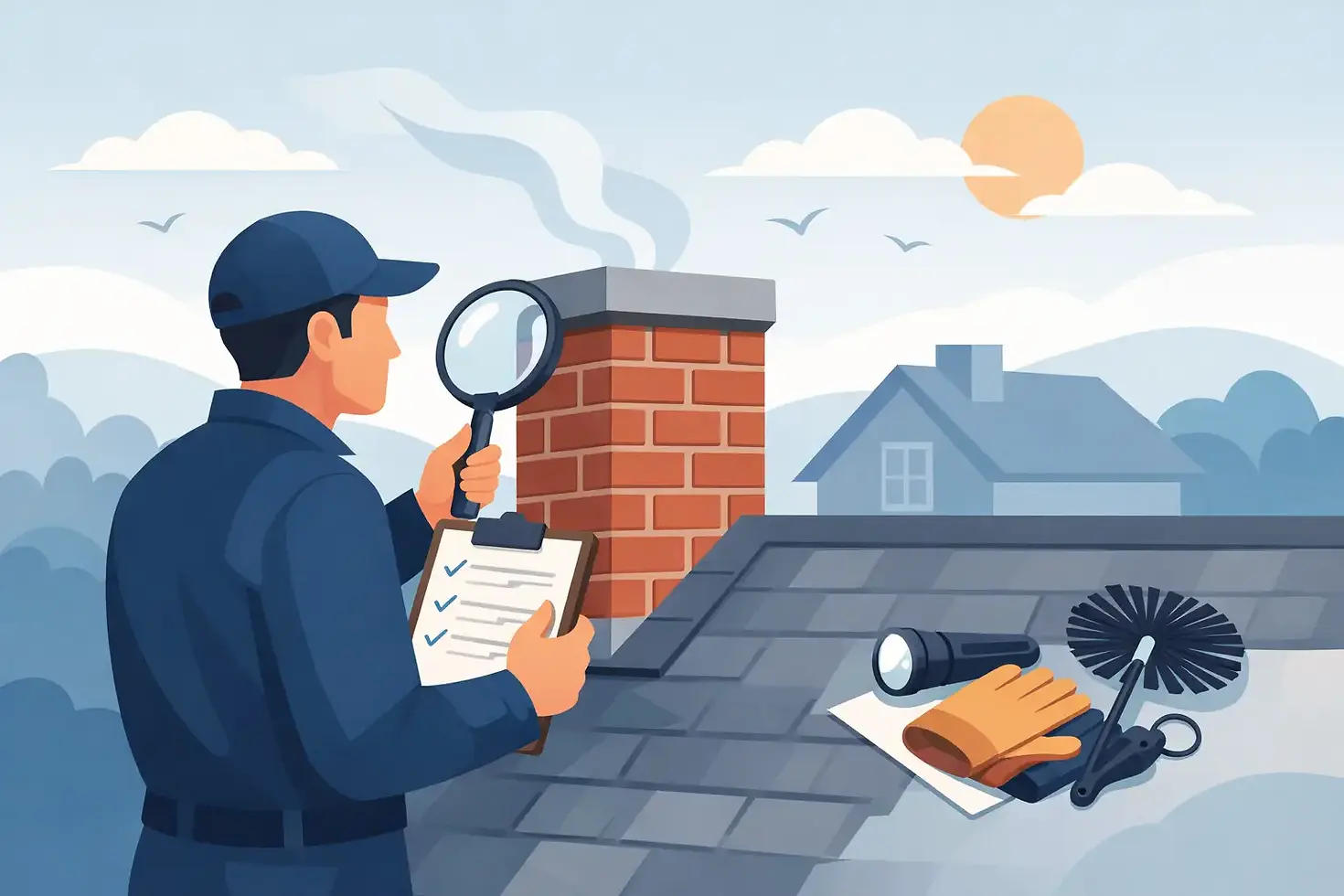
Chimney Inspection Checklist for Homeowners
A smoky room, a strange tar smell, or a fire that never seems to draw properly usually means the same thing - your chimney wants attention. A good chimney inspection checklist helps you spot early warning signs before they turn into mess, inconvenience or a genuine safety issue.
For most homeowners, the tricky part is knowing what you can sensibly look for yourself and what needs a proper professional inspection. You do not need to climb onto the roof or guess what is happening inside the flue. What you do need is a clear idea of what to check, what changes matter, and when it is time to call in a sweep.
Why a chimney inspection checklist matters
A chimney is easy to forget when everything appears to be working. The fire lights, the stove heats the room, and nothing seems obviously wrong. But soot, creosote, bird activity, small cracks and damp problems can build up quietly over time.
That matters for two reasons. The first is safety. Blocked or damaged flues can affect ventilation and increase the risk of chimney fires or fumes entering the room. The second is performance. Even if there is no immediate danger, a chimney that is partially restricted or poorly maintained often causes poor draw, smoky starts, unpleasant odours and extra cleaning indoors.
If you live in an older property, use a wood burner regularly, or have a chimney that sits unused for months and then gets lit in colder weather, routine checks become even more worthwhile. Period homes across Somerset, Dorset and Devon often have chimneys with plenty of character, but they can also hide years of wear.
Your basic chimney inspection checklist
This is not a substitute for sweeping or a CCTV survey where one is needed. It is a practical homeowner check you can carry out from ground level and inside the house.
Check how the fireplace or stove is behaving
Start with the signs you notice during normal use. If fires are harder to light than they used to be, smoke spills into the room, or the appliance does not seem to burn as cleanly, that can point to a blockage, excessive soot build-up or a flue problem.
Pay attention to lingering smells too. A strong sooty or tar-like smell, especially in mild or damp weather, often suggests deposits in the flue or a ventilation issue. It does not always mean a major fault, but it should not be ignored.
Glass blackening quickly on a stove can also be a clue. Sometimes it is down to fuel quality or how the appliance is being run, but sometimes it reflects poor draft or an overdue sweep. It depends on the pattern. A one-off is different from a steady decline in performance over time.
Look for visible soot and debris
Around the hearth or inside the fireplace opening, check for fallen soot, masonry fragments or bits of nesting material. These signs can indicate internal deterioration or a blockage higher up.
With a stove, look around the register plate area and any accessible connection points for excessive residue. You are not taking anything apart here, just looking for obvious signs that the system is shedding material or leaking soot where it should not.
A little dust after use is one thing. Fresh debris appearing when the fire has not been used, or repeated deposits after cleaning, deserves attention.
Check the chimney breast and surrounding walls
Discolouration, damp staining or peeling wallpaper on the chimney breast can point to moisture getting into the stack or flue. That moisture can mix with soot deposits and create strong odours as well as longer-term damage indoors.
Run your eye over the ceiling line too, especially in upstairs rooms or loft spaces near the chimney. Hairline cracks may be harmless movement, but larger or worsening cracks around the chimney area should be checked properly.
Damp problems are often gradual, which makes them easy to dismiss. If the chimney smells musty even when it is not in use, or the wall feels colder and damper than surrounding areas, there may be an issue with the stack, flashing, capping or ventilation.
External signs to look for from the ground
You do not need binoculars and you certainly do not need to get up a ladder. A simple visual check from outside can still tell you a lot.
Inspect the chimney stack for obvious damage
Look for leaning brickwork, missing mortar, damaged pots or anything that appears loose. Stormy weather can be hard on chimney stacks, and small faults have a habit of getting worse if they are left.
If the stack looks sound but there is vegetation growing from joints, that is also worth noting. Plant growth suggests moisture is getting in and mortar may be failing.
Look for signs of birds or blockages
Birds love chimneys, particularly in spring. Twigs, feathers and repeated bird activity around the pot are all clues that a nest may be forming or already established.
A nest can restrict the flue very quickly. Even a partial blockage can affect draw and make lighting difficult. If you suspect nesting material, do not light the fire to test it. Get it checked and cleared properly.
Check terminal guards or cowls if fitted
From the ground, see whether any cowl or bird guard looks damaged, tilted or clogged. These fittings help, but they are not maintenance-free. A bent or blocked cowl can create its own problems.
Signs your checklist has found something serious
Some issues can wait a few days while you book a visit. Others mean stop using the fire or stove until it has been inspected.
Stop using the appliance if smoke enters the room consistently, if you smell fumes strongly indoors during use, if you hear unusual roaring from the flue, or if soot falls in noticeable amounts into the fireplace. The same applies if you suspect a bird nest or blockage, or if you can see obvious structural damage to the stack.
If you have had a chimney fire in the past, even a small one, future inspections should be taken especially seriously. Damage inside the flue is not always visible from outside.
What a professional inspection covers
A proper chimney inspection goes further than a homeowner checklist. Sweeping removes soot, tar and debris that can hide problems. A trained sweep will also notice wear, faults and warning signs that are easy to miss if you are not looking at chimneys every day.
In some cases, a standard inspection and sweep is enough. In others, a CCTV survey is the sensible next step, especially if there are recurring draw problems, suspected damage inside the flue, a change of appliance, or a history you cannot fully verify in an older property.
This is where experience matters. The aim is not to alarm you or suggest work that is not needed. It is to give you a clear picture of what condition the chimney is in and what, if anything, should happen next.
At Three Counties Sweeps, that usually means explaining things plainly, keeping mess to a minimum, and telling you honestly whether you simply need a routine sweep or something more detailed.
How often should you inspect a chimney?
A quick visual check at home makes sense before the main heating season starts and again if you notice any change in how the fire or stove behaves. For professional sweeping and inspection frequency, it depends on use, fuel type and appliance.
A regularly used wood burner will usually need more frequent attention than an open fire used only occasionally. Chimneys attached to solid fuel appliances tend to need closer watching than ones used less often or with cleaner-burning fuels. If the appliance manufacturer gives guidance, that should always be taken seriously too.
The key point is consistency. Annual attention is a sensible baseline for many households, but heavy use may justify more frequent visits.
A few checks homeowners should not attempt
It is sensible to be practical. It is not sensible to put yourself at risk. Avoid climbing onto the roof, removing flue components you are not familiar with, or trying to clear a blockage by guesswork.
The same goes for lighting a fire to "see if it draws through" when you already suspect a nest or obstruction. That can make a bad situation worse very quickly.
A chimney inspection checklist works best when it helps you notice the warning signs early and make a calm decision about the next step. You do not need to become a chimney expert. You just need to know when something has changed.
If your chimney, stove or fireplace is showing signs that are not quite right, trust that instinct. Catching a problem early is usually cleaner, simpler and far less stressful than waiting until the first cold evening when the house fills with smoke.


Comments