
.png)

Fireplace Ventilation for a Safer Home
A fire that struggles to stay lit, sends smoke into the room or leaves the glass on a stove blackened unusually quickly is not simply frustrating. It can point to a fireplace ventilation problem. Your fire needs a reliable supply of air to burn properly, while the chimney needs to carry smoke and gases safely outside. When that balance is upset, comfort and safety can suffer.
For homes with open fires, wood burners and traditional chimneys, getting the basics right makes a real difference. Good ventilation is not about making a house draughty. It is about giving the appliance the air it needs, protecting the chimney’s draw and avoiding the build-up of harmful combustion gases indoors.
What fireplace ventilation actually means
Fireplace ventilation is often used to describe two connected things: the air available in the room for the fire to burn, and the chimney’s ability to remove smoke, fumes and gases. Both must work together.
A chimney works because warm gases rise. As the fire warms the flue, smoke travels upwards and fresh air is drawn towards the fire to replace it. This is known as draw. If the room is very airtight, the chimney is cold, or there is a blockage in the flue, that natural movement can be weakened or reversed.
Modern homes can be particularly prone to a lack of replacement air. Double glazing, insulation, sealed doors and draught-proofing are all valuable for warmth and energy efficiency, but they reduce the gaps through which air once entered naturally. A fireplace or stove may therefore need a purpose-made air vent to operate safely.
The right arrangement depends on the appliance, the property and the chimney. An open fire and a modern room-sealed stove do not have the same requirements, which is why a one-size-fits-all answer is rarely helpful.
Signs your fireplace ventilation may need attention
The clearest warning sign is smoke coming back into the room, especially when lighting the fire or adding more fuel. A little smoke from a cold chimney on a still day can happen, but regular smoke spillage needs investigating rather than putting up with.
You may also notice a fire that is difficult to light, burns slowly despite dry fuel, or seems to improve only when a window is opened. A smoky smell when the fireplace is not in use can suggest a downdraught, damp soot deposits, a blocked chimney or an issue with how air is moving through the house.
Other signs include excessive blackening around an open fireplace, soot building up quickly on stove glass, or a fire that behaves differently when a kitchen extractor fan or bathroom fan is running. These fans remove air from the house, which can create negative pressure and pull smoke or fumes back down a chimney.
Never ignore a carbon monoxide alarm. If it sounds, turn off the appliance if it is safe to do so, get everyone into fresh air and seek urgent professional advice. Carbon monoxide cannot be seen or smelt, and an alarm is an essential back-up, not a substitute for correct ventilation and chimney maintenance.
Why an air vent is sometimes necessary
A permanent air vent may sound like an unwelcome source of cold air, but it has a specific safety job. It provides replacement air so that the appliance can burn efficiently and the chimney can draw properly. In many installations, particularly where a solid-fuel appliance has a higher heat output, dedicated ventilation is required under Building Regulations.
The size and location of the vent matter. It should be calculated for the appliance and property, rather than guessed. Covering, stuffing up or taping over an existing vent may make a room feel warmer in the short term, but it can starve the fire of oxygen and increase the risk of poor combustion and fumes entering the room.
There are ways to reduce discomfort without obstructing airflow. Some vents are designed to direct air away from seating areas, while others include draught-reducing features. If a vent feels excessively cold or causes obvious draughts, ask a suitable installer to assess it. The answer may be a better vent design or a separate issue with the installation, not removing ventilation altogether.
If you have a stove with a direct external air supply, it may take combustion air from outside rather than the room. This can suit newer, more airtight homes, but the ducting and appliance must be correctly specified and installed.
Chimney condition affects ventilation too
A clear chimney is every bit as important as an air supply. Soot, tar deposits, birds’ nests and loose debris can restrict the flue. Even a partial obstruction can reduce draw and make a fire behave unpredictably.
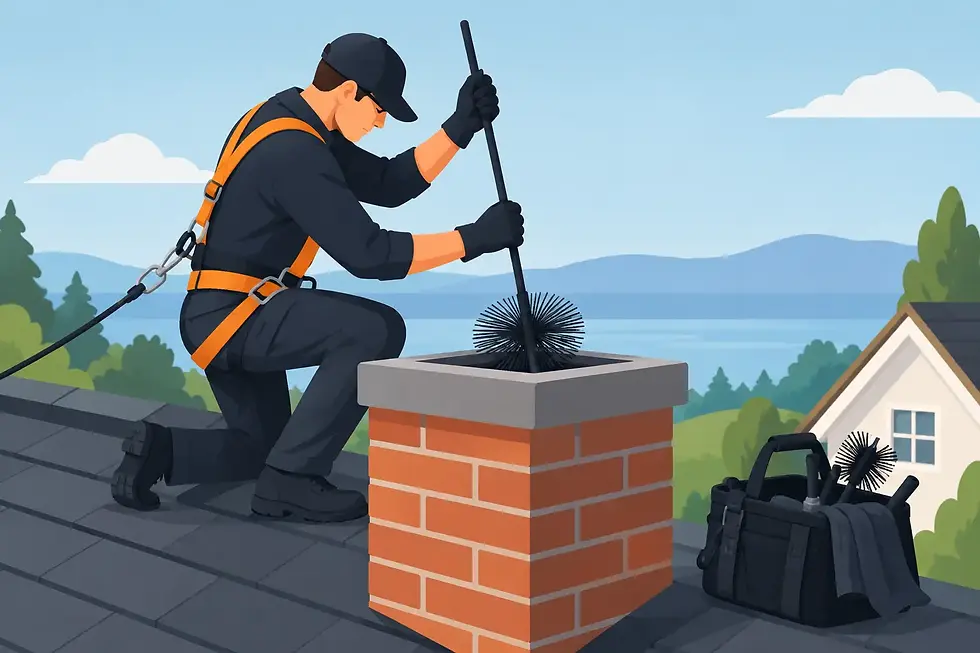
Regular sweeping removes the deposits that build up through normal use and gives a chimney sweep the chance to spot obvious concerns, such as a nest, damaged pot, poor liner condition or signs of damp. For a chimney with ongoing performance problems, a CCTV survey can show what is happening inside the flue without guesswork.
The flue also needs to be suitable for the appliance. A liner that is too large, too small, poorly insulated or damaged may affect how readily the chimney warms and draws. Tall exposed chimneys, common on rural and period properties, can be affected by wind direction and cold weather as well. In those cases, the solution may involve the chimney terminal, liner or appliance setup rather than adding more room ventilation.
Everyday habits that help your fire burn cleanly
Start with dry, suitable fuel. Wet logs create cooler, dirtier smoke, producing more soot and making it harder for the flue to establish a good draw. Use properly seasoned or kiln-dried wood, and store it where air can circulate around it.
When lighting a fire, allow the chimney to warm gradually. A top-down fire lay can help establish a cleaner flame and reduce the initial rush of smoke. Make sure appliance air controls are open as directed by the manufacturer, particularly at the start.
Avoid running a powerful extractor fan while using an open fire unless you know the property has adequate make-up air. If smoke appears when the fan is switched on, stop using both together until the issue has been assessed. Opening a window may provide a useful clue, but it is not a permanent solution where a dedicated vent is needed.
Keep chimney openings and air bricks clear outside too. Leaves, soil, stored items and garden changes can block low-level vents. Indoors, do not place furniture, rugs or decorative covers over purpose-made vents.
When to call a professional
Book professional help if smoke regularly enters the room, the fire will not draw properly, you suspect a blockage, or you have noticed a persistent smoky odour. It is also sensible to arrange an inspection before bringing a long-unused fireplace back into service, after a bird nesting season, or following building work that has made the home more airtight.
A sweep can clean the flue and identify common restrictions. Where the cause is not obvious, a CCTV chimney survey can provide a clearer view of the inside of the chimney. Any changes to vents, liners, stoves or fireplace openings should be handled by an appropriately qualified installer who can assess the full system and the relevant requirements.
For households across Somerset, Dorset and Devon, Three Counties Sweeps can help keep the chimney side of the system clean, checked and working as it should. A clean, well-maintained flue gives you a far better starting point when investigating ventilation concerns.
A fireplace should bring warmth, not worry. If yours smokes, struggles or behaves differently after changes to your home, treat it as a useful warning sign and have the ventilation and chimney checked before the next fire.


Comments