
.png)

How to Keep Fireplace Clean Without the Mess
A fireplace can make a home feel wonderfully welcoming, particularly on a cold Somerset, Dorset or Devon evening. But ash on the hearth, blackened glass and a lingering smoky smell soon take the shine off it. Knowing how to keep the fireplace clean is not about making it look perfect after every fire. It is about a few sensible habits that keep mess manageable, help the appliance burn well and make it easier to spot when your chimney needs professional attention.
Start with a completely cold fireplace
Never clean a fireplace, stove or wood burner while there are still warm embers hidden in the ash. Ash can hold heat for far longer than expected, even when the fire looked out hours ago. Leave the appliance until the following day, ideally for at least 12 to 24 hours after the last fire.
Put on gloves and open a nearby window before you begin. Fine ash is dusty, and a little ventilation makes the job more comfortable. Keep children and pets away while you are emptying the grate or stove.
A small metal ash bucket with a close-fitting lid is the safest place for ash. Do not use a plastic bin, cardboard box or ordinary household waste basket. Once you are certain the ash is fully cold, it can usually be disposed of with household rubbish in line with your local council guidance.
Remove ash little and often
You do not need to empty every last speck of ash after each use. In fact, a very shallow bed of ash can help a wood-burning fire establish itself. The aim is to stop ash building up so high that it restricts airflow beneath the fuel or spills out when you open the door.
For an open fire, remove excess ash from the grate with a small metal shovel and brush. For a stove, use the manufacturer’s instructions as a guide. Some models work best with a small amount of ash left in the base, while others have an ash pan that should be emptied regularly.
Avoid using a normal household vacuum cleaner. Fireplace ash is extremely fine and can damage the filter or be blown back into the room. A specialist ash vacuum cleaner is an option, but only use one designed for cold ash and follow its instructions carefully. For many households, a brush, shovel and metal bucket remain the simplest and most reliable approach.
Keep the surrounding hearth dust-free
Soot travels further than most people expect. After clearing ash, use a soft brush or a damp cloth to wipe the hearth, fireplace surround and nearby skirting board. A damp cloth is better than a dry duster for catching fine soot rather than sending it into the air.
If your hearth is stone, slate or tile, avoid harsh household cleaners. Acidic or abrasive products can mark natural stone and remove protective finishes. Warm water with a small amount of mild washing-up liquid is usually enough for routine cleaning. Test any new cleaner in an inconspicuous spot first, especially on older fireplaces and period surrounds.
Clean fireplace glass before soot bakes on
Stove glass is easiest to clean when it has only a light grey haze. Once thick black deposits have built up, cleaning takes longer and can encourage people to scrub too hard.
Wait until the glass is completely cold, then use a soft damp cloth or kitchen paper. A little fine wood ash on the damp cloth can lift light soot surprisingly well, but do this gently. Do not use gritty coal ash, wire wool, knives or scouring pads, as these can scratch the glass.
For stubborn marks, choose a cleaner made specifically for stove glass and use it sparingly. Spray the cloth rather than the glass where possible, so liquid does not run into door seals or metalwork. Finish with a clean dry cloth.
If the glass blackens quickly after every fire, it is usually a burning issue rather than a cleaning issue. Wet wood, restricted air vents, an overfilled firebox or slow, smoky fires are common causes. Cleaning the glass will improve the view, but changing how you burn will keep it clearer for longer.
Burn the right fuel for a cleaner fire
The cleanest fireplace is one that is burning efficiently. For wood burners and multi-fuel stoves, use properly seasoned or kiln-dried logs with a moisture content of 20% or less. Damp logs use heat to drive off water, creating more smoke, tar and soot in the process.
Store logs under cover with good airflow, raised off the ground where possible. A neat log store is useful, but wood needs air around it to dry. Bringing a small supply indoors a day or two before use can also help surface moisture evaporate.
Do not burn household rubbish, painted or treated timber, MDF, chipboard, pallets, glossy paper or plastic. These materials can release unpleasant fumes and leave harmful deposits in the appliance and flue. They can also create more smoke, which means more cleaning and a greater risk of chimney problems.
Build fires with enough kindling and airflow to get them burning brightly at the start. Once the fire is established, adjust the vents gradually rather than shutting them down too far. A fire that smoulders for hours may seem economical, but it produces more soot and creosote than one burning cleanly at the correct temperature.
How to keep your fireplace clean between services
A simple routine prevents the annual deep clean from becoming an unpleasant job. Once a week during regular use, clear excess ash, wipe the hearth and check the stove glass. Every few weeks, inspect the grate, fire bricks, baffle plate and door seal for obvious damage or heavy deposits.
Keep an eye out for changes rather than trying to diagnose every detail yourself. A fireplace that suddenly draws poorly, sends smoke into the room or produces an unusual smell needs attention. The same applies if you hear debris dropping into the fireplace, notice staining around the chimney breast or find bits of nest material on the hearth.
For open fires, check that the fireguard is clean and in good condition. For stoves, make sure the door closes properly and the rope seal is not flattened, loose or frayed. A poor door seal affects control of the burn and can contribute to dirty glass.
You may also find it helpful to keep a washable hearth rug or mat in front of the fireplace during the heating season. It catches small pieces of bark, ash and kindling debris before they reach the carpet, particularly in busy family homes.
Do not forget the chimney and flue
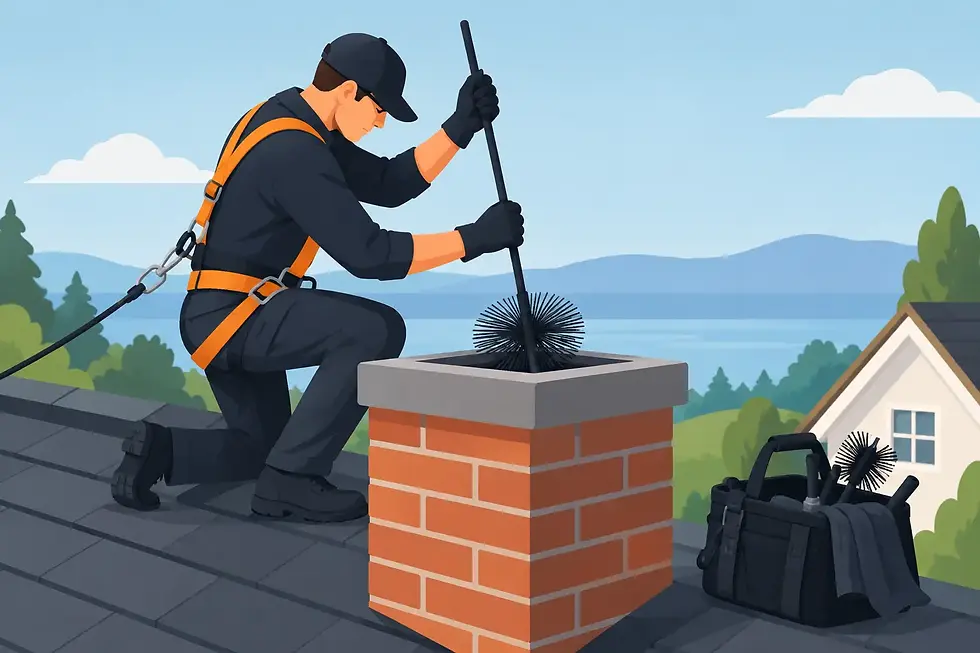
A clean hearth does not necessarily mean a clean chimney. Soot and tar build up inside the flue, out of sight, and this is where professional sweeping matters most. Chimney sweeping removes combustible deposits and helps identify blockages, damaged liners, bird nests and other issues that may affect safe use.
How often a chimney should be swept depends on the appliance, fuel and how frequently it is used. As a general guide, wood-burning and multi-fuel appliances are commonly swept at least once a year, while an open fire burning wood or coal may need more frequent sweeping. If you use your fire heavily through winter, it is sensible to arrange a sweep before the season begins rather than waiting for a problem.
A professional sweep should work cleanly, protect the area around the fireplace and explain any concerns clearly. At Three Counties Sweeps, the focus is on leaving homes tidy while giving householders straightforward advice about the condition of their chimney and fireplace.
Signs you should book a chimney sweep sooner
Do not wait for the usual service date if smoke is entering the room, the fire is difficult to light, or there is a strong tarry smell from the fireplace. A reduced draw can be caused by soot build-up, a nest, debris or another obstruction. Black marks around the fireplace opening, flakes of soot falling into the room and persistent fumes are also reasons to stop using the fire until it has been checked.
Carbon monoxide alarms are another essential safeguard wherever solid fuel is burned. Fit an alarm in the same room as the appliance in line with the manufacturer’s siting instructions, test it regularly and replace it by its expiry date. An alarm is not a substitute for sweeping, but it provides an important warning if combustion gases enter the room.
A cleaner fireplace is usually a better-burning one
There will always be a little ash and soot when you enjoy a real fire. The goal is not to remove every trace of it, but to keep deposits under control with dry fuel, good burning practice and gentle regular cleaning. When the hearth is tidy, the glass stays clearer and the chimney is swept at the right intervals, your fireplace is much easier to enjoy with confidence.
Before lighting the first fire of the colder season, take ten minutes to clear the hearth, check the alarm and look over the appliance. It is a small routine that helps make the first evening by the fire feel exactly as it should: warm, calm and comfortably fuss-free.


Comments