
.png)
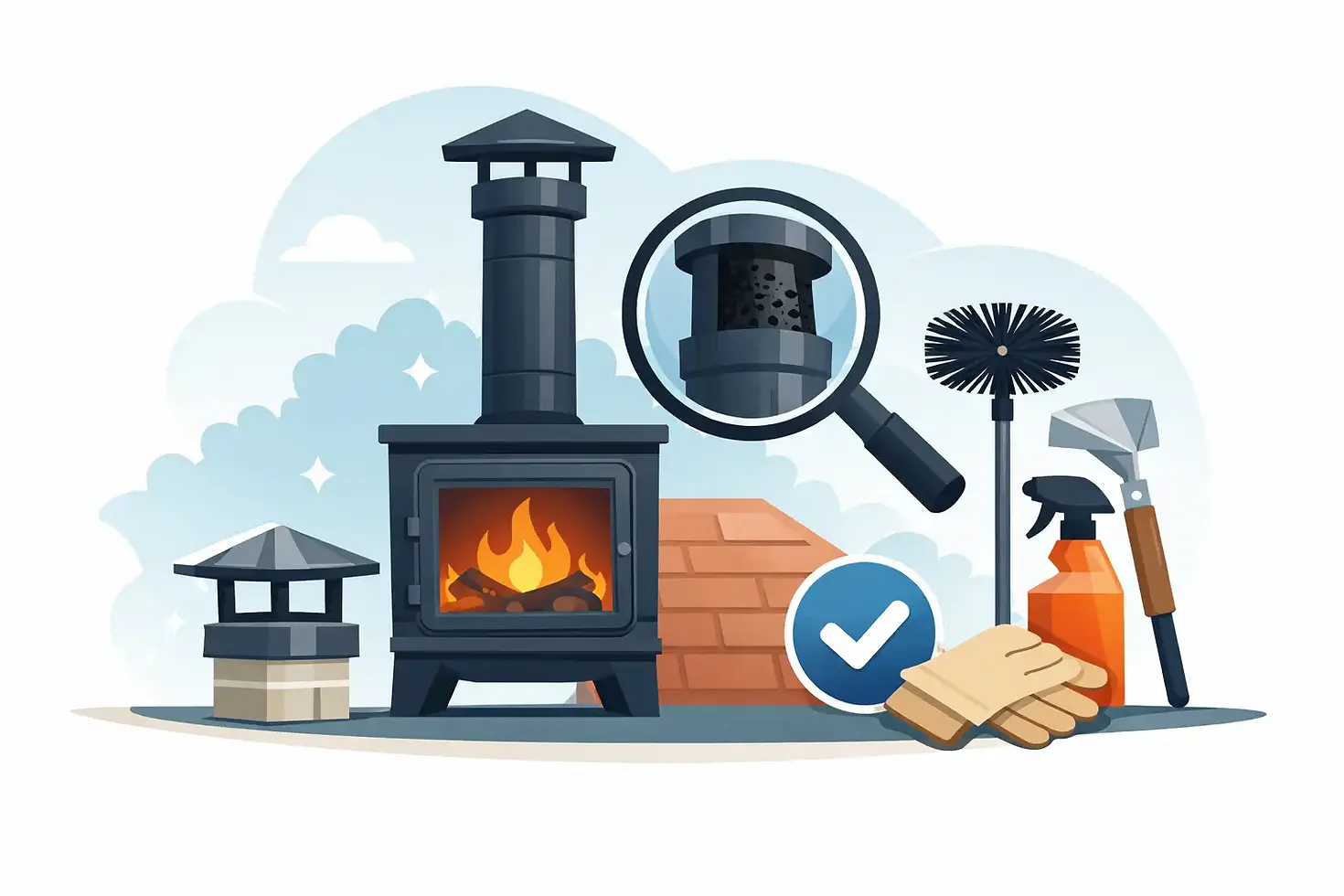
Wood Burner Chimney Care Made Simple
- plamb10
- Jun 1
- 6 min read
A wood burner can feel like the heart of the house in winter, right up until it starts drawing badly, leaving smoky smells in the room or dropping soot where it should not. Good wood burner chimney care is what keeps that from happening. It is not just about keeping things tidy. It is about safety, clean burning and making sure your stove works as it should when you need it most.
Most homeowners do not need a lesson in chimney engineering. What they do need is a clear sense of what matters, what can wait and what needs professional attention. That is where a sensible approach makes all the difference.
Why wood burner chimney care matters
Every time you light your stove, the chimney is doing the hard work of carrying smoke, gases and tiny particles safely out of your home. Over time, soot and creosote build up inside the flue. If that build-up is left too long, it can restrict airflow, affect how well the stove burns and increase the risk of a chimney fire.
There is also the less dramatic side of the problem, which is often what people notice first. A neglected chimney can cause poor draw, smoke blowback, stale odours and mess around the appliance. Sometimes birds choose the chimney pot as a nesting place in spring, which can block the flue almost completely. In older properties or homes with lined chimneys, wear and tear can create faults that are easy to miss without the right checks.
In short, chimney care is part safety check, part performance check and part preventative maintenance. A well-maintained flue helps your wood burner burn more efficiently and more cleanly, which is better for your home and easier on the appliance itself.
The signs your chimney needs attention
Some issues are obvious. Others creep up slowly and are easy to ignore until they become a bigger job.
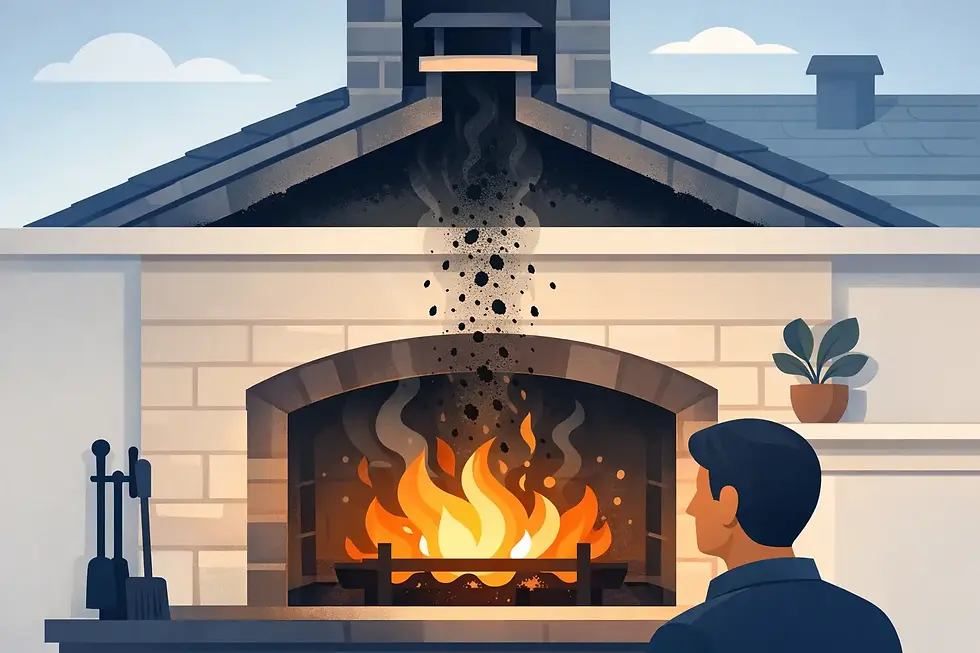
If your stove is harder to light than usual, if smoke is entering the room when the door is opened, or if the fire never seems to get going properly, the chimney may not be drawing well. If you notice a stronger sooty smell even when the stove is not lit, that can point to deposits in the flue or poor ventilation. Dark flakes or soot falling into the fireplace opening are another clear sign.
Then there are the warning signs outside the room itself. A chimney that has not been swept for a long time may produce excessive smoke, leave more residue on the stove glass or burn through fuel without giving the heat you expect. None of these signs proves one single cause, because stove performance depends on fuel quality, airflow and appliance condition as well, but they are enough to justify a proper check.
How often should a wood burner chimney be swept?
This is where the honest answer is that it depends. The usual guidance for a wood-burning appliance is at least once a year, but many households benefit from more frequent sweeping. If you use your stove every day through autumn and winter, twice yearly can be the better option. If you burn a lot of resinous wood, use lower-quality fuel or rely on the burner as a main heat source, deposits can build faster.
On the other hand, a stove used only occasionally may not need the same frequency, though leaving it too long is rarely worth the risk. Regular sweeping is not simply about removing soot. It also gives a professional the chance to spot early signs of blockages, damaged liners, birds nests and other problems before they turn into expensive repairs.
For many homes, the best routine is to book a sweep before the main heating season and then adjust from there based on how heavily the stove is used.
Good habits make a real difference
A sweep is essential, but day-to-day use matters too. One of the biggest factors in chimney health is the wood you burn. Wet or unseasoned logs create more smoke and more deposits because they burn at a lower temperature. Properly seasoned or kiln-dried wood burns hotter and cleaner, which helps reduce soot and creosote build-up.
Air supply matters as well. Slumbering a stove for long periods with very little oxygen may seem economical, but it often leads to a dirtier burn and a dirtier flue. A lively, efficient fire is usually better for the chimney than a smoky, starved one. Using the stove as the manufacturer intended, rather than trying to make one load last for hours, tends to keep things cleaner.
It also helps to keep an eye on the stove itself. If the glass blackens quickly, if ash is building up unusually fast or if you are constantly struggling to keep the fire going, that is useful information. These small clues often appear before a more obvious chimney problem develops.
What professional wood burner chimney care includes
A proper chimney service is about more than running a brush through the flue and heading for the door. A good sweep will work cleanly, protect the room, remove soot deposits thoroughly and check for anything that looks unsafe or out of order.
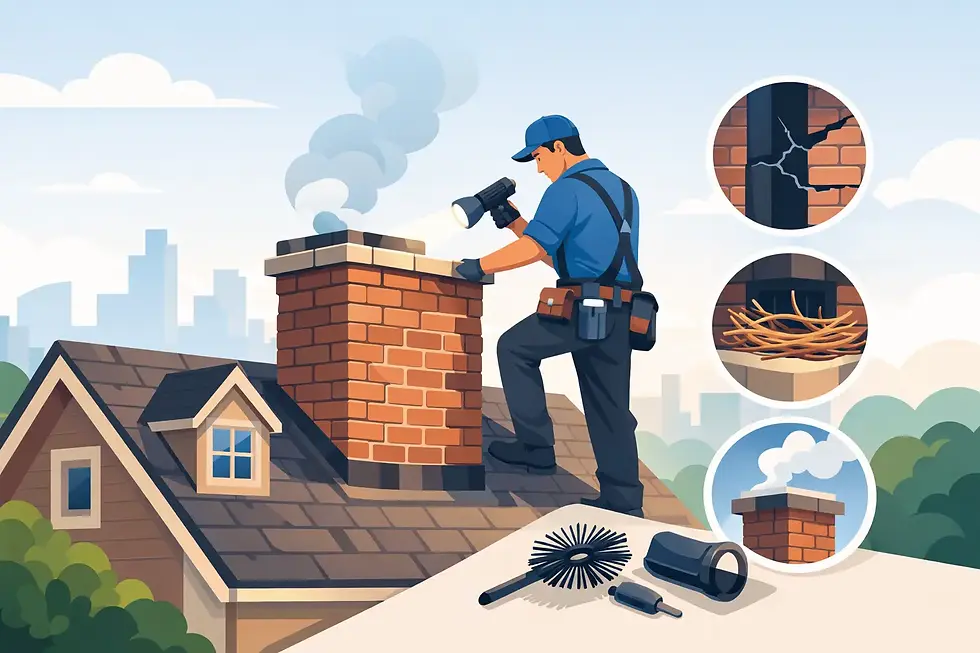
Depending on the chimney and the issue, that may include traditional brush and vacuum sweeping or power sweeping for a more thorough clean in stubborn cases. If there is a suspected blockage, CCTV chimney surveys can be invaluable. They allow the inside of the flue to be inspected properly, which is particularly useful if there are ongoing draw issues, signs of internal damage or uncertainty about the condition of a liner.
Birds nest removal is another common part of chimney care, especially as the seasons change. Nests are not just inconvenient. They can seriously obstruct the flue and make lighting the stove dangerous.
Just as important as the technical side is how the service is carried out. Homeowners quite rightly want someone who respects their property, explains the findings clearly and leaves things clean. That peace of mind matters as much as the sweep itself.
When a simple sweep may not be enough
Sometimes the chimney is not the whole problem, even if the symptoms point that way. A poorly drawing stove can be linked to fuel moisture, incorrect operation, room ventilation or issues with the flue design. In some homes, especially period properties or houses that have been altered over the years, the system may have quirks that only show up in certain weather conditions.
That is why there is no one-size-fits-all answer. One chimney may simply need regular sweeping and better burning habits. Another may need a camera inspection to check for damage, a terminal issue or a partially collapsed liner. The key is not guessing for too long. If the same problem keeps coming back, it is usually worth investigating properly rather than hoping the next fire will somehow fix it.
Choosing a chimney professional you can trust
Inviting any tradesperson into your home is a matter of trust, and chimney work is no different. It helps to choose someone who is fully insured, DBS checked and properly trained, with recognised industry membership behind them. Those details are not just nice extras. They show that the work is being taken seriously.
You also want a service that feels straightforward. Clear communication, reliable appointments and a clean, careful approach count for a lot, especially in busy family homes. If someone can explain what they have found in plain English and tell you honestly whether you need further work or simply routine maintenance, that is usually a good sign.
For households across Somerset, Dorset and Devon, that local, dependable service matters. A chimney is one of those parts of the home that is easy to forget until there is a problem, so it helps to have a trusted sweep to call before the winter rush starts.
A sensible routine for safer stove use
The easiest way to stay ahead of chimney problems is not to leave everything until the stove starts misbehaving. Burn dry wood, use the appliance properly, pay attention to changes in smell or performance and book regular sweeping based on how often you use it. If something does not seem right, especially repeated smoke problems or signs of blockage, get it checked.
At Three Counties Sweeps, that is very much how we see it - sensible maintenance, clean workmanship and honest advice, so you can enjoy your wood burner without second-guessing what is happening up the chimney.
A well-looked-after chimney rarely demands attention in dramatic ways. It simply lets your stove do its job safely, cleanly and with far less fuss when the cold weather arrives.
Comments