
.png)
CCTV Chimney Survey Found a Blockage? What Next
- plamb10
- Jul 17
- 5 min read
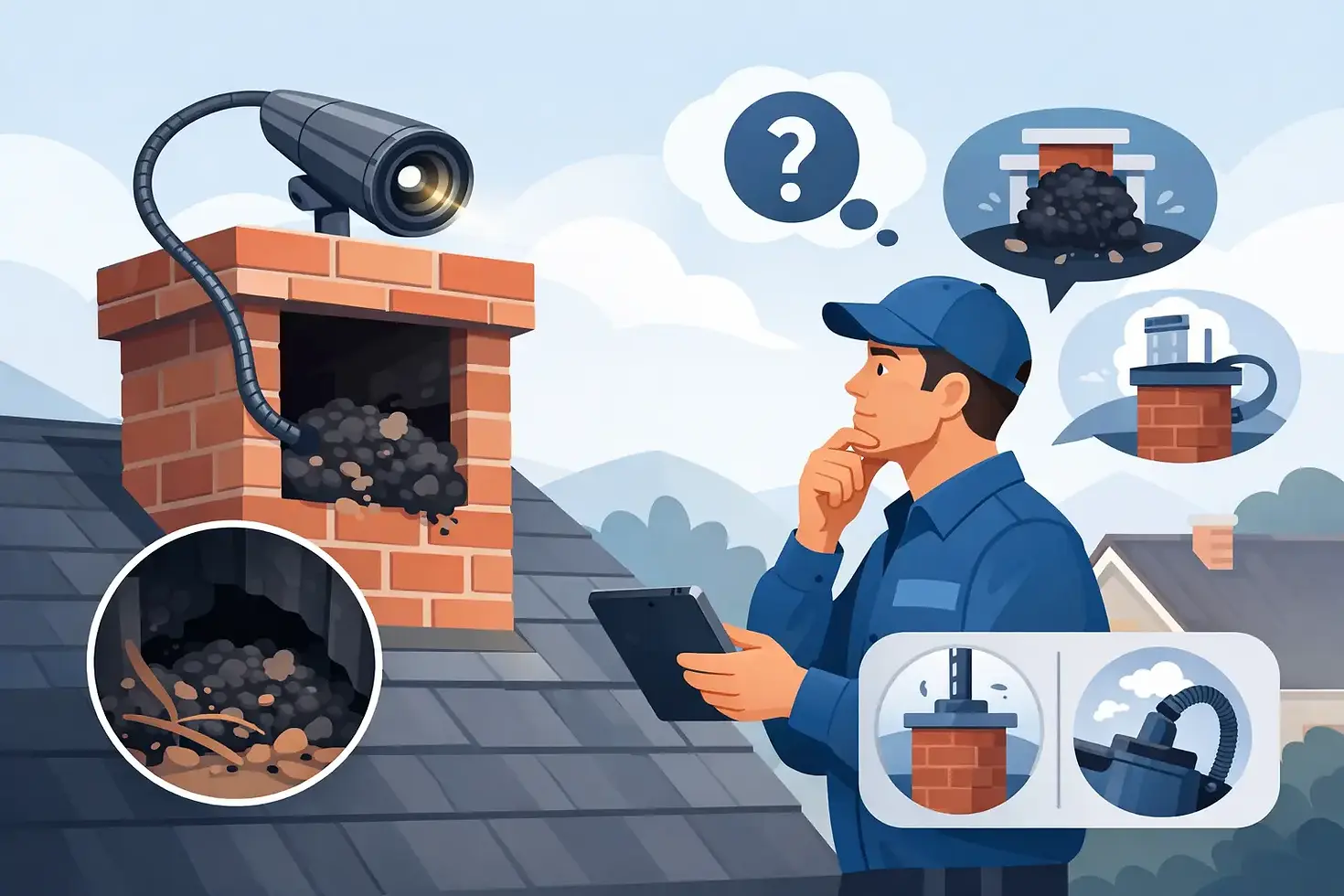
A CCTV chimney survey found a blockage in your flue - understandably, that can sound worrying. The reassuring part is that the camera has done exactly what it should: it has shown what cannot safely be seen from the fireplace or chimney pot. The next step is to identify the material, remove it properly where possible, and check that the flue is clear before using your fire or stove again.
A blockage does not always mean major chimney work. It could be a bird’s nest, fallen soot, a build-up of debris or an object lodged in the flue. Equally, the survey may reveal a fault in a liner or chimney that needs a more considered repair. A clear explanation from a chimney professional will help you understand which applies to your home.
Why a CCTV chimney survey finds blockages
Traditional brush and vacuum sweeping remains essential maintenance, but a camera survey gives a view inside the full length of the flue. This is especially useful where a sweep has met resistance, there is a recurring draught problem, or an appliance has begun to smoke back into the room.
The camera can help establish where the obstruction is, how extensive it appears to be and whether the flue itself looks sound around it. In a tall property, an older cottage or a chimney with bends, that information is valuable. It avoids guessing and helps ensure the right work is carried out rather than simply repeating a sweep that has not addressed the cause.
A CCTV survey may also be sensible before a stove is installed, after a chimney fire, when buying an older property, or if a fireplace has been unused for years. Chimneys can look perfectly fine from the outside while hiding problems within the flue.
What could be blocking your chimney?
The cause matters because the safest removal method depends on what the camera shows. A loose soot blockage may clear during thorough power sweeping, while a tightly packed nest or damaged liner needs different treatment.
Birds’ nests and natural debris
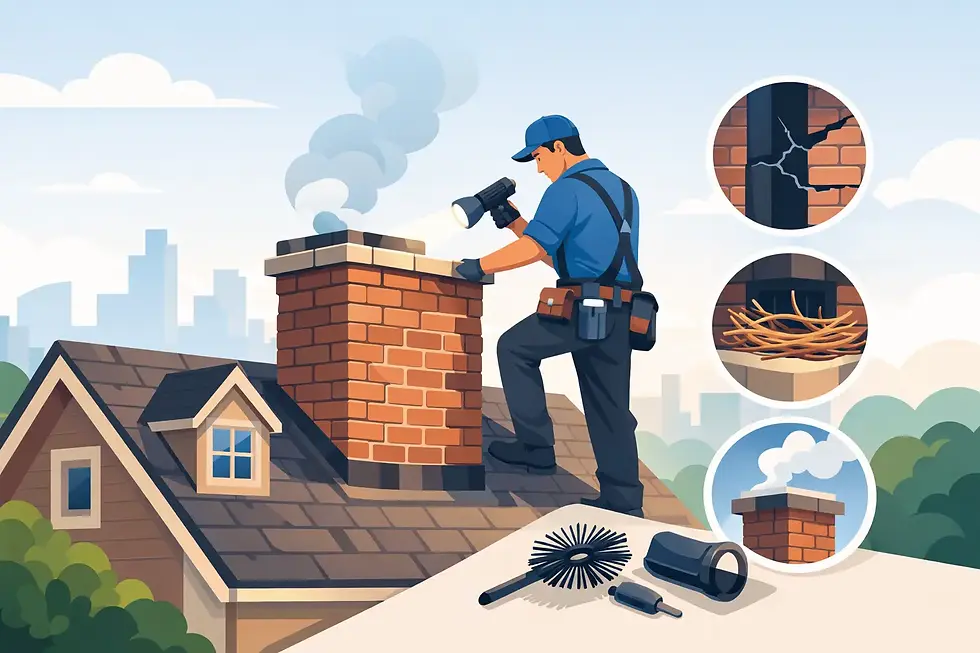
Birds often choose warm, sheltered chimney pots, particularly in spring. Nests can be made from twigs, moss, leaves, feathers and mud, and can fill a surprising amount of a flue. Jackdaws are frequent visitors to chimneys locally, although other birds may also cause problems.
A nest may be partly removed during sweeping, but it is important to make sure the full route is clear. Leaving material further up the flue can restrict the draw and create a fire risk. Once cleared, a suitable bird guard can help prevent a repeat, provided it is correctly fitted and does not restrict the chimney’s ventilation.
Fallen leaves, mortar fragments and small pieces of debris can also enter through an unprotected chimney pot. These are more likely after storms or where the stack is ageing.
Soot, tar and creosote deposits
Burning damp wood, using unsuitable fuel or running a stove too slowly can create heavy deposits inside the flue. Soot is often removed as part of routine sweeping, but thick tarry deposits can be stubborn. They may narrow the flue enough to affect performance even before it becomes completely blocked.
This is one reason regular sweeping and burning properly seasoned wood make such a difference. A chimney is not self-cleaning, even if the stove seems to be working normally.
A liner problem or masonry fault
The survey may show a collapsed, displaced or deteriorating flue liner. In an unlined chimney, it could reveal loose masonry or a narrowing caused by internal damage. These are not jobs to solve by forcing more brushes through the flue.
If the chimney structure or liner is compromised, using the appliance could allow smoke, fumes or heat to escape where they should not. A specialist may recommend further investigation, repair or relining, depending on the age and condition of the chimney.
An object lodged in the flue
Occasionally, a survey finds something unexpected: a piece of old fireplace material, a dislodged cowl, nesting material caught on a bend, or debris left from earlier building work. The camera helps distinguish an isolated object from a more widespread problem and guides the safest way to retrieve it.
Do not use the fire until the blockage is dealt with
If a CCTV chimney survey has identified a blockage, do not light the open fire, wood burner or multi-fuel stove until the flue has been cleared and checked. Even a partial obstruction can interfere with the natural draw that carries smoke and combustion gases safely outside.
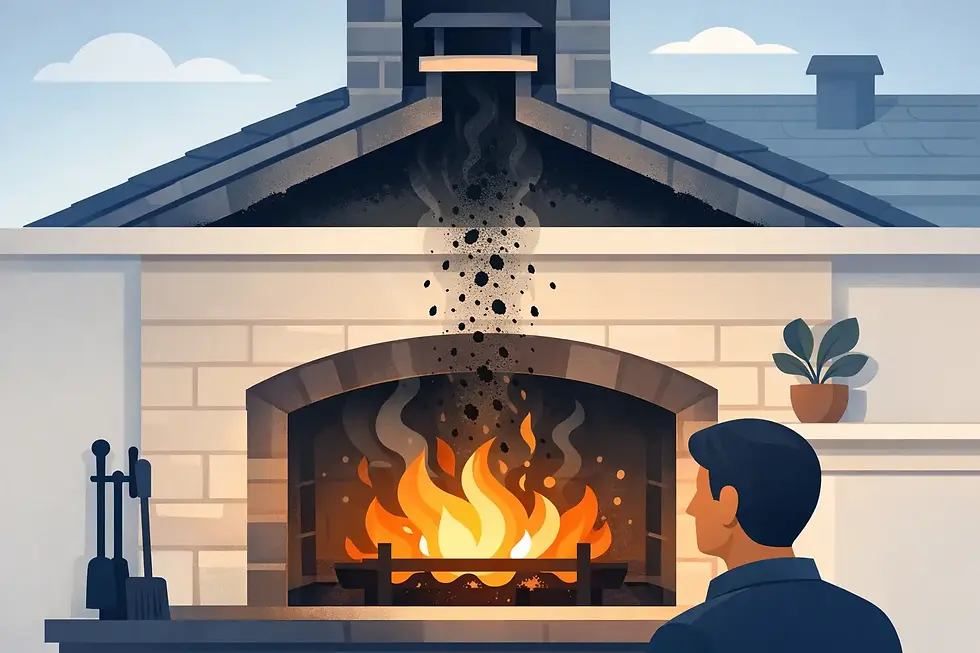
Warning signs can include smoke entering the room, a weak or slow-starting fire, black marks around the fireplace, unpleasant smells, soot falling into the hearth, or a carbon monoxide alarm sounding. Never ignore a carbon monoxide alarm. Leave the property if you feel unwell or the alarm activates, follow the alarm instructions, and seek appropriate emergency help.
A blockage can also increase the risk of a chimney fire where soot or tar deposits are involved. It is far better to pause using the appliance than hope the issue will clear itself with the next fire.
What happens after a blockage is found?
The right next step should be based on the survey footage and the appliance you use. In many cases, the chimney can be cleared with appropriate sweeping equipment, including power sweeping where suitable. The chimney should then be checked again to confirm the flue is open from fireplace to pot.
For a nest, the work may involve careful removal from above, below or both, depending on its position and how tightly it is packed. Wildlife protection rules can apply, particularly during nesting season, so the situation must be assessed carefully rather than rushed.
Where the blockage is linked to liner damage, loose masonry or a chimney defect, clearing the obstruction is only part of the job. The underlying issue needs attention before the appliance is put back into service. A good survey provides useful evidence for the next tradesperson and can prevent unnecessary work based on assumptions.
After clearance, ask for straightforward advice on whether a bird guard, repairs, a change in fuel habits or a more regular service interval would help. The best solution is not always the most complicated one. It depends on the condition of the chimney, the type of appliance and what caused the blockage in the first place.
How to reduce the chance of another blockage
Regular sweeping is the foundation of chimney care. How often you need it depends on what you burn and how regularly the appliance is used. Wood, smokeless fuel, coal and oil systems have different requirements, so it is worth discussing your household’s use rather than working to a one-size-fits-all timetable.
Use dry, suitable fuel and avoid burning household waste, treated timber or wet logs. These can create excess deposits and can damage both your appliance and flue. Keep an eye on chimney pots after high winds, particularly if your property is surrounded by trees.
If birds have previously nested in the chimney, prevention is worth considering before the next nesting season. A correctly chosen guard can be helpful, but it should be installed with the chimney’s draw and maintenance needs in mind. It must also remain accessible for sweeping.
For homeowners across Somerset, Dorset and Devon, Three Counties Sweeps can use CCTV chimney surveying alongside professional sweeping to give a clear picture of what is happening inside the flue. You should never be left wondering whether a blockage has been properly dealt with.
A chimney blockage is a problem best handled early and calmly. Once the cause is known and the flue has been safely cleared or repaired, you can enjoy your fire again with much greater confidence.

Comments