
.png)

Professional Sweep vs Sweeping Logs
- plamb10
- Jun 7
- 6 min read
If you have been wondering about professional sweep vs sweeping logs, the short answer is this: they are not the same job, and one is not a proper replacement for the other. Sweeping logs are sold as a simple fix, but a chimney that carries smoke, soot and hot gases through your home deserves more than a shortcut.
For many homeowners, the appeal is easy to see. You put a log on the fire, let it burn, and hope it loosens soot and creosote enough to keep the flue clean. It sounds tidy, quick and far cheaper than booking a visit. The trouble is that chimney safety is rarely that simple.
Professional sweep vs sweeping logs - what is the real difference?
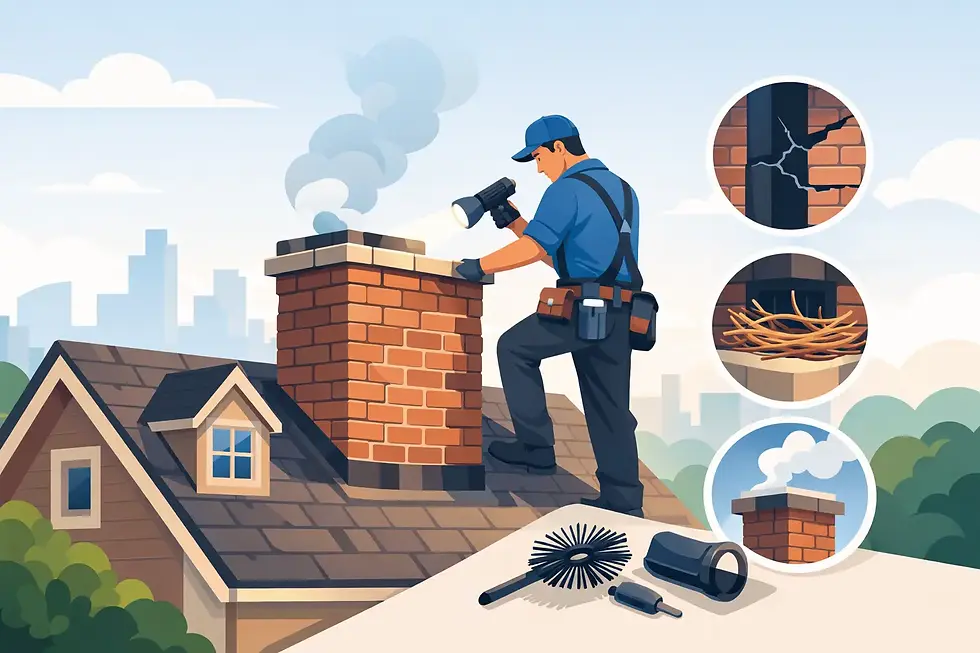
A professional chimney sweep physically removes soot, tar deposits and blockages from the flue using the right equipment for the appliance and chimney type. That may involve traditional brush and vacuum sweeping, power sweeping, and in some cases a CCTV inspection if there is concern about damage or an obstruction. Just as important, a proper sweep is checking what is going on inside the chimney rather than guessing from the fireplace opening.
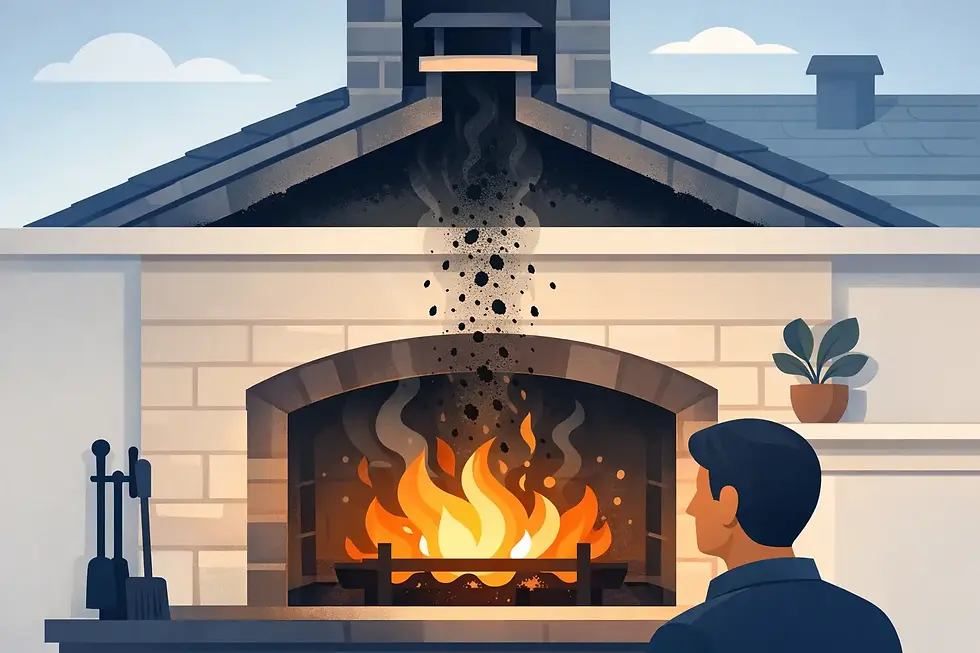
A sweeping log works very differently. It burns with chemical additives that are meant to dry out or loosen some of the deposits lining the flue. In theory, that sounds useful. In practice, it is limited. It may affect lighter build-up in some chimneys, but it does not fully remove soot, heavy tar, bird nests, fallen masonry or other debris. It also does not confirm whether the flue is sound, whether there are cracks, or whether the chimney is drawing properly.
That is the biggest gap between the two. One is a maintenance product with limited reach. The other is a hands-on service that actually clears the chimney and checks it is safe to use.
Why sweeping logs sound better than they usually are
Manufacturers tend to market sweeping logs as a way to reduce chimney deposits and improve performance. Some homeowners read that and understandably assume they can skip a proper sweep. That is where problems start.
The deposits inside a chimney are not all the same. Fine soot can behave very differently from sticky tar or glazed creosote. A sweeping log may help dry out some residue, but if the chimney has a meaningful build-up, especially from wood that has not been properly seasoned or from low, slumbering burns, that build-up still needs to be removed. Loosened debris can also fall into the appliance or gather on a shelf inside the flue, where it still needs clearing.
There is also a false sense of reassurance. If the fire seems to burn normally after using a sweeping log, it is easy to assume the chimney is clean. But chimneys can still have restricted passages, hidden nests, partial blockages or tar deposits higher up where you cannot see them. A fire drawing reasonably well is not the same as a chimney being clean and safe.
What a professional sweep actually gives you
When you book a professional chimney sweep, you are not just paying for someone to brush soot about. You are paying for removal of deposits, a cleaner working area, and experienced eyes on a part of your home that most people never see.
A proper sweep can identify issues that a product from the shop simply cannot. That includes bird activity, damaged liners, excessive tar, signs of poor combustion, and blockages caused by rubble or nesting material. If your stove is not performing well, your room is getting smoky, or you have noticed unusual smells, those clues matter.
There is also the practical side. A good sweep works cleanly, protects the room, uses suitable equipment and explains what has been found in plain English. For many households, that matters as much as the cleaning itself. When someone is coming into your home, you want them to be careful, respectful and properly insured.
Can sweeping logs help at all?
They can have a place, but only if expectations are realistic. A sweeping log might be used between professional visits as a supplementary product, not as a replacement for chimney sweeping. In some cases it may help reduce light soot deposits or dry out minor tar build-up. That is the best-case version.
Even then, it depends on what you burn, how often you use the fire, how hot you run it and the condition of the chimney. If you burn damp wood, use the stove heavily through winter, or have an older flue, a sweeping log is unlikely to deal with the real problem. If the chimney already has significant build-up, using a sweeping log will not make that disappear.
So yes, it may have limited value in some homes. But it is not a substitute for a person actually inspecting and sweeping the flue.
When a sweeping log is definitely not enough
There are times when relying on a sweeping log is simply the wrong call. If you have not had the chimney swept in a long while, if the fire is smoking back into the room, if there is a strong sooty smell, or if you suspect birds have nested in the chimney, you need a proper service.
The same goes for anyone using a wood burner or open fire regularly. Frequent use means frequent deposits. A product you burn once in a while does not remove the need for regular maintenance. If there has been a chimney fire in the past, or if you are noticing black, shiny tar around the appliance or flue, that is another clear sign to stop guessing and have it checked.
Older properties deserve a special mention here too. Across many homes in Somerset, Dorset and Devon, chimneys may have had decades of use, changes to appliances, and periods of disuse. You cannot assume the flue is in sound working order just because the fireplace looks fine from the outside.
Cost matters, but so does risk
People often compare the price of a sweeping log with the cost of a professional visit, and on the surface the log wins. But that is only true if it does the same job, which it does not.
A sweeping log is cheaper because it is a retail product with limited function. A professional sweep is a service that removes build-up, checks for visible problems and helps reduce the risk of chimney fires, smoke issues and poor appliance performance. If a cheap product leads you to delay proper maintenance, it can become far more expensive in the long run.
There is also the question of insurance and safety. If a chimney fire or serious blockage occurs, being able to show that you have maintained the chimney properly is very different from saying you burned a cleaning log and hoped for the best.
How to decide what your chimney needs
If you use your fire or stove regularly, the safest approach is straightforward. Treat sweeping logs, if you use them at all, as an extra and not the main event. Keep to a regular sweeping schedule based on the type of appliance and how often you use it.
If your chimney has not been swept recently, start with a professional service. That gives you a proper baseline. Once the flue has been physically cleaned and checked, you can decide whether a supplementary product is worth using between visits. Most of the time, homeowners find that regular sweeping and burning the right fuel are what make the real difference.
Good burning habits matter as well. Use dry, well-seasoned wood, avoid slumbering the stove for long periods, and pay attention to changes in smell, smoke or performance. Those everyday habits do more for chimney health than any miracle product on the shelf.
The safer answer for most homes
When people ask about professional sweep vs sweeping logs, they are usually hoping for a simpler option. That is understandable. Everyone wants to save time and money where they can. But chimneys are one of those parts of the home where shortcuts can be misleading.
A sweeping log may help a little in some situations, but it cannot remove the need for a proper chimney sweep. It cannot pull out a nest, clear a serious blockage, assess the condition of the flue or give you confidence that the system is safe to use. A professional service can.
If you want peace of mind as well as a cleaner chimney, go with the option that actually puts trained eyes and proper equipment on the job. Your fire will thank you for it, and so will the rest of the house.
Comments