
.png)

Stove Flue Cleaning Guide for Safer Burning
- plamb10
- Jul 5
- 6 min read
That slow, smoky start when you light the stove is often the first sign something is not quite right. If your fire used to draw well and now seems sluggish, your flue may be asking for attention. This stove flue cleaning guide is here to help you understand what needs doing, what warning signs to look out for, and when it makes sense to bring in a professional.
A flue does a simple but vital job. It carries smoke, gases and combustion by-products safely away from your stove and out of your home. Over time, soot, tar and creosote can build up inside. If that build-up is left too long, it can affect how well the stove burns, increase unpleasant odours and, more seriously, raise the risk of a chimney fire.
Why regular flue cleaning matters
Many homeowners assume the flue only needs attention when there is an obvious problem. In practice, regular sweeping is part of normal stove care. Even a well-used, efficient stove can produce deposits, especially if the fuel is not fully seasoned or the appliance is often slumbered at low temperature.
A clean flue helps your stove burn more efficiently. Airflow improves, the fire lights more easily and smoke is less likely to spill back into the room. It also gives you a better chance of spotting early problems such as birds' nests, blockages, damaged liners or excessive tar formation before they turn into a larger repair.
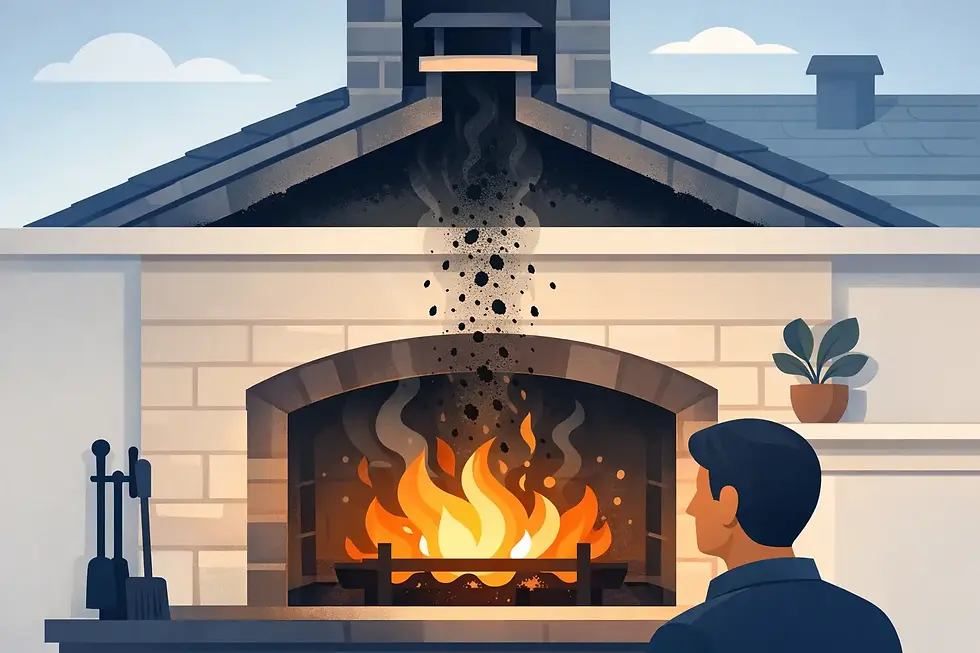
There is also the safety side. Creosote is highly flammable. If enough of it builds up, the heat from normal use can ignite it. Chimney fires can start fast and sound dramatic, but not all are obvious. Some begin and burn within the flue, causing damage that may not be visible until later.
Stove flue cleaning guide - what builds up inside?
What collects in a flue depends on the stove, the fuel and how it is used. Dry wood tends to burn cleaner than damp logs, but even then you will still get soot and fine deposits. Smokeless fuel creates its own residue. If wood is too wet, or the stove is shut down too much, darker sticky tar can form more quickly.
This is where there is a bit of nuance. Two households with similar stoves can have very different flue conditions after the same length of time. One may burn a small hot fire with properly seasoned hardwood. Another may use mixed fuel, damp logs or overnight slumbering. The second flue will usually need more frequent attention.
That is why a calendar reminder helps, but a one-size-fits-all rule does not always tell the full story.
Signs your stove flue may need cleaning
Sometimes the signs are obvious. Sometimes they are easy to miss because they come on gradually. If your stove is harder to light than usual, the fire is slow to establish, or smoke enters the room when opening the door, those are common clues.
You may also notice a stronger smoky smell around the stove, especially when it is not in use, or black deposits appearing around the appliance. A poor draw, lazy flames and unusually fast soot build-up on the stove glass can all point towards flue issues.
Outside, if you see very dark smoke for long periods during normal operation, your fire may be burning inefficiently. That does not always mean the flue is blocked, but it often suggests the appliance and flue system need checking.
If you have not had the flue swept for a year or more, that alone is reason enough to book it in, even if everything seems fine.
How often should a stove flue be swept?
For most households burning wood regularly, at least once a year is the minimum sensible standard. If the stove is used heavily through autumn and winter, twice yearly may be more appropriate. Households using smokeless fuels may also need more frequent sweeping depending on usage.
It really does depend on how often the stove is lit, the quality of the fuel and the way the appliance is run. Rural homes and older properties sometimes present extra challenges too, particularly where chimneys are tall, exposed or have a long history of mixed use.
A professional sweep can usually advise on the right interval after seeing the condition of the flue. That guidance is often more useful than relying on general rules alone.
Can you clean a stove flue yourself?
Some homeowners do carry out light maintenance themselves, such as emptying ash, checking rope seals and keeping the stove glass clean. Flue cleaning is different. It is not simply a matter of pushing a brush up the chimney and hoping for the best.
A proper sweep involves using the right size and type of brush, understanding the route and condition of the flue, and making sure deposits are fully removed rather than just dislodged. If there is a liner, using the wrong equipment can cause damage. If there is a blockage, force is not the answer.
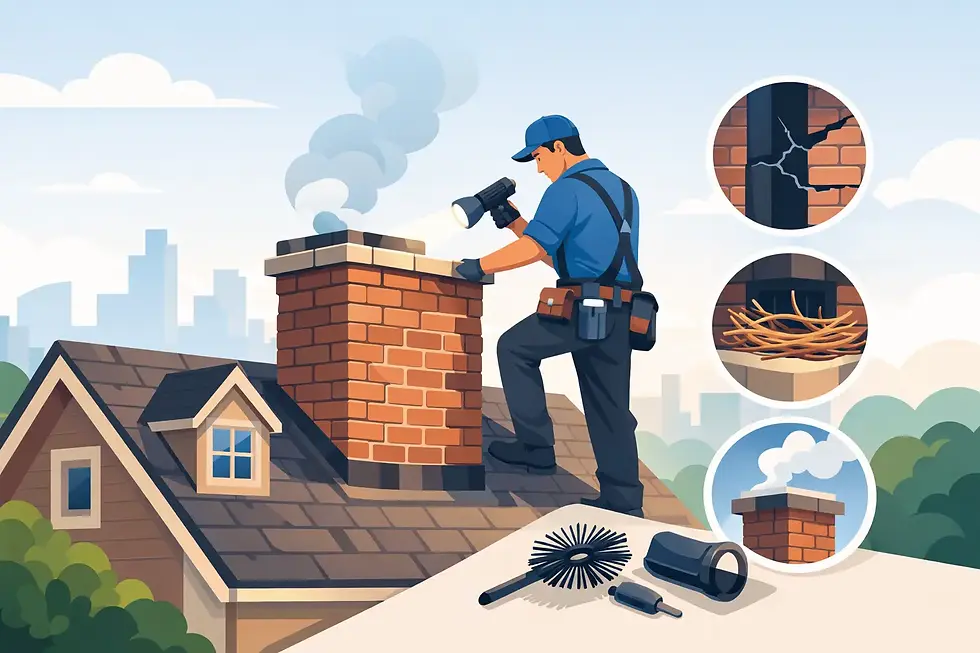
There is also the question of what you cannot see. Nesting material, broken masonry, terminal faults or liner defects are not always obvious from below. That is where experience matters. In some cases, CCTV inspection is the safest way to understand what is happening inside the chimney.
For a householder, the biggest risk is assuming the flue is clean when it is only partly cleared, or missing a developing fault that needs attention. A do-it-yourself approach may seem cheaper at first, but it can be a false economy.
What to expect from a professional sweep
A good professional service should feel straightforward and respectful from start to finish. Your home should be protected properly before any sweeping starts, with clean sheets, suitable equipment and a method that keeps mess to a minimum.
The sweep itself may be carried out using traditional brush and vacuum methods or power sweeping, depending on the appliance and flue system. Both have their place. What matters most is using the right method for the installation rather than forcing one approach onto every job.
If there are concerns about performance or condition, further checks may be recommended. That could include a visual assessment of the appliance, advice on fuel use, or a CCTV survey if there is reason to suspect a hidden problem. The aim is not just to clean the flue, but to leave you with confidence that the system is working safely.
Getting the best from your stove between sweeps
A clean flue lasts longer when the stove is used well. Burn properly seasoned wood with a low moisture content, avoid treated or painted timber, and try not to let the fire smoulder for long periods. Small hot fires generally produce fewer deposits than low, starved ones.
Good airflow matters too. Shutting the appliance down too aggressively often creates more smoke and tar, not less. If you are unsure how your particular stove should be run, it is worth checking the manufacturer guidance and asking your sweep for practical advice in plain English.
It also helps to pay attention to small changes. If the stove sounds different, smells different or performs differently, trust your instincts. Problems caught early are usually easier and cheaper to deal with.
When to call sooner rather than later
Do not wait for your usual annual appointment if you suspect a blockage, a birds' nest, a chimney fire or smoke leakage into the room. The same applies if you notice bits of soot or debris falling into the stove, or if the appliance suddenly starts behaving very differently.
If you have just moved into a property with a stove and do not know its history, booking a sweep and safety check before regular use is a sensible first step. It gives you a clear starting point and can highlight any maintenance issues left behind by the previous owner.
For homeowners across Somerset, Dorset and Devon, that peace of mind is often the main reason for arranging a proper professional sweep. It is not about making a fuss over routine maintenance. It is about keeping your home safe, your stove working as it should and your household comfortable through the colder months.
A well-kept stove should feel reassuring, not unpredictable. If your flue is due for attention, getting it checked now is one of those small jobs that makes the whole house feel better looked after.
Comments